
Keeping water drinkable in freezing conditions is essential for cattle health and farm productivity. This guide compares reliable trough and tank heaters suited for farms, ranches, and smallholders. Below is a quick summary of the five selected products for easy scanning.
| Product | Type | Key Feature |
|---|---|---|
| K&H Ultimate Stock Tank Deicer (750W) | Floating/Submersible Deicer | Thermostatic, Full Cage, 2-Year Warranty |
| Ritchie Omni Fount 2 | Automatic Heated Waterer | Large Access Panel, Made In USA |
| Ritchie Omni Fount 1 | Automatic Heated Waterer | Compact, For Small Herds, Made In USA |
| API Heated Flat Back Bucket (20 Quart) | Heated Bucket | Thermostatic With Overheat Protection |
| FHTONGE 500W Aluminum Trough Heater | Cast Immersion Heater | Thermostatic, Heavy-Duty Aluminum, Energy-Saving |
Content Navigation
K&H Ultimate Stock Tank Deicer 750W
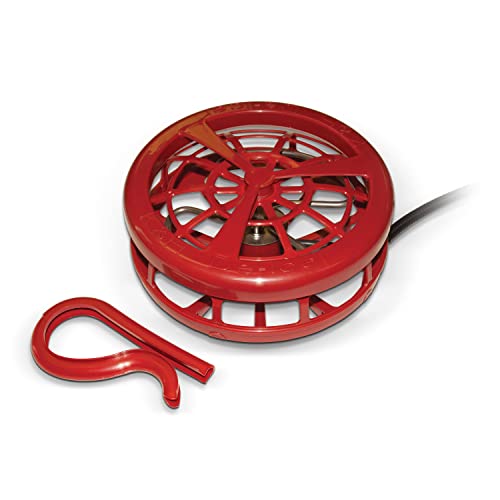
The K&H Ultimate Stock Tank Deicer is a purpose-built floating or submersible unit designed to prevent freezing in large tanks. It includes a full protective cage and a cord clip for secure installation in most stock tanks.
- Thermostatically Controlled: Automatically cycles on/off to maintain open water and reduce runtime.
- Versatile Installation: Designed to be used floating or fully submerged, appropriate for metal, plastic, or rubber tanks.
- Safety And Warranty: Includes a full cage for animal protection and comes with a two-year K&H warranty.
This unit is suitable for larger troughs where a floating or submerged heater is preferred. The thermostatic control reduces energy use compared with continuous-run elements, and the protective cage reduces the risk of livestock contact.
Ritchie Omni Fount 2 Heated Waterer

The Ritchie Omni Fount 2 is an automatic heated waterer engineered for freezeless operation and designed for easy maintenance. It’s manufactured in the USA and intended for continuous farm use.
Call 888-896-7031 for Free Local HVAC Quotes – Compare and Save Today!
- Built For Serviceability: Large access panel simplifies maintenance of heating components and waterline.
- Durable Construction: Commercial-grade materials for long-term outdoor use and heavy animal traffic.
- Application: Suitable for group water systems where continuous supply and freeze prevention are required.
As an integrated heated waterer, the Omni Fount 2 removes the need for separate immersion heaters. It’s optimized for herd settings where a reliable, low-maintenance supply of warm water matters most.
Ritchie Omni Fount 1 Heated Waterer
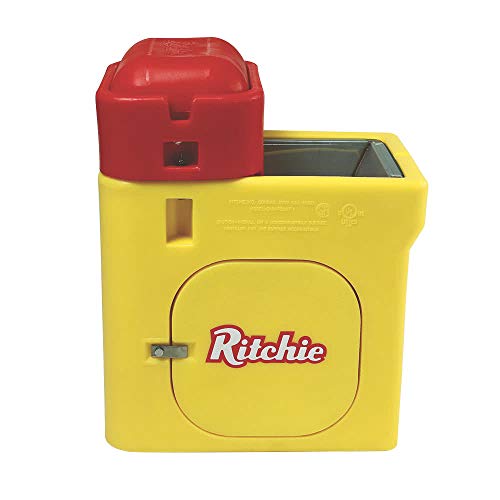
The Ritchie Omni Fount 1 is a compact automatic heated waterer intended for smaller herds or individual paddock applications. It shares the same manufacturing quality as larger Ritchie units.
- Small Herd Capacity: Designed for systems managing roughly one to twenty animals depending on usage.
- Easy Maintenance: Simple design that is easy to clean and service in-field.
- Made In The USA: Emphasizes domestic manufacturing and parts availability.
This model is valuable when a compact, integrated solution is preferred over installing a separate immersion unit. It balances water capacity with freeze prevention for small to medium operations.
API Heated Flat Back Bucket 20 Quart

The API Heated Flat Back Bucket is a portable, thermostatically controlled heated bucket designed for livestock use. Its flat back profile makes it convenient to mount against walls or stalls for easy access.
Call 888-896-7031 for Free Local HVAC Quotes – Compare and Save Today!
- Thermostatic Control And Safety: Built-in over-temperature protection prevents overheating.
- Durable Construction: High-density polyethylene resists impact and warpage.
- Capacity: Holds and heats up to 20 quarts, useful for targeted watering or temporary setups.
This bucket is a practical option for smaller feeding areas, temporary pens, or as a supplement to primary troughs. Its portability allows owners to move heated water to where animals congregate during extreme cold.
FHTONGE 500W Aluminum Immersion Heater

The FHTONGE 500W immersion heater features a cast aluminum housing and thermostatic control intended to keep large-capacity troughs free of ice. It emphasizes robustness and energy-efficient operation.
- Thermostatic Energy-Saving Mode: Turns on below a set temperature and off at a higher threshold to prevent continuous heating.
- Heavy-Duty Build: Cast aluminum body resists corrosion and reduces floatation, keeping the unit submerged.
- Wide Application: Rated for large troughs and adaptable to other outdoor water containers.
This device is aimed at users who need a rugged, always-submerged solution for large volumes of water. The heavy construction deters animal tampering and supports long-term outdoor exposure.
Buying Guide: Choosing The Right Cattle Trough Heater
Selecting the appropriate trough heater depends on several site- and herd-specific factors. The sections below outline key considerations and comparison perspectives to guide purchase decisions.
Heater Type And Installation
Floating/Submersible Deicers: Simple to install in existing tanks. Offer direct ice prevention and are often thermostatic. Best for retrofits and multiple tank setups.
Integrated Heated Waterers: Provide a freezeless supply with a built-in heater and bowl. Ideal for fixed installations and higher animal traffic areas. Require more initial setup but reduce the need for separate components.
Heated Buckets: Portable and flexible for temporary use or small groups. Good for targeted watering and stall use but not for large herds.
Cast Immersion Elements: Heavy-duty and designed for large volumes. Often more robust and suited for permanent troughs where animal interference is a concern.
Capacity And Wattage
Match Wattage To Trough Volume: Larger water volumes require higher wattage or multiple units. Underpowered heaters may not prevent ice in extreme cold.
Thermostatic Control Lowers Energy Use: Units that cycle on/off based on temperature will use less electricity than continuous-run elements.
Durability And Animal Safety
Protective Cages and Heavy Bodies: Choose caged or cast models where animals can access the heater. Cages prevent direct contact and chewing.
Material Considerations: Aluminum and stainless components resist corrosion. High-density polyethylene buckets provide impact resistance and reduce crack risks.
Maintenance And Serviceability
Ease Of Cleaning: Integrated units with access panels simplify descaling and component checks. Removable cages and simple wiring improve serviceability.
Parts And Warranty: Products with domestic manufacturing or established brand support often have better replacement part availability and warranty service.
Power Source And Location
Electrical Access: Ensure adequate outdoor-rated outlets and GFCI protection. Long cable runs may require heavy-gauge extension cords; follow manufacturer guidance.
Weatherproofing: Installations should protect electrical connections from snow and ice. Use weatherproof boxes or install under shelters when possible.
Energy Efficiency And Operating Costs
Thermostatic Versus Continuous Operation: Thermostatic heaters reduce runtime and lower operating costs, especially in moderate cold. Continuous heaters provide constant heat but can increase energy use.
Insulation And Placement: Placing the trough in a sheltered location and using insulated covers where practical reduces heating demand.
Herd Size And Watering Behavior
High-Traffic Sites: For many animals feeding simultaneously, choose larger integrated waterers or multiple deicers to maintain supply.
Small Herds Or Individual Pens: Heated buckets or compact units may be sufficient and more cost-effective.
Safety Features To Verify
- Overtemperature Protection: Prevents overheating of water and reduces risk of equipment failure.
- Protective Caging: Prevents direct animal contact with heating elements.
- Ground-Fault Circuit Interrupter (GFCI): Required for outdoor electrical safety — ensure outlet protection.
Comparison Perspectives
Retrofit Versus New Installation: Floating/submersible deicers like the K&H or cast immersion units are ideal retrofits. Integrated waterers like the Ritchie Omni Fount series are better for new installations designed around a centralized water source.
Portability Versus Permanence: Heated buckets offer portability for temporary needs; cast or integrated units are best for permanent installations where stability and tamper resistance are required.
Initial Cost Versus Long-Term Operating Cost: Higher upfront cost for integrated units may be offset by reduced maintenance and longer lifespan. Thermostatic control reduces ongoing electricity costs.
Installation Tips
- Mount units securely and use cord clips or anchors to prevent animal displacement.
- Place under partial shelter when possible to reduce exposure to wind and blowing snow.
- Verify local electrical codes and use GFCI-protected outdoor outlets for safety.
- Follow manufacturer instructions for minimum water depth and safe clearance from tank edges.
When To Consider Professional Help
Consult an electrician for permanent installations requiring new circuits or outlet installations. For large-scale automated watering systems, consider a livestock water systems professional to size equipment correctly and ensure reliable winter performance.
Tips for Getting the Best HVAC Prices
- Prioritize Quality Over Cost
The most critical factor in any HVAC project is the quality of the installation. Don’t compromise on contractor expertise just to save money. - Check for Rebates
Always research current rebates and incentives — they can significantly reduce your overall cost. - Compare Multiple Quotes
Request at least three estimates before making your choice. You can click here to get three free quotes from local professionals. These quotes include available rebates and tax credits and automatically exclude unqualified contractors. - Negotiate Smartly
Once you've chosen a contractor, use the proven strategies from our guide — How Homeowners Can Negotiate with HVAC Dealers — to get the best possible final price.