
Choosing the right space heater fuel affects safety, efficiency, installation, and running costs. Below is a quick comparison of five heaters that represent common fuel options—portable propane, ventless blue flame (natural gas & propane), and radiant propane. Use the table to scan features at a glance and read detailed, objective summaries below.
| Product | Fuel Type | BTU / Coverage | Key Safety / Control |
|---|---|---|---|
| Mr. Heater Portable Buddy MH9BX | Propane (Portable) | 4,000–9,000 BTU / ~225 sq. ft. | Tip-over switch, Piezo igniter |
| ProCom BF10M-B Blue Flame | Dual Fuel (Natural Gas / Propane) | 10,000 BTU / ~300 sq. ft. | Manual control, wall or floor mount |
| Mr. Heater 20,000 BTU Vent Free Radiant | Dual Fuel (LP/NG) | 20,000 BTU | Low oxygen detection, thermostat |
| Mr. Heater MHVFBF30NGT 30,000 BTU | Natural Gas (Blue Flame) | 30,000 BTU / up to 1,000 sq. ft. | Thermostat control, electric ignition |
| ProCom Ventless 25,000 BTU Fireplace | Dual Fuel (Propane / Natural Gas) | 25,000 BTU / up to 1,100 sq. ft. | Thermostat, realistic logs, ventless design |
Content Navigation
Mr. Heater Portable Buddy MH9BX
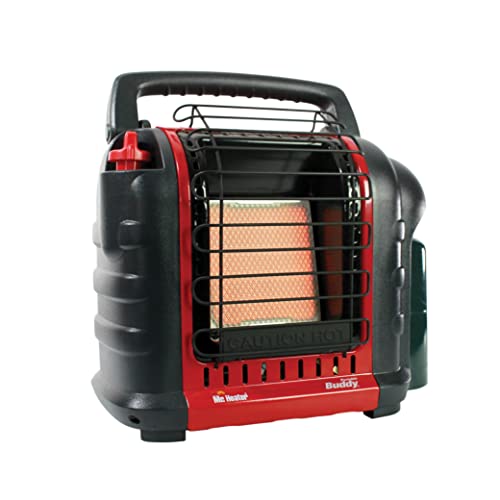
This compact unit demonstrates the propane portable fuel category. It uses advanced infrared radiant heat to warm objects and people directly rather than heating all the air in a room.
Features listed include adjustable BTU from 4,000 to 9,000 and suitability for spaces up to ~225 sq. ft. Safety additions include an improved tip-over safety switch that audibly engages if the unit is tipped or jarred. Ignition is via a durable Piezo igniter, which creates a spark without batteries or matches.
From a fuel perspective, portable propane offers high BTU-per-pound and mobility, but it requires safe storage and regular cylinder changes. The heater’s radiant delivery makes it efficient for localized heating.
ProCom BF10M-B Ventless Blue Flame

Call 888-896-7031 for Free Local HVAC Quotes – Compare and Save Today!
The ProCom BF10M-B represents small ventless blue flame heaters that accept natural gas or liquid propane. Its blue flame design emphasizes convection heating—warming room air evenly.
Product features include 10,000 BTU capacity with manual Low-Med-High control and the option to mount on a wall or use included base feet. Dual-fuel capability provides installation flexibility where either gas line or propane supply is available.
Ventless blue flame units often deliver efficient whole-room heat but require attention to indoor air quality and adherence to manufacturer ODS (oxygen depletion system) guidance. Manual controls make them straightforward for set-and-forget operation in properly ventilated spaces.
Mr. Heater 20,000 BTU Vent Free Radiant

This mid-size wall/space unit illustrates a vent-free radiantdual-fuel capability (LP and natural gas). Radiant models heat surfaces and occupants directly while providing a sense of warmth quickly.
Key features listed are dual LP/NG low oxygen detection systems, thermostatic control for consistent temperature, and a battery-operated electronic spark ignition. The inclusion of low-oxygen detection is central to ventless appliance safety, automatically shutting down combustion if indoor oxygen drops.
Call 888-896-7031 for Free Local HVAC Quotes – Compare and Save Today!
From a fuel perspective, dual-fuel vent-free units enable switching between available gas supplies. Radiant vent-free heaters can be efficient but require compliance with local codes and proper room sizing due to combustion-byproducts.
Mr. Heater MHVFBF30NGT 30,000 BTU
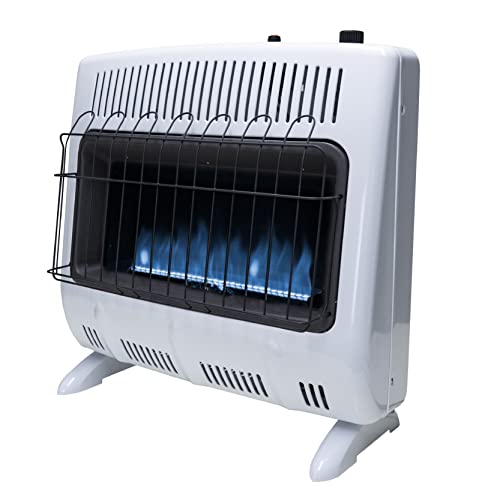
This model highlights a higher-capacity natural gas blue flame wall heater designed for larger spaces up to ~1,000 sq. ft. It focuses on continuous convective heating and fuel efficiency.
Features include up to 30,000 BTU, a precise thermostat for temperature control, and an electric ignition with an included battery. The blue flame burner is noted for efficient combustion and consistent convection heat delivery, consuming low MCF per hour according to the spec sheet.
Natural gas fuel is often more convenient for homes with existing service and provides steady long-term running convenience. Installation requires proper gas hookups and compliance with ventless appliance recommendations and altitudinal performance notes.
ProCom Ventless 25,000 BTU Fireplace
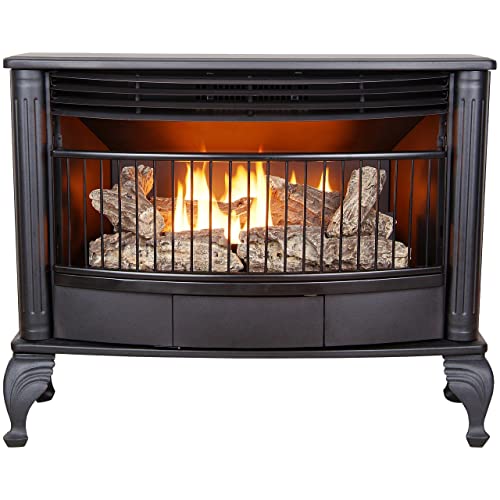
This free-standing ventless fireplace showcases a higher-output dual-fuel system for living areas. It emphasizes aesthetic detail along with heating capability.
Listed features include 25,000 BTU heating capacity for up to ~1,100 sq. ft., hand-painted logs and refractory ceramics for durability, and thermostat-operated control with variable heat settings. The ventless design delivers room heat without a chimney or venting infrastructure.
As with other ventless units, the fuel choice (propane vs natural gas) impacts installation options and supply logistics. Ventless fireplaces can add decorative appeal, but indoor combustion product management and local regulations should be considered.
Buying Guide: Choosing The Right Space Heater Fuel
Selecting the best fuel for a space heater depends on availability, application, efficiency, safety, and codes. Below are the main considerations and comparison perspectives.
Fuel Types And Typical Uses
- Propane (LP) — Portable, high-BTU density, useful for garages, cabins, and areas without gas lines. Requires cylinder storage and periodic replacement or refill.
- Natural Gas (NG) — Convenient for homes with supply lines; steady service and typically lower operating hassle. Requires professional gas hookup for fixed heaters.
- Dual-Fuel — Offers flexibility to use either propane or natural gas, useful where fuel availability may change or for resale value.
- Electric (not covered by products here) — Clean indoors (no combustion byproducts) and easy installation, best for smaller rooms or supplemental heat where electricity cost is acceptable.
Heat Delivery Methods
- Radiant — Heats objects and people directly. Efficient for spot heating and outdoor/garage use. Examples: portable propane radiant heaters.
- Convection / Blue Flame — Heats air for whole-room comfort. Blue flame burners are common in ventless gas heaters and provide even room warming.
- Ventless Fireplace — Decorative plus heating; disperses heat without a chimney, but requires attention to indoor air quality and local restrictions.
Safety Features To Prioritize
- Oxygen Depletion Sensors (ODS) — Critical on vent-free gas appliances to automatically shut down if oxygen levels drop.
- Tip-Over Switch — Important on portable units to cut fuel if the heater falls.
- Low-Temperature / Overheat Cutoff — Prevents continuous unsafe operation.
- Proper Ignition Systems — Piezo and electronic ignitions avoid the need for open flames or matches.
Efficiency, Coverage, And BTU Sizing
Match BTU output to room size. As a rough guide, 10,000 BTU typically suits ~250–300 sq. ft. and 25,000–30,000 BTU units serve larger rooms up to ~1,000+ sq. ft. Consider insulation, ceiling height, and climate when sizing. Radiant heaters may require less BTU for perceived warmth because they heat occupants directly.
Installation And Local Codes
- Ventless gas appliances may be restricted or limited by local building codes or home association rules—check before purchase.
- Natural gas fixtures generally require a licensed installer and utility coordination.
- Propane portable units need proper cylinder storage and compliance with local fire codes.
Operational Costs And Fuel Logistics
Compare running costs based on fuel prices in your area. Natural gas often provides lower long-term fuel cost if piped service exists. Propane offers portability but requires refills and potentially higher per-unit energy costs. Dual-fuel heaters allow switching to the most economical option available.
Tips for Getting the Best HVAC Prices
- Prioritize Quality Over Cost
The most critical factor in any HVAC project is the quality of the installation. Don’t compromise on contractor expertise just to save money. - Check for Rebates
Always research current rebates and incentives — they can significantly reduce your overall cost. - Compare Multiple Quotes
Request at least three estimates before making your choice. You can click here to get three free quotes from local professionals. These quotes include available rebates and tax credits and automatically exclude unqualified contractors. - Negotiate Smartly
Once you've chosen a contractor, use the proven strategies from our guide — How Homeowners Can Negotiate with HVAC Dealers — to get the best possible final price.
Maintenance And Longevity
- Combustion appliances require periodic inspection for leaks, burner cleanliness, and proper ignition operation.
- Vent-free units need monitoring for soot, odors, or condensation—signs that ventilation or sizing may be inadequate.
- Follow manufacturer maintenance intervals for safe, efficient operation.
Comparison Perspectives
- Safety vs Convenience: Portable propane is convenient but demands safe cylinder handling; fixed natural gas is convenient long term but less portable.
- Upfront vs Running Cost: Electric heaters can be cheaper up front; gas heaters may offer lower running costs for larger spaces.
- Local Regulation: Some areas restrict vent-free gas use indoors. Verify local codes before selecting ventless appliances.