
Finding The Right Tent Heater means balancing heat output, safety features, portability, and fuel type. Below is a quick comparison of five widely used portable heaters for camping tents, selected for relevance to enclosed or near-enclosed outdoor sleeping setups.
| Product | Type / Fuel | Key Feature |
|---|---|---|
| Mr. Heater Portable Buddy MH9BX | Propane Radiant | 4,000–9,000 BTU, Infrared Heating |
| Mr. Heater MH4B Little Buddy | Propane Radiant | 3,800 BTU, ODS & Tip-Over Protection |
| Mosoyolo Portable Propane Heater 6500 BTU | Propane Radiant | 6,500 BTU, Electric Igniter |
| HEATHIVE Portable Propane Heater | Propane Radiant | Self-Ignition, Foldable Tank Holder |
| ALOCS 3-In-1 Portable Heater And Stove | Butane/Propane Canister | 5,200 BTU, Dual Stove/Heater Function |
Content Navigation
Mr. Heater Portable Buddy MH9BX
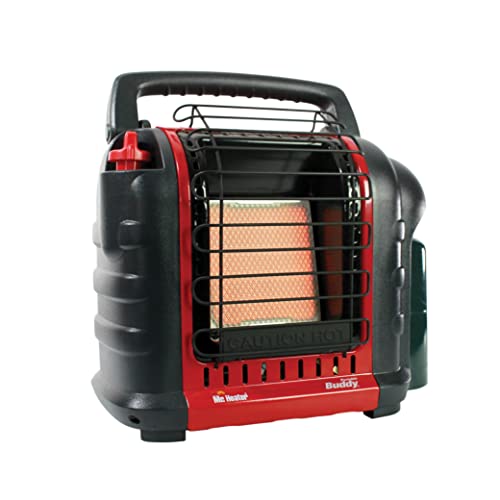
This propane radiant heater uses infrared heating to warm people and objects directly rather than heating all the air, providing 4,000–9,000 BTU adjustable output and coverage for up to 225 sq. ft. The unit includes a durable Piezo igniter for matchless start-up and an improved tip-over safety switch that audibly engages if moved or tipped. As a radiant unit it produces quick, sun-like warmth ideal for semi-enclosed camp shelters, patios, or workshops. It requires a compatible propane cylinder and should be used following manufacturer safety guidance for enclosed spaces and ventilation.
Mr. Heater MH4B Little Buddy
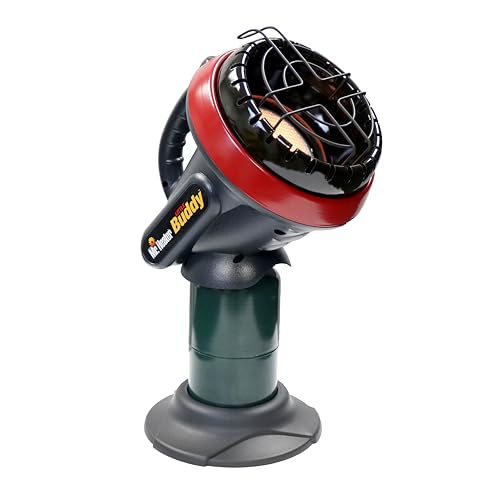
The MH4B Little Buddy is a compact propane radiant heater delivering 3,800 BTU and designed for small enclosures up to about 95 sq. ft. It features an automatic low oxygen shut-off system (ODS), tip-over protection, and a simple on/off operation. Runtime at maximum BTU on a 1 lb cylinder is approximately 5.6 hours. The unit’s focused 45° heating angle and cordless design make it a common choice for small tents or sleeping setups where portability and safety cutoffs are priorities. Follow ODS guidance and ventilation recommendations when used in enclosed spaces.
Mosoyolo Portable Propane Heater 6500 BTU

Call 888-896-7031 for Free Local HVAC Quotes – Compare and Save Today!
This 6500 BTU propane heater is built for quick temperature increase in cold conditions. It includes a built-in electric igniter, folding legs for stability, and an aluminum reflector panel to direct heat. Safety features listed include tip-over automatic leak protection and a brass connector resistant to high-temperature corrosion. The design emphasizes portability with a compact footprint suitable for outdoor activities like ice fishing, hunting blinds, or tent margins. The product notes keeping the heater away from flammable materials and the need for proper ventilation when used near or inside tents.
HEATHIVE Portable Propane Heater

The HEATHIVE portable propane heater focuses on field-ready portability, featuring a lightweight design, durable carrying case, and one-push electric ignition. The unit claims reliable radiant heat for quick warmth during cold-weather outdoor activities and a foldable tank holder for compact transport. Listed features prioritize easy setup and minimal maintenance on a 1 lb propane tank. As with other portable propane devices, safe clearance, stable placement, and appropriate ventilation are essential when used in or near tented environments.
ALOCS 3 In 1 Portable Heater And Stove

The ALOCS unit functions as a multi-purpose canister stove and tent heater, offering around 5,200 BTU and an adjustable temperature control knob. At about 3 pounds, it provides ultra-portable utility with a removable storage rack suitable for cups or small cookware. The stepless adjustable knob allows users to fine-tune heat output, making it an option when both cooking and localized warmth are needed. Its combined functionality requires careful use in enclosed spaces and strict adherence to manufacturer guidance regarding fuel canisters and ventilation.
Buying Guide: Choosing A Tent Heater
Selecting the right tent heater requires evaluating heat output, fuel type, safety features, portability, and use case. Below are the most important considerations to compare models objectively.
Call 888-896-7031 for Free Local HVAC Quotes – Compare and Save Today!
Heat Output And Coverage
- BTU / Watt Rating: Propane radiant heaters list BTUs (e.g., 3,800 to 9,000 BTU). Higher BTU generally means more heat and larger coverage. Assess the tent size and insulation before choosing a capacity.
- Radiant Vs. Convection: Radiant heaters warm objects and people directly and can feel warmer even at lower ambient air temps. Convection heaters heat air and may be less efficient in leaky tents.
Fuel Type And Availability
- Propane / Butane Canisters: Common for camping due to high energy density and portability. Ensure you can source compatible cylinders and bring spares for long trips.
- Electric / Ceramic: Require AC power or inverter/portable battery—practical for car-camping or campsites with electricity, less so for backcountry trips.
- Immersion/Water Heaters: Not for tent air heating but useful for hot water. Distinguish between air-warming devices and water-heating kits when planning comfort needs.
Safety Features
- ODS (Oxygen Depletion Sensor): Automatically shuts off if oxygen levels drop—critical when using combustion heaters near or in tents.
- Tip-Over Shutoff: Prevents operation if the unit falls over, reducing fire risk.
- Ignition Type: Piezo or electric ignition avoids open matches; ensure it’s reliable in cold conditions.
- Clearances & Placement: Always maintain recommended clearances from flammable fabrics; use heater ports designed to direct heat away from tent walls.
Portability And Weight
- Size & Weight: For backpacking, prioritize compact lightweight designs. For car camping, larger higher-BTU units may be acceptable.
- Packability: Foldable legs, integrated handles, and protective cases make transport and storage easier.
Runtime And Fuel Efficiency
- Fuel Consumption: Compare runtime on a standard 1 lb canister for small propane units; some list hours at max BTU.
- Adjustable Output: Variable controls allow lower fuel use and longer runtime when full output isn’t needed.
Use Case And Environment
- Tent Size: Small two-person tents differ from large family tents; match BTU to interior volume and insulation properties.
- Altitude Effects: Some units may behave differently at high elevations; check manufacturer notes about operation above certain altitudes.
- Weather Exposure: Radiant heaters perform well in partially open shelters; strong winds reduce effectiveness.
Regulatory And Certification Notes
- Indoor Ratings: Confirm whether a propane heater is rated for indoor or enclosed use. Some models are listed as “indoor safe” with ODS and tip-over protections; follow local codes.
- Regional Approvals: Certain models may have region-specific approvals (e.g., Canada/Massachusetts). Check product documentation for applicable restrictions.
Maintenance And Durability
- Materials: Look for corrosion-resistant connectors and durable reflector panels if you plan frequent outdoor use.
- Serviceability: Consider availability of replacement parts like igniters, regulators, and seals.
Comparison Perspectives
- Backpacking: Prioritize minimal weight and compact footprint; low-BTU, ultra-light stove/heater hybrids may be suitable but require caution.
- Car Camping / Basecamp: Higher BTU propane radiant heaters are practical for larger tents or common areas; ensure ventilation and ODS features.
- Multi-Use Gear: Units that double as stoves or have integrated racks add versatility but may compromise maximum heating specialization.
When evaluating models, match the heater’s specifications to your tent size, fuel logistics, and safety tolerance. For enclosed areas, prioritize devices with ODS, tip-over protection, and clear manufacturer guidance for tent use. Proper ventilation, stable placement, and adherence to all safety instructions are essential with any combustion-based campsite heater.
Tips for Getting the Best HVAC Prices
- Prioritize Quality Over Cost
The most critical factor in any HVAC project is the quality of the installation. Don’t compromise on contractor expertise just to save money. - Check for Rebates
Always research current rebates and incentives — they can significantly reduce your overall cost. - Compare Multiple Quotes
Request at least three estimates before making your choice. You can click here to get three free quotes from local professionals. These quotes include available rebates and tax credits and automatically exclude unqualified contractors. - Negotiate Smartly
Once you've chosen a contractor, use the proven strategies from our guide — How Homeowners Can Negotiate with HVAC Dealers — to get the best possible final price.