
Choosing A High‑Output Propane Heater means matching capacity, ventilation, and fuel type to your space. The table below summarizes the featured heaters from this guide so you can compare output, intended use, and notable features at a glance.
| Product | BTU Range | Intended Use | Notable Feature |
|---|---|---|---|
| MH400FAVT 400,000 BTU Forced Air Propane Heater | 250,000–400,000 BTU | Large Workshops, Warehouses | Thermostat Controlled |
| Master Temp Gas Pool Heater, 250,000 BTU (Propane) | 250,000 BTU | Pools & Spas | Pre‑mixed Combustion |
| Mr. Heater Propane Unit Heater 80,000 BTU MHU80LP | 80,000 BTU | Garages, Small Shops | Spark Ignition |
| Mr. Heater Big Maxx MHU80NG (Natural Gas, 80,000 BTU) | 80,000 BTU | Garages, Workshops | Conversion Kit Included |
| ProCom ML250TPA‑B Infrared 25,000 BTU | 25,000 BTU | Home, Office | Wall Mount Or Floor |
Content Navigation
- MH400FAVT 400,000 BTU Forced Air Propane Heater – Thermostat Controlled
- Master Temp Gas Pool Heater, 250,000 BTU, Model (Propane)
- Mr. Heater Propane Unit Heater 80,000 BTU/Hr. MHU80LP
- Mr. Heater F260560 Big Maxx MHU80NG Natural Gas Unit Heater, 80,000 BTU
- ProCom ML250TPA‑B Ventless Propane Gas Infrared Space Heater With Thermostat
- Buying Guide: How To Choose A High‑Output Propane Heater
- 1. Confirm Required Heat Load
- 2. Fuel Type And Supply Infrastructure
- 3. Venting And Combustion Air
- 4. Installation And Clearances
- 5. Control Options And Safety Features
- 6. Intended Use And Duty Cycle
- 7. Efficiency And Combustion Technology
- 8. Noise, Airflow, And Distribution
- 9. Maintenance And Serviceability
- 10. Safety Codes And Permits
- Comparison Perspectives
MH400FAVT 400,000 BTU Forced Air Propane Heater – Thermostat Controlled
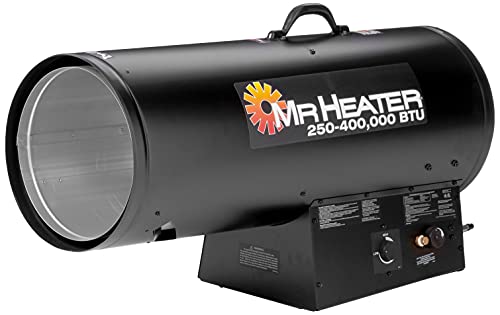
This forced‑air propane heater lists a performance band of 250,000 to 400,000 BTU, positioning it for very large, well‑ventilated spaces such as warehouses, large shops, or temporary outdoor enclosures. It is designed for high airflow and fast temperature recovery in large volumes.
Key features from the manufacturer include a wide BTU range suitable for rapid heating in industrial or agricultural settings. The unit typically requires robust mounting, proper clearance, and professional gas hookup. It is thermostat controlled to manage output and avoid continuous full‑power operation.
Considerations: ensure the installation site meets required clearances and combustion air provisions. This category of heater is intended for open or well‑ventilated spaces and may need a dedicated propane supply line, adequate ventilation, and routine maintenance for safe operation.
Master Temp Gas Pool Heater, 250,000 BTU, Model (Propane)

Call 888-896-7031 for Free Local HVAC Quotes – Compare and Save Today!
The Master Temp 250,000 BTU propane model is specifically engineered for pool and spa heating. Its design emphasizes continuous water heating, steady rise times, and efficient energy transfer to circulating water.
Manufacturer features include pre‑mixed gas combustion technology for consistent heating and a compact housing with a rotating digital display to simplify monitoring and control during installation and operation. The unit is tailored for hydronic load rather than space heating.
Considerations: pool heaters require correct plumbing integration, a compatible pump and flow rate, and adherence to outdoor installation codes. This heater is best for residential or commercial pool applications requiring high BTU capacity to maintain water temperature in larger volumes.
Mr. Heater Propane Unit Heater 80,000 BTU/Hr. MHU80LP

The Mr. Heater MHU80LP is an 80,000 BTU propane unit heater intended for garages, workshops, and moderate‑sized commercial spaces. It offers strong, directed heat and is commonly used where a central HVAC system is absent.
Notable features include a spark ignition and self‑diagnostic control module, which simplifies startup and improves reliability. The package includes angle brackets for ceiling mount installation. The heater is engineered for targeted warming of enclosed but ventilated areas.
Call 888-896-7031 for Free Local HVAC Quotes – Compare and Save Today!
Considerations: the MHU80LP requires proper mounting height and clearance from combustibles. It is a practical mid‑range option when 250k BTU is unnecessary; it can serve as a comparison point for required capacity relative to space size and insulation.
Mr. Heater F260560 Big Maxx MHU80NG Natural Gas Unit Heater, 80,000 BTU
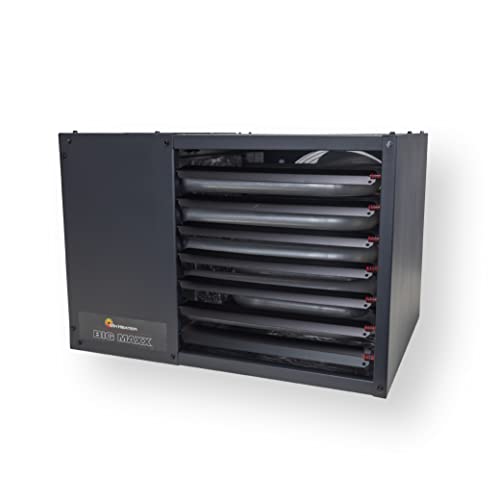
The Big Maxx MHU80NG is an 80,000 BTU natural gas unit heater noted for its heavy‑duty construction and lab‑tested performance in garages and workshops. The package often includes angle brackets and a liquid propane conversion kit for flexibility in fuel source.
Manufacturer features list coverage about 2,000 sq. ft. in some configurations, a durable housing, and compatibility with different venting arrangements. It operates on standard 120 V power for the blower and control functions.
Considerations: although listed as natural gas, the presence of a conversion kit can make this a versatile choice where propane or natural gas supply options exist. Compare fuel plumbing requirements, venting category, and minimum clearances when sizing to space needs.
ProCom ML250TPA‑B Ventless Propane Gas Infrared Space Heater With Thermostat

The ProCom ML250TPA‑B is a compact 25,000 BTU ventless infrared heater designed for residential rooms and small offices. Despite the model number, its output is far below 250,000 BTU and it is intended for localized indoor comfort rather than industrial heating.
Features include a built‑in thermostat with High/Medium/Low settings, wall‑mount and base feet installation options, and a slim modern profile. The infrared design warms objects and occupants rather than large volumes of air, making it efficient for smaller spaces.
Considerations: ventless units require compliance with local codes about indoor combustion and adequate oxygen depletion safeguards. They are useful for targeted warmth but are not a substitute for high‑capacity propane heaters needed for very large spaces.
Buying Guide: How To Choose A High‑Output Propane Heater
Choosing the right propane heater for a large space requires evaluating multiple technical and site‑specific factors. The following topics will help you compare models and plan installations.
1. Confirm Required Heat Load
Calculate the heat load of the space in BTU/hr using factors such as square footage, ceiling height, insulation levels, window area, and local design temperature. Larger or poorly insulated spaces need higher BTU output. For very large industrial spaces, consider units in the 250,000+ BTU range.
2. Fuel Type And Supply Infrastructure
Verify availability of propane vs. natural gas. High‑output heaters may require a dedicated propane line or large bulk tank. Ensure regulator, piping, and supply pressure meet the heater manufacturer’s specifications and local code.
3. Venting And Combustion Air
Determine whether the heater is vented, ventless, or a pool heater. Very high BTU forced‑air heaters typically need adequate combustion air and may be suitable only for ventilated or outdoor spaces. Pool heaters are designed for hydronic systems and not for space heating.
4. Installation And Clearances
Review manufacturer clearance requirements, mounting recommendations, and whether professional installation is required. Ceiling or wall‑mounted unit heaters and forced‑air units may need structural support or special brackets.
5. Control Options And Safety Features
Check for thermostat compatibility, spark ignition/self‑diagnostics, tip‑over protection, oxygen depletion sensors, and overheat shutoffs. For large heaters, a thermostat or modulating control reduces fuel consumption and maintains stable temperatures.
6. Intended Use And Duty Cycle
Match the product to its intended application: continuous pool heating, intermittent workspace heat, or temporary job‑site warming. Continuous heavy duty loads favor industrial forced‑air or specialized pool heaters.
7. Efficiency And Combustion Technology
Look for pre‑mixed combustion or high‑efficiency designs that reduce fuel use and emissions. For pool heaters, efficiency directly affects operating cost and recovery time.
8. Noise, Airflow, And Distribution
Forced‑air heaters use blowers which produce noise and deliver rapid air movement. Infrared and radiant systems are quieter but heat more locally. Consider ducting or directional louvers to distribute heat evenly.
9. Maintenance And Serviceability
High‑BTU units require periodic inspection of burners, heat exchangers, and controls. Verify local service availability and manufacturer support for parts and warranty service.
10. Safety Codes And Permits
Large propane installations may need permits, inspections, or compliance with NFPA and local codes. Engage a licensed installer for high‑capacity heaters to ensure code compliance and safe operation.
Comparison Perspectives
When comparing very high‑output heaters, consider these perspectives:
- Capacity vs. Space: 250,000 BTU is appropriate for very large volumes; smaller units (25k–80k BTU) suit living spaces, garages, and shops.
- Application Fit: Pool heaters transfer heat to water; forced‑air units move warm air into a space; infrared warms objects and people.
- Installation Complexity: High‑BTU forced‑air and pool heaters often need professional installation; smaller plug‑and‑play units may be user‑installable.
- Fuel Logistics: High‑output propane heaters require reliable bulk supply and correct regulators; conversion options can add flexibility where natural gas is available.
If your requirement centers on a true 250,000 BTU propane heater, focus on purpose‑built models like pool or industrial forced‑air heaters and confirm that your installation site, fuel supply, and ventilation meet manufacturer guidelines before purchase.
Tips for Getting the Best HVAC Prices
- Prioritize Quality Over Cost
The most critical factor in any HVAC project is the quality of the installation. Don’t compromise on contractor expertise just to save money. - Check for Rebates
Always research current rebates and incentives — they can significantly reduce your overall cost. - Compare Multiple Quotes
Request at least three estimates before making your choice. You can click here to get three free quotes from local professionals. These quotes include available rebates and tax credits and automatically exclude unqualified contractors. - Negotiate Smartly
Once you've chosen a contractor, use the proven strategies from our guide — How Homeowners Can Negotiate with HVAC Dealers — to get the best possible final price.