
Quick Overview: This guide reviews five white kerosene heaters suitable for indoor and outdoor use, ranging from compact 10,000 BTU models for rooms to heavy-duty forced-air torpedo heaters for construction. Below is a comparison table summarizing key specs to help you choose the right heater for your space.
| Product | BTU | Fuel Capacity / Runtime | Primary Use |
|---|---|---|---|
| Sengoku Indoor & Outdoor Kerosene Heater (KeroHeat) | 23,500 BTU | 1.9 gal / Up To 12 Hours | Home, Garage, Camping |
| Sengoku HeatMate Portable Kerosene Heater | 23,500 BTU | 1.9 gal / Up To 12 Hours | Indoor & Outdoor Emergency Heat |
| Sengoku KeroHeat 10,000 BTU Portable Heater | 10,000 BTU | 1.2 gal / Up To 14 Hours | Small Rooms, Basements |
| L.B. White Tradesman K125 Torpedo Heater | 125,000 BTU | Multi-fuel / Forced-air | Construction, Workshop |
| L.B. White Tradesman K75 Torpedo Heater | 75,000 BTU | Multi-fuel / Forced-air | Smaller Job Sites, Garages |
Content Navigation
Sengoku Indoor & Outdoor Kerosene Heater

Overview: This white, cordless kerosene heater offers 23,500 BTU output and is rated to heat up to 900 square feet. The 1.9-gallon tank supports extended runtimes, making it useful during outages or for supplemental heat in large rooms and garages.
Key Features: Portable design, 1.9-gallon reservoir for up to 12 hours per fill, includes siphon pump and 2 D batteries, and a push-to-start ignition with automatic safety fuel shut-off.
Best For: Homeowners seeking a cordless, transportable heater for emergencies, workshops, or camping setups where electric power may be unavailable. Safety features like automatic shut-off increase indoor usability.
Sengoku HeatMate Portable Kerosene Heater
Call 888-896-7031 for Free Local HVAC Quotes – Compare and Save Today!
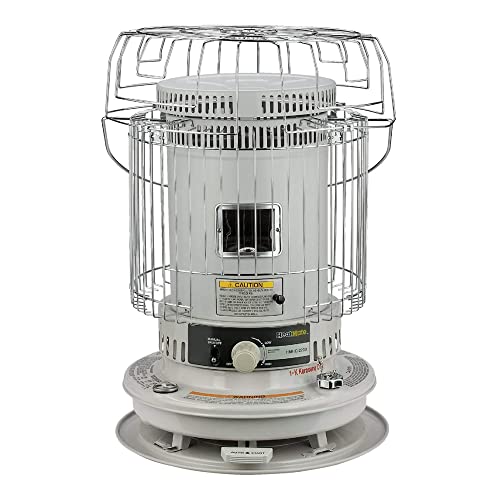
Overview: The HeatMate HMC-23K delivers 23,500 BTU and is specified to heat up to 1,000 square feet. It uses a 1.9-gallon tank for multi-hour operation, aimed at both indoor and outdoor emergency heating.
Key Features: Up to 12 hours runtime on a single fill, automatic shut-off, tip-over switch, and safety guard grills. Designed for easy transport and temporary heat needs.
Best For: Users who prioritize safety features and need a versatile heater for poorly insulated areas, garages, or temporary on-site heating without direct electrical dependence.
Sengoku Indoor & Outdoor 10,000 BTU Heater

Overview: A smaller white kerosene heater offering 10,000 BTU, intended for spaces up to 400 square feet. The 1.2-gallon fuel tank supports long runtime, making it efficient for bedrooms, small basements, or emergency use.
Key Features: Up to 14 hours runtime per fill, tip-over switch, automatic shut-off, and protective guard to reduce contact risk. Cordless ignition simplifies power-outage operation.
Call 888-896-7031 for Free Local HVAC Quotes – Compare and Save Today!
Best For: Those needing targeted supplemental heat in smaller rooms or long runtimes without frequent refilling. The lower BTU output reduces fuel use while maintaining steady warmth.
L.B. White Tradesman K125 Portable Heater
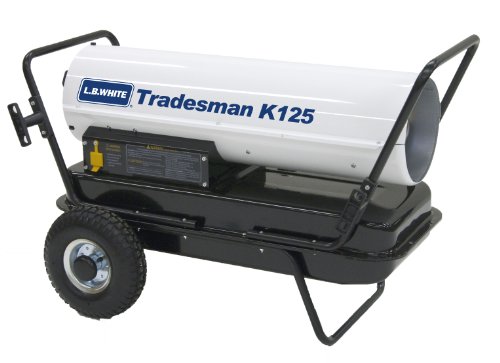
Overview: The Tradesman K125 is a heavy-duty forced-air torpedo heater rated at 125,000 BTUH. It accepts kerosene, No. 1 diesel, and No. 1 fuel oil, making it suitable for construction, large workshops, and outdoor job sites.
Key Features: Multi-fuel compatibility, dual-prong electronic spark ignition, heavy-duty enclosed motor, and durable brass fuel fittings. Designed for continuous directional heat in demanding environments.
Best For: Professional laborers and shop owners who need a robust, reliable heat source for large areas. The K125 emphasizes durability and consistent performance under heavy use.
L.B. White Tradesman K75 Portable Heater
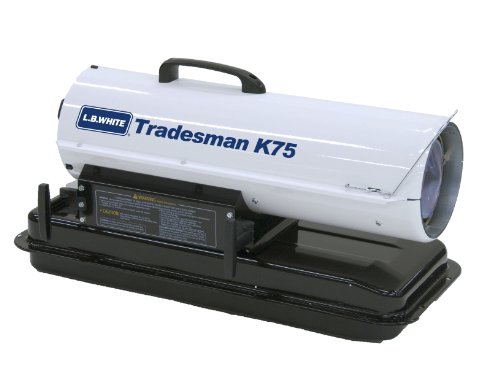
Overview: The Tradesman K75 provides 75,000 BTUH of forced-air heat with multi-fuel capability, aimed at mid-size job sites, garages, and workshops where more power than small portable units is required.
Key Features: Supports kerosene, No. 1 diesel, No. 1 fuel oil; dual-prong electronic ignition; heavy-duty motor and brass fittings for increased longevity. Built for rugged use and quick reliable startups.
Best For: Users needing a balance between portability and high output for medium-sized spaces that require fast, directional heat without complex installation.
Buying Guide: How To Choose A White Kerosene Heater
Determine Intended Use: Choose small BTU models (around 10k–25k) for living spaces, garages, or emergency home use. Select forced-air torpedo heaters (75k–125k+) for construction, large workshops, or outdoor job sites.
Fuel Type And Capacity: Check whether the heater is single-fuel (kerosene) or multi-fuel. Multi-fuel units offer flexibility during supply constraints. Consider tank size and runtime to reduce refilling frequency.
Safety Features: Look for automatic shut-off, tip-over switches, protective grills, and reliable ignition systems. These features are essential for indoor use or around pets and children.
Portability And Size: Consider weight, handles, and whether the unit is cordless or requires power for ignition/fan. Cordless push-to-start models are advantageous during power outages.
Ignition And Reliability: Electronic spark or push-to-start ignitions provide consistent startups. For job-site equipment, heavy-duty motors and brass fittings increase long-term reliability.
Heating Coverage And BTU Rating: Match BTU output to room size—rough guideline: 10,000 BTU for ~400 sq ft, 23,000 BTU for ~900–1,000 sq ft, and higher BTU models for large or poorly insulated spaces.
Ventilation And Indoor Use: Ensure adequate ventilation for combustion byproducts when operating inside. Follow manufacturer guidance on indoor suitability and maintain carbon monoxide detectors in enclosed spaces.
Maintenance And Parts Availability: Verify ease of cleaning, availability of replacement parts (filters, fittings), and whether the unit requires special servicing. Durable materials like brass fittings reduce maintenance needs.
Noise And Fan Operation: Forced-air torpedo heaters typically have louder fans compared to radiant wick-type units. Consider noise tolerance for living or workspace environments.
Comparison Perspectives: Evaluate energy efficiency (runtime per gallon), portability (cordless vs. powered), safety (automatic shut-off, tip-over), and durability (materials and intended environment). Balance short-term convenience against long-term reliability based on use case.
Tips for Getting the Best HVAC Prices
- Prioritize Quality Over Cost
The most critical factor in any HVAC project is the quality of the installation. Don’t compromise on contractor expertise just to save money. - Check for Rebates
Always research current rebates and incentives — they can significantly reduce your overall cost. - Compare Multiple Quotes
Request at least three estimates before making your choice. You can click here to get three free quotes from local professionals. These quotes include available rebates and tax credits and automatically exclude unqualified contractors. - Negotiate Smartly
Once you've chosen a contractor, use the proven strategies from our guide — How Homeowners Can Negotiate with HVAC Dealers — to get the best possible final price.