
Looking For Efficient Propane Heat? This guide compares five propane-capable heaters that prioritize efficiency, coverage, and safety for indoor, garage, patio, and job-site use. Below is a compact summary table of the selected models to help you scan core specs quickly.
| Model | Type | BTU Range | Coverage |
|---|---|---|---|
| Mr. Heater Portable Buddy MH9BX | Portable Radiant | 4,000–9,000 BTU | Up To 225 Sq. Ft. |
| Dyna-Glo IR30PMDG-1 | Infrared Wall Heater | 6,000–30,000 BTU | Up To 1,000 Sq. Ft. |
| Mr. Heater 4000–18000 Portable LP | Portable Variable Output | 4,000 / 9,000 / 18,000 BTU | Up To 450 Sq. Ft. |
| Mr. Heater Big Maxx MHU80NG | Unit/Shop Heater (Natural/LP kit) | 80,000 BTU | Up To 2,000 Sq. Ft. |
| Mr. Heater Portable Buddy (alt listing) | Portable Radiant | 4,000–9,000 BTU | Up To 225 Sq. Ft. |
Content Navigation
Mr. Heater Portable Buddy Heater MH9BX
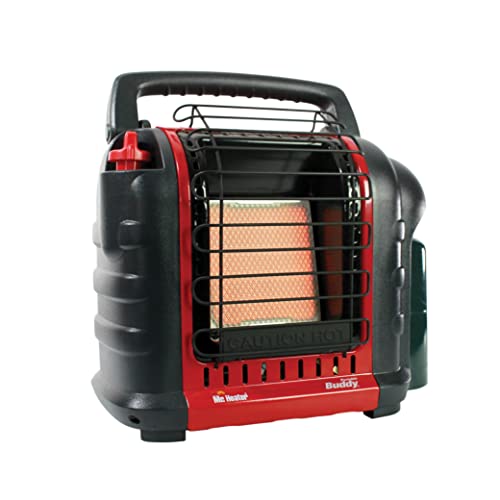
This compact radiant propane heater uses advanced infrared technology to deliver direct, sun-like warmth. The unit offers adjustable output from 4,000 to 9,000 BTU, suitable for small spaces up to about 225 square feet. Radiant heat warms objects and people first, which can feel more efficient in areas where air circulation is limited.
Safety features include an improved tip-over safety switch with an audible engagement and a durable Piezo igniter for matchless start-up. The heater is commonly recommended for campers, workshops, garages, and patios where portable, focused heat is needed.
Key features referenced: powerful radiant heat, tip-over safety, and reliable Piezo ignition. The MH9BX emphasizes portability, direct infrared warming, and user-friendly ignition.
Dyna-Glo IR30PMDG-1 30,000 BTU Infrared Wall Heater

Call 888-896-7031 for Free Local HVAC Quotes – Compare and Save Today!
The Dyna-Glo wall-mounted infrared heater is designed for larger spaces, with variable output from 6,000 to 30,000 BTU and a listed coverage up to 1,000 square feet. Because it’s a vent-free infrared unit, it radiates heat to objects first rather than heating air, which can be effective for high-ceiling rooms, garages, and open workshop areas.
This model is specified as Liquid Propane Ready and features adjustable controls to match demand. Infrared heating often yields perceived efficiency gains because heat is targeted rather than relying on convection to warm the entire volume of air.
Key features referenced: LP-ready fuel, infrared radiation for object-first heating, and broad BTU range for larger areas. Installation considerations for vent-free wall heaters and local code compliance should be reviewed before purchase.
Mr. Heater 4000 To 18000 BTU Portable LP Unit
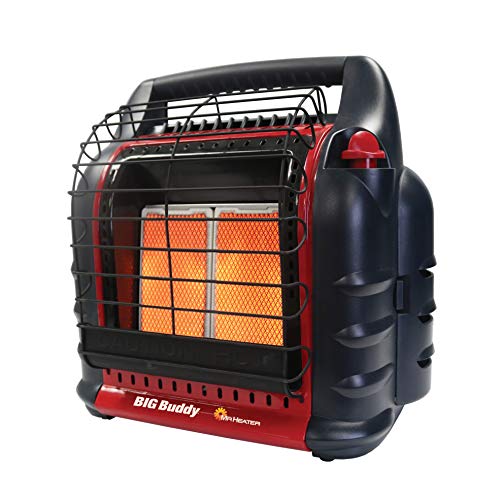
This portable LP heater provides selectable heat levels at 4,000, 9,000, or 18,000 BTU, giving flexible output for a variety of spaces up to roughly 450 square feet. The design supports use with larger propane tanks (up to 40 lbs) when paired with the appropriate hose and filter for extended runtime.
Operating simplicity is emphasized through a single control start knob and a piezo sparking mechanism. Built-in safety measures include automatic shutoff in the event of tip-over. This model is oriented toward outdoor living spaces, larger patios, and semi-enclosed areas where adjustable heat and longer runtime are priorities.
Call 888-896-7031 for Free Local HVAC Quotes – Compare and Save Today!
Key features referenced: multi-stage BTU settings, dual-tank compatibility, and straightforward ignition/safety design. The variable output allows matching heat delivery to conditions and occupancy.
Mr. Heater Big Maxx MHU80NG 80,000 BTU Unit Heater
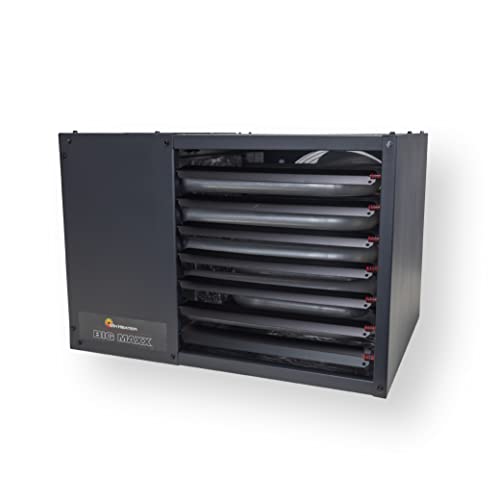
The Big Maxx unit is a high-output shop/garage heater rated at 80,000 BTU and designed for natural gas but shipped with a Liquid Propane conversion kit. It’s intended for larger spaces — manufacturer coverage notes up to 2,000 square feet with appropriate clearances and venting requirements.
This model includes angle brackets for mounting and emphasizes substantial, continuous heat for larger workspaces. As a category 1/3 vented appliance, installation and clearances are important for safe operation. The unit is electrically assisted at 120 V for fan or controls, so consider site power when planning placement.
Key features referenced: high BTU output, LP conversion capability, and suitability for large-area heating. This heater is targeted to garages, shops, and commercial bays requiring durable, centralized heat.
Mr. Heater Portable Buddy (Alternate Mention)
This entry reiterates the portable radiant Buddy heater’s role as a compact, energy-conservative option for small indoor and outdoor zones. With 4,000–9,000 BTU output and the same Piezo ignition and tip-over safety, the Buddy is frequently used where portability and direct warmth are valued.
Its infrared approach can be more efficient in targeted heating scenarios because less energy is spent warming unused air volume. The unit’s built-in safety engagement features make it suitable for temporary setups in occupied spaces when used according to the manufacturer’s instructions.
Key features referenced: direct infrared heat, portable form factor, and integrated safety systems. Use is best for small rooms, tents with proper ventilation, and workstations requiring spot heat.
Buying Guide: How To Choose The Most Efficient Propane Heater
Evaluating propane heater efficiency requires assessing several technical and practical factors beyond BTU ratings alone. Below are the primary considerations to weigh when selecting a heater for a given space or use case.
Heat Delivery Method
Radiant (Infrared) Versus Convection: Radiant heaters (infrared) warm objects and people directly, which can feel more efficient in drafty or high-ceiling areas where warming the air is wasteful. Convection or forced-air heaters warm air volume and typically suit fully enclosed spaces needing uniform temperature.
BTU Output And Sizing
Match BTU To Space: Higher BTU implies greater heating power, but oversizing leads to short cycling and potential inefficiency. Estimate required BTU based on room size, insulation levels, ceiling height, and typical outdoor temperature. For spot heating, lower-BTU radiant units can be more efficient.
Coverage And Placement
Targeted vs. Whole-Room Heating: Portable radiant units excel for localized warmth (workbenches, seating areas). Wall-mounted or unit heaters serve larger spaces more evenly. Consider mounting height, clearances, and whether the heater’s radiation pattern suits occupant positions.
Fuel Delivery And Runtime
Tank Size And Hookup: Portable heaters often run from 20-lb cylinders. Units compatible with larger tanks or dual-tank setups extend runtime and reduce refill frequency. For fixed installations, direct gas lines or permanent LP tanks offer continuous supply and labor savings.
Safety Features
Tip-Over, Oxygen Depletion, And Flame Sensors: Safety systems such as tip-over shutoff, ODS (oxygen depletion sensor), and flame failure devices are critical, especially for indoor or semi-enclosed use. Verify listed safety features and user requirements for ventilation.
Installation And Local Codes
Venting, Clearances, And Permits: Vent-free units, vented wall units, and shop unit heaters each have distinct installation rules and local code implications. Check local regulations and manufacturer installation guides to ensure code-compliant use.
Efficiency Metrics And Real-World Use
Perceived Efficiency: Efficiency in practice depends on how heat is used. For example, infrared heaters can reduce gas consumption in intermittent-occupancy scenarios by warming people directly and allowing ambient temperatures to remain lower. For sustained whole-room comfort, properly sized unit or wall heaters can be more efficient overall.
Durability And Serviceability
Build Quality And Replacement Parts: Metal-bodied, serviceable units with accessible components can extend lifespan and reduce lifetime cost. For permanent installs, professional servicing and warranty coverage are important considerations.
Noise And Comfort
Fan Noise Versus Quiet Radiant Heat: Radiant heaters typically operate quietly; fan-forced unit heaters may produce audible noise. For living spaces or night use, choose based on acceptable noise levels.
Comparison Perspectives
- Small-Space, Intermittent Use: Portable radiant models (4,000–9,000 BTU) tend to be efficient due to direct heating and portability.
- Large Spaces And Workshops: High-BTU unit heaters (60,000–80,000 BTU) or wall-mounted infrared units (up to 30,000 BTU) provide sustained heat for larger areas if installed correctly.
- Portable Long-Run Needs: Units that accept larger tanks or dual connections reduce refill frequency and can lower operational interruptions.
- Permanent/Commercial Installations: Vented or unit heaters with higher output and professional installation often deliver safer, more efficient whole-space heating over time.
Maintenance And Operational Tips
- Follow manufacturer maintenance schedules and inspect hoses/fittings before each season.
- Use the correct fuel type and conversion kit only as permitted by the manufacturer and local codes.
- Maintain proper ventilation where required and follow clearance specifications to prevent heat buildup or combustion hazards.
- Store propane tanks outdoors and secure them to prevent tipping or damage.
By aligning heater type, BTU capacity, safety features, and installation approach with your specific space and usage patterns, you can improve both comfort and operational efficiency. Consider the balance between targeted radiant warmth and full-room unit heating when choosing the most efficient propane heater for your needs.
Tips for Getting the Best HVAC Prices
- Prioritize Quality Over Cost
The most critical factor in any HVAC project is the quality of the installation. Don’t compromise on contractor expertise just to save money. - Check for Rebates
Always research current rebates and incentives — they can significantly reduce your overall cost. - Compare Multiple Quotes
Request at least three estimates before making your choice. You can click here to get three free quotes from local professionals. These quotes include available rebates and tax credits and automatically exclude unqualified contractors. - Negotiate Smartly
Once you've chosen a contractor, use the proven strategies from our guide — How Homeowners Can Negotiate with HVAC Dealers — to get the best possible final price.