
The right marine engine heater prevents freeze damage, eases winter starts, and protects batteries and fuel systems. Below is a quick comparison of five reliable options chosen for bilge and engine-compartment use, coolant pre-heating, and multi-use heating in boats, RVs, and related applications.
| Product | Type | Power / Output | Key Feature |
|---|---|---|---|
| Xtreme Heaters Bilge Heater | Electric Bilge/Compartment | 400W (PTC) | Self-regulating PTC, waterproof fan |
| CAFRAMO SEEKR | Engine Compartment Heater | 400W / 1365 BTU | Ignition protected, dual-fan redundancy |
| Twin Hornet 45 | Bilge Compartment Heater | 700W | Stainless steel heating module, wet-location rated |
| THERELMAX HMA650 | Built-in Thermostat Heater | 650W (PTC) | Adjustable thermostat, rapid heating |
| HOTSTART TPS151GT10 Coolant Pre-Heater | Coolant Engine Pre-Heater | Engine-specific (for 350–500 CID) | Pre-heats engine coolant, thermosiphon design |
Content Navigation
Xtreme Heaters Bilge Compartment Heater

Designed for bilges, underbellies, and enclosed compartments, this unit uses a self-regulating PTC element that cycles on at 40°F and off at 55°F to maintain safe compartment temperatures. The anodized housing and sealed electronics claim long life and ruggedness for marine environments.
Key features listed: 400W output with a PTC element, a 58 CFM waterproof fan, and multi-orientation mounting including upside-down installation. The manufacturer highlights a reduced footprint versus previous models and an emphasis on consistent engine compartment temperatures.
Use cases include winter storage protection, preventing frozen pumps and lines, and preserving battery and fuel condition. Installation considerations: location for adequate airflow, secure mounting to structure, and appropriate wiring to an onboard protected circuit.
CAFRAMO SEEKR Bilge Heater

Call 888-896-7031 for Free Local HVAC Quotes – Compare and Save Today!
The CAFRAMO SEEKR is built to meet ignition protection standards including USCG and UL-1500, making it specifically designed for use in gasoline engine compartments and bilges where combustible gases may occur.
Listed features: safe self-regulated PTC element, dual airflow redundancy with two fans for added security, and certification to ignition protection guidelines. Dual-fan design aims to reduce single-point failure risk in critical compartments.
Recommended use: hobbyist and commercial boats that require certified ignition-protected equipment. When installing, follow guidelines for securing wiring, maintaining clearance from fuel lines, and placing the heater to encourage even airflow across the compartment.
Twin Hornet 45 Boat Bilge Heater

The Twin Hornet 45 emphasizes wet-location safety and a patented stainless steel heating module. It uses self-temperature-regulating modules and waterproof fans and controls intended for marine environments.
Features listed include a next-generation stainless steel heating element, waterproof fans and controllers, and safe operation in areas with combustible gases. The product targets durability and safety in harsh bilge spaces.
Call 888-896-7031 for Free Local HVAC Quotes – Compare and Save Today!
Consider this heater for larger compartments or installations needing higher wattage. The higher output can maintain warmer bilge temperatures more rapidly but requires compatible onboard electrical capacity and a proper protected circuit for marine use.
THERELMAX HMA650 Built-In Thermostat
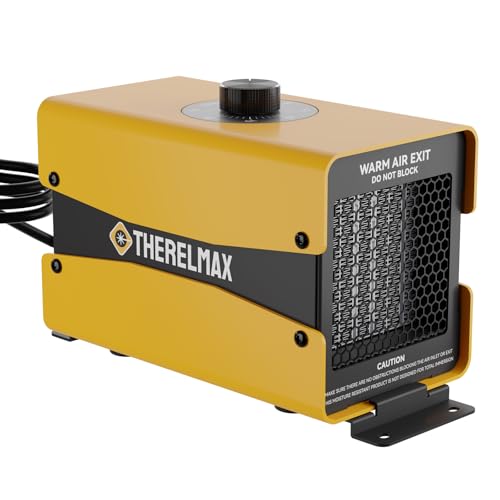
The THERELMAX HMA650 is a 650W PTC heater with an adjustable built-in thermostat. The manufacturer recommends setting the thermostat near 46°F for bilge and engine compartment protection while allowing user control for other applications.
Key features: adjustable thermostat (41–86°F), 3-second fast heating with PTC ceramic technology, and multi-use suitability for bilges, RV bays, greenhouses, and lithium battery warmers. The product positions itself as reducing winterizing costs by preventing freeze-related damage.
Because it provides user-adjustable setpoints, this unit is suitable where variable control is desired. Install it where thermostat sensing reflects the compartment temperature and ensure electrical supply matches 650W demand.
HOTSTART Engine Coolant Pre-Heater
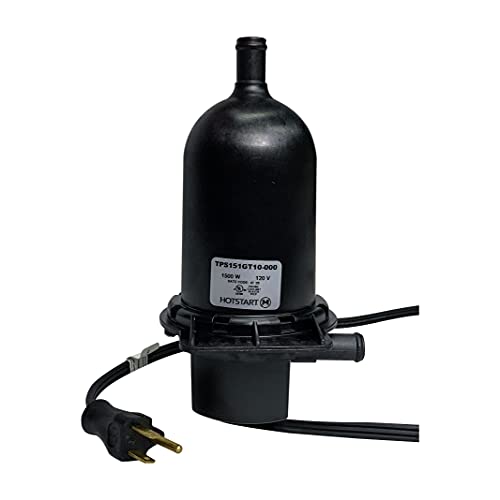
Unlike compartment heaters, the HOTSTART TPS151GT10 is a coolant pre-heater intended to warm engine coolant before starting. It is designed for diesel and gasoline engines and works on the thermosiphon principle, requiring no pump.
Features listed: designed for engines within 350–500 CID (5.7–8.2 L), heats engine coolant and water, and provides pre-heat capability for trucks, marine engines, and industrial equipment. It is offered with a manufacturer warranty.
Use cases: larger displacement engines where warming the engine block and coolant yields easier cold starts, lower wear during start-up, and reduced idle time. Installation typically involves integration into the engine coolant flow and may require professional installation for proper plumbing and electrical connections.
Buying Guide: Choosing A Marine Engine Heater
Selecting the right heater depends on compartment type, engine size, onboard electrical capacity, certification needs, and intended protection level. Below are the key considerations to compare options objectively.
Type Of Heater
- Bilge/Compartment Electric Heaters (PTC or resistive): Heat air in enclosed spaces to prevent pumps, lines, and batteries from freezing. Typically simple to install and aimed at preserving compartment temperature.
- Coolant Pre-Heaters: Heat engine coolant or the engine block directly for faster warm-up and reduced engine wear; often specific to engine displacement and require plumbing into the cooling system.
Power And Heat Output
- Specify the wattage or BTU output and match it to compartment volume. Higher wattage heats faster and is better for larger spaces but demands greater electrical supply.
- For bilge heaters, 300–700W options are common. For engine pre-heaters, match the model to engine displacement ratings.
Safety And Certification
- Ignition Protection: Required for use in gasoline engine compartments or bilges where flammable vapors may be present. Look for USCG or UL-1500 compliance when needed.
- Wet-Location Ratings: Waterproof fans, sealed electronics, and corrosion-resistant housings matter in bilge environments.
- Thermostat Control: Self-regulating PTC elements or adjustable thermostats help avoid overheating and maintain steady temperatures.
Durability And Materials
- Corrosion-resistant housings (anodized or stainless steel) extend service life in salty environments.
- Waterproof connectors and sealed electronics reduce failure risk; check for IP ratings where provided.
Installation Considerations
- Power Source: Confirm available circuit capacity, inverter or shore power compatibility, and wire gauge requirements.
- Mounting Location: Place heaters to promote airflow across the compartment and away from direct contact with fuel lines or electrical components.
- Wiring And Protection: Use fused circuits, proper marine-grade wiring, and optionally a dedicated switch or thermostat control panel.
- For coolant pre-heaters, plumbing must be compatible with cooling system routing and valve arrangements; professional installation can reduce risk.
Redundancy And Reliability
- Dual-fan designs and redundant airflow paths reduce the chance of single-point failure in critical compartments.
- Consider models with sealed fans and replaceable components for easier maintenance.
Energy Efficiency And Control
- PTC elements self-limit and reduce power draw as temperatures approach setpoint, often improving safety and efficiency.
- Adjustable thermostats allow tailoring to seasonal needs and can lower runtime versus fixed-output units.
Use Case Comparisons
- If You Need Simple Bilge Freeze Protection: Choose a waterproof electric bilge heater with a PTC element, adequate CFM fan, and self-regulating thermostat.
- If You Need Ignition-Protected Equipment: Select models certified to USCG/UL-1500 and intended for gasoline compartments.
- If You Have A Large Engine: Consider a coolant pre-heater sized for your engine displacement to warm the engine block directly.
- If You Want Adjustable Control: Look for units with a built-in adjustable thermostat for multi-purpose use (bilge, RV bay, battery warming).
Maintenance And Lifespan
- Inspect fans, mounting hardware, and wiring seasonally. Remove debris and ensure ventilation paths remain clear.
- Replace or service fans and controllers if water intrusion or corrosion is apparent. Prefer models with sealed electronics modules for longer life.
Installation Tips
- Mount the heater to a structural surface away from direct bilge water and fuel sources, following manufacturer clearance recommendations.
- Wire through marine-grade conduit or protected runs; use proper marine connectors and a fused circuit sized per device amperage.
- Test thermostat operation in controlled conditions before leaving the vessel unattended for extended cold periods.
Comparing Specific Models
- Choose CAFRAMO SEEKR when ignition protection and certified use in gasoline compartments are mandatory.
- Choose HOTSTART when block warming for large engines is the priority rather than ambient bilge warming.
- Choose Twin Hornet or similar higher-watt models for larger enclosed spaces that need stronger output and stainless components.
- Choose THERELMAX or Xtreme Heaters for compact PTC solutions with thermostat control and waterproof fans for general bilge/compartment protection.
When selecting any marine heater, verify compatibility with your vessel’s electrical system, required safety certifications, and intended protection goals. Proper installation and periodic maintenance maximize reliability and safety while reducing the risk of freeze-related damage.
Tips for Getting the Best HVAC Prices
- Prioritize Quality Over Cost
The most critical factor in any HVAC project is the quality of the installation. Don’t compromise on contractor expertise just to save money. - Check for Rebates
Always research current rebates and incentives — they can significantly reduce your overall cost. - Compare Multiple Quotes
Request at least three estimates before making your choice. You can click here to get three free quotes from local professionals. These quotes include available rebates and tax credits and automatically exclude unqualified contractors. - Negotiate Smartly
Once you've chosen a contractor, use the proven strategies from our guide — How Homeowners Can Negotiate with HVAC Dealers — to get the best possible final price.