
Finding a safe, efficient space heater for an RV requires balancing power use, safety features, and portability. Below is a compact comparison of top-rated heaters that suit RV use, followed by detailed product summaries and a practical buying guide to help you choose the right unit.
| Product | Type | Key Safety Feature | Power/Range |
|---|---|---|---|
| Mr. Heater MH9BXRV Buddy | Radiant Propane (Indoor-Safe) | Low-oxygen & tip-over shutoff | 4,000–9,000 BTU • Up To 225 sq ft |
| Xtreme Heaters Boat, Cabin, & RV Heater | Electric Fan/Convection | Tip-over switch • Low profile | Portable small-space heater |
| Heat Storm HS-1500-PHX-WIFI | Infrared Wall-Mounted Electric | Tip-over/overheat and thermostat | Wall-mounted heater • Wi‑Fi control |
| GiveBest Portable Ceramic Heater | Ceramic Electric Space Heater | Overheat & tip-over protection | 750W / 1500W • Up To ~200 sq ft |
| BLACK+DECKER Portable Space Heater | Compact Electric Fan Heater | Auto shutoff • Lightweight | 750W / 1500W • Desk/personal use |
Content Navigation
- Mr. Heater F232017 MH9BXRV Buddy Grey Indoor-Safe Portable RV Radiant Heater (4,000-9,000-BTU)
- Xtreme Heaters Boat, Cabin, & RV Heater
- Heat Storm HS-1500-PHX-WIFI Infrared Heater, Wifi Wall Mounted
- GiveBest Portable Electric Space Heater With Thermostat, 1500W/750W
- BLACK+DECKER Portable Space Heater, Room Space Heater With Carry Handle
- Buying Guide: Choosing A Safe RV Space Heater
Mr. Heater F232017 MH9BXRV Buddy Grey Indoor-Safe Portable RV Radiant Heater (4,000-9,000-BTU)
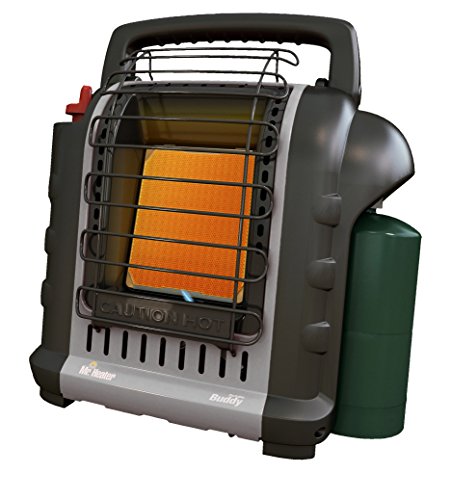
The Mr. Heater MH9BXRV Buddy is designed specifically for RVs and small enclosed spaces. It runs on propane and produces 4,000–9,000 BTU, suitable for heating areas up to about 225 square feet depending on insulation and outside conditions.
Key safety features include auto shut-off for low oxygen (ODS), pilot outage, and tip-over protection. The unit is approved for indoor/outdoor use and is described as nearly 100% efficient in converting fuel to radiant heat.
Operational notes: the heater may shut off at altitudes above 7,000 feet. Propane heaters provide strong radiant heat without relying on electrical supply, which can be useful in boondocking scenarios, but users must ensure proper ventilation and functioning ODS for enclosed RV use.
Xtreme Heaters Boat, Cabin, & RV Heater

Call 888-896-7031 for Free Local HVAC Quotes – Compare and Save Today!
The Xtreme Heaters Boat, Cabin, & RV Heater is a compact electric unit built for small mobile spaces. It emphasizes a low profile and a stable base that allows placement near walls or on carpeted surfaces.
Safety is a focus: it features a tip-over switch that cuts power in the event of a fall. The design draws air from the top for quieter operation and to allow flexible placement inside confined areas.
This model suits users who prefer electric heaters with a simple footprint and minimal noise. Always verify the RV’s electrical capacity and circuit limits before prolonged use of electric heaters.
Heat Storm HS-1500-PHX-WIFI Infrared Heater, Wifi Wall Mounted

The Heat Storm HS-1500-PHX-WIFI is an infrared, wall-mounted heater that saves floor space—useful in tight RV interiors. Its wall-mount design frees up living area and reduces trip hazards from floor heaters.
Features include a digital thermostat, remote control, and Wi‑Fi connectivity for remote temperature control. Safety features include tip-over and overheat protection. As a fixed installation, it requires planning for mounting and electrical access.
Call 888-896-7031 for Free Local HVAC Quotes – Compare and Save Today!
Infrared units heat objects and people directly rather than large volumes of air, which can be efficient for localized warmth inside an RV. Confirm mounting compatibility and electrical requirements before installation.
GiveBest Portable Electric Space Heater With Thermostat, 1500W/750W

The GiveBest Portable Ceramic Heater is a compact electric option offering two heat levels (750W and 1500W) plus a fan-only mode. Its thermostat cycles the heater to maintain a preset temperature.
Safety systems include overheat protection, tip-over shutoff, and flame-retardant materials. The unit is designed for quick localized heating and includes a carry handle for repositioning.
Ceramic PTC heaters warm up quickly and are commonly used in RVs where electric supply supports 1500W loads. Consider runtime limits and circuit sharing with other appliances when using higher heat settings.
BLACK+DECKER Portable Space Heater, Room Space Heater With Carry Handle

The BLACK+DECKER Portable Space Heater is a lightweight personal heater with an adjustable thermostat and carry handle. It offers low (750W), high (1500W) settings and a fan-only mode.
It’s intended for desk or personal use in small spaces. Safety features include automatic shutoff. Its compact footprint and portability make it suitable for spot heating in RV cabins when used with attention to electrical limits.
For RV use, its low weight and simple controls are advantages. Users should ensure the unit is placed on a stable, level surface away from combustibles and not overloaded on shared circuits.
Buying Guide: Choosing A Safe RV Space Heater
Selecting an RV-safe heater means evaluating power source, safety systems, placement options, and how the unit interacts with your RV’s electrical or fuel systems. The following considerations will help you compare options across multiple perspectives.
Power Source: Propane Vs Electric Vs Infrared
- Propane (Radiant): Delivers high heat without using shore power. Good for boondocking. Requires proper ventilation and functional low-oxygen sensors (ODS) for indoor use.
- Electric (Ceramic/PTC): Simple plug-and-play; fast warm-up and built-in safety features. Limited by RV circuit capacity (typically 15A/20A). Use 750W or 1500W models with awareness of other loads.
- Infrared/Wall-Mounted: Heats objects directly and can be more efficient in small zones. Requires fixed installation and compatible electrical supply.
Safety Features To Prioritize
- Tip-Over Protection: Automatically cuts power if the unit falls—essential in moving or tight spaces.
- Overheat Shutoff: Prevents sustained overheating from blocked intakes or prolonged use.
- Low-Oxygen/CO Considerations: For propane heaters, ensure ODS functionality and maintain ventilation. Always use CO detectors.
- Certified Components: Look for ETL/UL listings indicating independent safety testing.
Electrical Considerations For RVs
- Check your RV’s breaker and shore power rating. A 1500W heater draws ~12.5 amps at 120V—watch cumulative loads.
- Running a heater on a shared circuit with microwave, AC, or converters can trip breakers. Use separate circuits where possible.
- When boondocking, electric heaters rely on inverter capacity and battery reserve; propane or diesel heaters may be more practical.
Size, Placement, And Installation
- Portable Units (ceramic/fan): Offer flexibility; place on a stable surface clear of flammable materials.
- Wall-Mounted/Infrared: Save floor space and reduce tip-over risk, but require mounting hardware and an electrical outlet in place.
- Radiant Propane: Position centrally for even radiant heat; maintain safe distances from fabrics and cabinetry.
Heating Performance And Efficiency
- Electric PTC/ceramic heaters are effective for immediate localized warmth and typically sized for up to ~200 sq ft at 1500W under ideal conditions.
- Propane radiant heaters may heat occupants and surfaces more effectively in poorly insulated or very cold conditions without taxing electrical systems.
- Infrared heaters are efficient at delivering direct warmth, but may not warm the entire air volume quickly.
Noise, Comfort, And Control
- Consider fan noise for sleeping areas. Some tower or ceramic models advertise lower dB levels.
- Thermostat precision and timers allow better comfort control and energy savings.
- Remote or Wi‑Fi controls add convenience for preheating before entering the RV.
Maintenance And Operational Tips
- Keep intakes and outlets clear of dust and debris. Clean filters if applicable.
- Test safety features periodically: tip-over, overheat, and ODS systems.
- For fuel heaters, inspect fuel lines, connections, and ventilation paths regularly.
- Use carbon monoxide and smoke detectors rated for RV/mobile use and maintain fresh batteries.
Comparison Perspectives
- Boondocking/Off-Grid: Propane radiant heaters provide heat without relying on shore power; ensure ODS and ventilation.
- Hooked To Shore Power: Electric ceramic or infrared units provide simple operation and consistent thermostat control.
- Space-Limited RVs: Wall-mounted infrared heaters or low-profile electric units maximize living area and minimize trip hazards.
- Energy-Conscious Use: Use lower watt settings, timers, and thermostats to limit runtime and conserve power or fuel.
Use the product features, safety certifications, and your RV’s electrical/fuel setup to narrow choices. Prioritize units with multiple safety protections and matched power profiles to your RV environment for reliable, safe warmth.
Tips for Getting the Best HVAC Prices
- Prioritize Quality Over Cost
The most critical factor in any HVAC project is the quality of the installation. Don’t compromise on contractor expertise just to save money. - Check for Rebates
Always research current rebates and incentives — they can significantly reduce your overall cost. - Compare Multiple Quotes
Request at least three estimates before making your choice. You can click here to get three free quotes from local professionals. These quotes include available rebates and tax credits and automatically exclude unqualified contractors. - Negotiate Smartly
Once you've chosen a contractor, use the proven strategies from our guide — How Homeowners Can Negotiate with HVAC Dealers — to get the best possible final price.