
When the power goes out, choosing the right space heater can keep you safe and warm. This guide compares reliable off-grid and backup heating options that work without grid electricity, plus a couple of electric models often used with generators. Below is a quick summary of the five selected products and their core strengths.
| Product | Type | Primary Benefit |
|---|---|---|
| VESTA Self-Powered Camping Indoor/Outdoor Heater & Stove | Canned-Fuel Heater / Stove | No electricity required; indoor-safe canned heat |
| Mr. Heater Portable Buddy Heater MH9BX | Propane Radiant Heater | Portable propane heating up to ~225 sq ft; tip-over safety |
| Comfort Gear 360° Propane Space Heater | Propane Infrared Heater | 360° radiant heat for larger areas up to ~450 sq ft |
| Dreo Space Heater 1500W (Digital, Thermostat) | Electric Ceramic Heater | Fast electric heating with precise thermostat and safety features |
| GiveBest Portable Electric Space Heater 1500W/750W | Electric Ceramic Heater | Compact electric heater with thermostat; dual power modes |
Content Navigation
- VESTA Self-Powered Camping Indoor/Outdoor Heater & Stove (Compact, Off-Grid, Emergency)
- Mr. Heater Portable Buddy Heater MH9BX 4,000-9,000 BTU (Red, Black)
- Comfort Gear 360° Propane Space Heater, 13,500–18,000 BTU
- Dreo Space Heater, Portable Electric Heaters With Thermostat, 1500W
- GiveBest Portable Electric Space Heater With Thermostat, 1500W/750W
- Buying Guide: Choosing The Right Heater For Power Outages
VESTA Self-Powered Camping Indoor/Outdoor Heater & Stove (Compact, Off-Grid, Emergency)

The VESTA combines a space heater and stove in one compact unit designed for off-grid emergencies. It uses canned heat as fuel and requires no electricity, enabling indoor use to warm areas up to roughly 200 square feet. Feature highlights include its two-in-one function for cooking and heating, explicit claim of being safe for indoor use when used properly, and the option to burn up to three canned heat fuel canisters simultaneously for maximum output.
Suitable For: Emergency kits, small rooms, camping where indoor-safe canned fuel is permitted. Consider ventilation recommendations and manufacturer instructions about fuel placement and burn times to ensure safety during extended use.
Mr. Heater Portable Buddy Heater MH9BX 4,000-9,000 BTU (Red, Black)
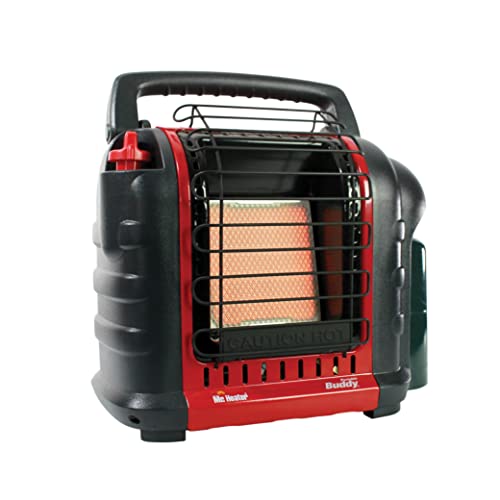
The Mr. Heater Portable Buddy MH9BX is a propane radiant heater offering adjustable output between 4,000 and 9,000 BTU, intended to heat areas up to approximately 225 square feet. It delivers direct, sun-like warmth using infrared technology and prioritizes safety with an improved tip-over safety switch that audibly engages if disturbed.
Call 888-896-7031 for Free Local HVAC Quotes – Compare and Save Today!
Key Features: Reliable Piezo igniter for matchless ignition, radiant heating that warms objects and people directly, and enhanced tip-over safety. Suitable for garages, workshops, RVs, and indoor use where propane heating is allowed. Follow local codes and ventilation guidance when running propane indoors.
Comfort Gear 360° Propane Space Heater, 13,500–18,000 BTU

The Comfort Gear 360° Propane Space Heater provides full-radius infrared warmth, with heat settings including 4,000, 5,500, and 18,000 BTU. It claims coverage up to 450 square feet on higher settings. The portable design includes a carry handle and dimensions that prioritize ease of transport and placement.
Key Considerations: 360° radiant heat is effective for open areas and event-style setups. Multiple BTU settings allow flexibility from low to high output. As a propane heater intended for indoor/outdoor use, confirm fuel storage and ventilation best practices before indoor operation.
Dreo Space Heater, Portable Electric Heaters With Thermostat, 1500W

The Dreo 1500W space heater is an electric ceramic model optimized for rapid heat delivery using PTC technology and an advanced heat funnel. It features a digital display, remote, 12-hour timer, and a thermostat that allows fine temperature control between 41–95°F, in 1°F increments. Safety certifications include ETL listing, tilt-detection, overheat protection, and V0 flame retardant materials.
Call 888-896-7031 for Free Local HVAC Quotes – Compare and Save Today!
Power Outage Note: As an electric heater, it requires grid power or a compatible generator/battery inverter to operate during an outage. Use this model when a backup power source is available. Advantages include precise temperature control and multiple safety protections for indoor use.
GiveBest Portable Electric Space Heater With Thermostat, 1500W/750W

The GiveBest ceramic heater features dual heat modes (1500W/750W), an adjustable thermostat, and a cool fan mode. It includes multiple safety measures such as automatic overheat shutoff and tip-over protection. Its compact design and carry handle make it portable for targeted heating of a room or workspace.
Power Outage Note: This unit requires AC power; it is suitable for use with a generator or inverter. It offers thermostat-controlled cycling to conserve energy when running on limited backup power, but confirm generator or inverter capacity before use.
Buying Guide: Choosing The Right Heater For Power Outages
Selecting a heater for outages depends on several factors including fuel availability, indoor safety, coverage area, and whether you have a generator. Below are key considerations and comparison perspectives to guide choices.
Fuel Type And Availability
- Propane Heaters (Mr. Heater, Comfort Gear): Readily available propane cylinders provide extended runtime. Check local regulations for indoor propane use and ensure carbon monoxide monitoring.
- Canned-Fuel Heaters (VESTA): Small canned fuel canisters are compact and require no electricity. Useful for short-term heating and cooking but may have limited runtime per can.
- Electric Heaters (Dreo, GiveBest): Depend on grid power or a generator/inverter. They offer precise temperature control and multiple safety features when power is available.
Indoor Safety And Ventilation
- Combustion-based heaters produce byproducts; ensure adequate ventilation and a working carbon monoxide (CO) detector. Follow manufacturer instructions for safe indoor use.
- Electric heaters avoid combustion risks but still require tip-over and overheat protections. Confirm ETL/UL/CSA listings when possible.
Coverage Area And BTU/Watt Output
- Match heater output to room size: electric 1500W units are effective for small to medium rooms (roughly up to 200 sq ft depending on insulation).
- Propane heaters list BTU ranges; higher BTU heats larger or poorly insulated spaces but consumes more fuel.
- Consider 360° infrared models for open areas and radiant heaters for targeted warmth.
Runtime And Fuel Storage
- Estimate runtime by comparing fuel capacity and burn rates. Keep spare fuel stored safely and rotate stock.
- Electric heaters used with generators must account for generator runtime and fuel for the generator.
Portability And Placement
- Look for compact designs and carry handles for mobility during an emergency. Place heaters on stable, non-combustible surfaces and keep clear zones around them.
- Tip-over protection is essential for both electric and portable combustion heaters.
Ignition And Ease Of Use
- Piezo igniters (Mr. Heater) and matchless systems reduce the need for external tools. Canned-fuel units can be simpler to start but may require careful fuel changes.
- Electric models offer push-button or digital controls and programmable thermostats for convenience when power is available.
Safety Features And Certifications
- Prioritize units with tip-over shutoff, overheat protection, and recognized safety certifications (ETL/UL/CSA).
- For combustion heaters used indoors, pair with CO alarms and follow clearance recommendations.
Backup Power Compatibility
- If you plan to use electric heaters during outages, verify your backup generator or inverter can handle the heater’s startup and running wattage. A 1500W heater typically requires an inverter/generator capable of sustained 1500W with adequate surge capacity.
- For long-duration outages, combustion heaters that do not rely on electricity may offer lower operational complexity.
Maintenance And Practical Considerations
- Keep user manuals and manufacturer safety instructions readily available. Regularly inspect fuel lines, seals, and electrical cords.
- Store spare fuel, replacement parts, and batteries (if applicable) as part of an emergency kit.
Comparative Perspectives:
Tips for Getting the Best HVAC Prices
- Prioritize Quality Over Cost
The most critical factor in any HVAC project is the quality of the installation. Don’t compromise on contractor expertise just to save money. - Check for Rebates
Always research current rebates and incentives — they can significantly reduce your overall cost. - Compare Multiple Quotes
Request at least three estimates before making your choice. You can click here to get three free quotes from local professionals. These quotes include available rebates and tax credits and automatically exclude unqualified contractors. - Negotiate Smartly
Once you've chosen a contractor, use the proven strategies from our guide — How Homeowners Can Negotiate with HVAC Dealers — to get the best possible final price.
- Off-Grid Simplicity: Canned-fuel and propane units provide immediate heat without electricity, with tradeoffs in ventilation and fuel logistics.
- Precision And Safety: Electric ceramic heaters provide fine temperature control and multiple safety interlocks but require reliable backup power.
- Area Coverage: Higher-BTU propane and 360° models suit larger, open areas; 1500W electric heaters are best for enclosed rooms with good insulation.