
Choosing a heater for confined spaces—crawlspaces, under desks, small workshops, or utility rooms—means balancing safety, size, airflow, and heat output. Below is a concise comparison of five suitable products selected for confined-space use, followed by individual product summaries and a detailed buying guide.
| Product | Type | Key Feature | Best For |
|---|---|---|---|
| TPI 170TS Confined Space Heater | Radiant Panel | Under-desk freeze protection, thermostat | Under desks, tight enclosures |
| Dura Heat EUH1465 | Forced-Air PTC Ceramic | Rugged steel body, pivoting base | Garages, workshops, confined work areas |
| Dreo Space Heater | PTC Ceramic Portable | Advanced PTC with precise thermostat | Indoor rooms and small enclosed spaces |
| Aikoper Space Heater | PTC Ceramic Portable | Fast heat-up, fan mode | Offices, bedrooms, small utility rooms |
| BLACK+DECKER Portable Space Heater | Compact Room Heater | Lightweight, carry handle, fan/heat | Desks, dorms, personal zones in confined rooms |
Content Navigation
TPI 170TS Confined Space Heater

Type: Radiant Panel Heater. The TPI 170TS Is Designed For Freeze Protection In Tight Locations.
This unit Features high-quality construction Built For Industrial Conditions, Resisting Corrosion And Mechanical Stress. Its radiant panel design Provides Direct Heat To Nearby Surfaces And People, Making It Suitable For Placement Under Desks Or Inside Small Enclosures Where Forced-air Circulation Is Limited. The Built-in thermostat Allows Temperature Control For Sustained Freeze Protection, And A Six-Foot Cord Facilitates Installation Near Standard Outlets.
Advantages For Confined Spaces Include Low Profile Installation And Focused Heat Without Large Fans. Considerations: Radiant panels Warm Surfaces And Objects First; They Rely Less On Room Air Circulation, So Placement Relative To Occupants Or Equipment Matters.
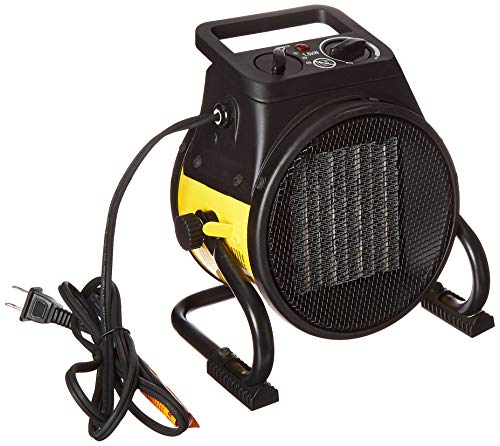
Dura Heat EUH1465 Forced Air Heater
Call 888-896-7031 for Free Local HVAC Quotes – Compare and Save Today!
Type: Electric Forced-Air Heater With Pivoting Base. Designed For Robust Use In Work Areas.
The Dura Heat EUH1465 Uses PTC ceramic heating And A Forced-Air Design To Deliver Rapid Warmth. Its rugged steel construction Indicates Durability In Industrial Settings And Confined Workspaces Where The Heater Might Be Moved Or Bumped. A Pivoting Base Permits Directional Airflow, Helping Target Heat Into Specific Zones Within A Small Enclosure.
For confined spaces, forced-air heaters Quickly Move Heated Air Into Corners And Around Obstacles, But They Require Consideration Of Clearances And Ventilation If Combustible Materials Or Dust Are Present. The unit’s versatility In Heat And Fan Modes Helps When You Need Air Circulation Without Continuous Heat.
Dreo Space Heater With Thermostat

Type: Portable PTC Ceramic Heater With Digital Thermostat And Timer.
Dreo’s Heater Utilizes An Advanced Hyperamics PTC System Combined With A Heat Funnel To Boost Circulation And Extend Reach Compared To Traditional Small Heaters. Safety Features Include tilt-detection, overheat protection, And Flame-Retardant Materials Certified By ETL. The Digital Thermostat Offers Fine Temperature Control With 1°F Increments, Allowing Precise Settings For Small Enclosed Areas.
Call 888-896-7031 for Free Local HVAC Quotes – Compare and Save Today!
This Model Suits Confined Indoor Spaces Where Precise Temperature Control And Additional Safety Protections Are Desired. The Combination Of Rapid Heat-Up And Controlled Output Makes It Appropriate For Desks, Small Rooms, And Utility Closets That Need Consistent Comfort.
Aikoper PTC Ceramic Space Heater
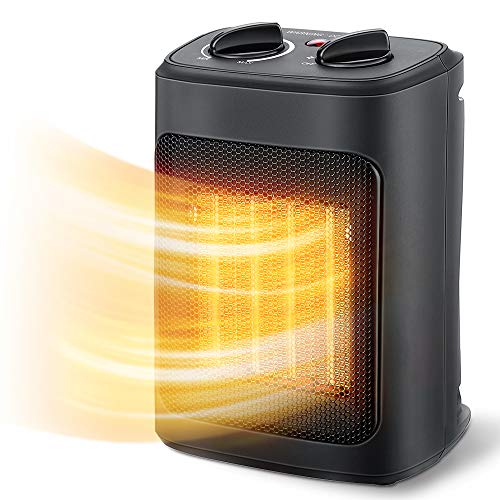
Type: Compact PTC Ceramic Heater With Fan Mode And Adjustable Thermostat.
The Aikoper Heater Combines advanced PTC ceramic technology With An Ultra-Efficient Fan To Heat Up Quickly And Distribute Warm Air Evenly Within A Small Space. It Offers Multiple Heat Settings Plus A Fan-Only Mode For Versatile Use When You Need Circulation Rather Than Heat. An Adjustable Thermostat Lets The Unit Maintain A Target Temperature.
As A Confined-Space Option, This Unit’s Fast Heat-Up And Fan-Assisted Distribution Help Warm Air Reach Corners And Occupants More Consistently Than Radiant Panels Alone. Pay Attention To Placement To Avoid Blocking The Intake Or Discharge When Space Is Very Tight.
BLACK+DECKER Portable Space Heater

Type: Compact Room Heater With Carry Handle And Fan/Heat Modes.
The BLACK+DECKER Model Is A Lightweight, Portable Option Engineered For Personal Zones Like Desks Or Small Workbenches. It Offers Multiple Heat Settings And A compact form factor With A Carry Handle For Easy Relocation. Its Simplicity And Portability Make It Practical For Temporary Heating Needs Inside Confined Areas Where Larger Units Would Be Impractical.
Compact Heaters Provide Focused Warmth For A Small Radius. In Confined Spaces, Their Lower Profile And Ease Of Placement Are Advantages, But Users Should Ensure Proper Clearance Around The Unit And Avoid Operating Near Flammable Materials.
Buying Guide: Choosing The Right Heater For Confined Spaces
Selecting a heater for confined spaces requires attention to safety, heating method, size, and the specific environment. The following considerations help match a heater to your conditions.
Heating Method
- Radiant Panel Heaters: Provide direct, quiet heat to nearby surfaces and people. Best For Under-Desk Freeze Protection Or Enclosures Where Airflow Is Minimal.
- PTC Ceramic / Forced-Air Heaters: Heat Air Quickly And Use Fans To Move Warm Air Into Corners. Better For Spaces That Need Faster Air Temperature Rise.
- Blowers And Ventilation: Not heaters themselves, but necessary when heating In Tightly Sealed Confined Spaces That Also Require Fresh Air Or Exhaust.
Safety Features
- Tip-Over Protection: Essential For Portable Units Used On Desks Or Floors In Small Areas.
- Overheat Protection: Prevents continuous operation At Unsafe Temperatures—critical In Confined Locations With Limited Airflow.
- Materials And Certification: Look For Flame-Retardant Materials And Certifications Like ETL Or UL For Peace Of Mind.
Size, Placement, And Clearances
- Measure The Space To Ensure The Unit Will Fit With Required Clearances Around Intakes And Exhausts.
- Place Radiant Panels Where They Can Warm Occupied Areas Directly. Position Forced-Air Units To Direct Air Around Obstacles For Even Distribution.
- For Crawlspaces Or Tight Enclosures, Choose Low-Profile Or Wall/under-desk Options Designed For Those Applications.
Power, Output, And Thermostat Control
- Match Watts Or BTU Output To The Volume And Insulation Characteristics Of The Space. Higher Output Heaters Heat Faster But Require More Power.
- Thermostat Control: Precise Thermostats Help Maintain Set Temperatures And Save Energy In Confined Zones.
- Variable Heat Settings And Timers Provide Flexibility For Intermittent Use.
Ventilation And Air Quality
- Confined Spaces May Accumulate Moisture Or Contaminants—consider ventilation or an exhaust fan when occupants are present for extended periods.
- Forced-air units can stir dust; if the area is dusty, select units with accessible grills for cleaning or consider radiant panels that produce less circulation.
Durability And Intended Environment
- Industrial Or Workshop Environments Benefit From Rugged Construction (Steel Housing, Stable Bases).
- For Office Or Residential Use In Confined Corners, Lightweight Portable Heaters With Safety Sensors And Quiet Operation Are Preferable.
Comparison Perspectives
- Safety-Focused: Choose heaters with tip-over and overheat protection, flame-retardant materials, and certifications.
- Performance-Focused: Forced-air PTC units Heat Air Quickly And Distribute Warmth Across A Small Volume More Rapidly Than Radiant Panels.
- Space-Constrained: Low-profile radiant panels Or compact personal heaters With Carry Handles Fit Best Where Footprint And Clearance Are Limited.
- Durability-Focused: Steel-bodied Forced-Air Units Offer Better Resistance To Bumps And Shop Conditions.
When selecting a confined-space heater, weigh the heating method, safety features, physical footprint, and the need for ventilation. Use the comparison perspectives above to prioritize the features that matter most for your specific confined environment.
Tips for Getting the Best HVAC Prices
- Prioritize Quality Over Cost
The most critical factor in any HVAC project is the quality of the installation. Don’t compromise on contractor expertise just to save money. - Check for Rebates
Always research current rebates and incentives — they can significantly reduce your overall cost. - Compare Multiple Quotes
Request at least three estimates before making your choice. You can click here to get three free quotes from local professionals. These quotes include available rebates and tax credits and automatically exclude unqualified contractors. - Negotiate Smartly
Once you've chosen a contractor, use the proven strategies from our guide — How Homeowners Can Negotiate with HVAC Dealers — to get the best possible final price.