
Choosing the right heater for a pole barn depends on barn size, fuel type, ventilation, and installation. Below is a quick comparison of five strong heater candidates suited for pole barns, garages, and workshops. The table summarizes their key specs to help you narrow options before reading full product sections below.
| Product | Type | Power / Output | Best For |
|---|---|---|---|
| Dr Infrared Heater DR-238 Carbon Infrared | Electric Infrared (120V) | 900W / 1200W / 1500W | Small to medium enclosed areas, covered patios |
| Mr. Heater Big Maxx MHU80NG | Natural Gas Unit Heater (Vented) | 80,000 BTU | Large pole barns / workshops up to ~2000 sq ft |
| Dr. Infrared Heater DR-966 240V Hardwired | Commercial Electric (240V) | 3000W / 6000W selectable | Medium to large shops requiring hardwired power |
| Dr. Infrared 10,260 BTU Infrared 3000W | Electric Infrared (220–240V) | 10,260 BTU / 3000W | Well-insulated garages and enclosed pole barns |
| Heat Storm HS-1500-PHX-WIFI | Wall-Mounted Infrared Electric (Plug/Wi‑Fi) | 1500W | Supplemental heating for smaller zones |
Content Navigation
- Dr Infrared Heater DR-238 Carbon Infrared Outdoor Heater
- Mr. Heater F260560 Big Maxx MHU80NG Natural Gas Unit Heater
- Dr. Infrared Heater DR-966 240-Volt Hardwired Shop Garage Heater
- Dr. Infrared 10,260 BTU Infrared Heater 3000W 220–240V
- Heat Storm HS-1500-PHX-WIFI Infrared Wall Mounted Heater
- Buying Guide: Choosing The Right Pole Barn Heater
- 1. Assess Heat Load And Coverage
- 2. Fuel Type: Electric Versus Gas
- 3. Installation And Power Requirements
- 4. Indoor Air Quality And Venting Needs
- 5. Mounting, Placement, And Heat Distribution
- 6. Durability And Weather Resistance
- 7. Safety Features And Controls
- 8. Efficiency And Operating Cost Perspective
- 9. Insulation And Complementary Upgrades
- 10. Maintenance And Serviceability
- Comparative Perspectives
Dr Infrared Heater DR-238 Carbon Infrared Outdoor Heater
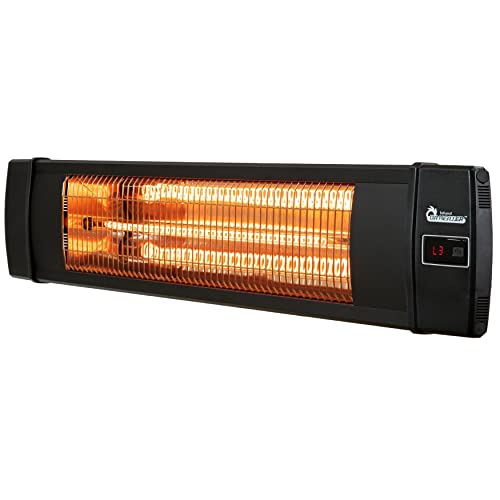
The DR-238 Is A Carbon Infrared Electric Heater Rated For Both Indoor And Outdoor Use (IP55). It Offers Three Power Settings — 900W, 1200W, And 1500W — Allowing Flexible Heat Output Using Standard 120V Power. The unit Delivers Clean, Instant, Odorless Infrared Heat And Is Supplied With A Remote For Convenience.
This model Is Best For Pole Barns That Are Partially Enclosed, Have Covered Work Areas, Or Need Targeted Heat For A Small Workbench Zone. Because It Uses 120V Plug-And-Go Operation, Installation Is Simple Compared To Hardwired Or Gas Heaters. The IP55 Rating Indicates Weather Resistance, But Adequate Mounting Height And Protection From Direct Exposure To Heavy Rain Or Snow Are Still Recommended.
Mr. Heater F260560 Big Maxx MHU80NG Natural Gas Unit Heater
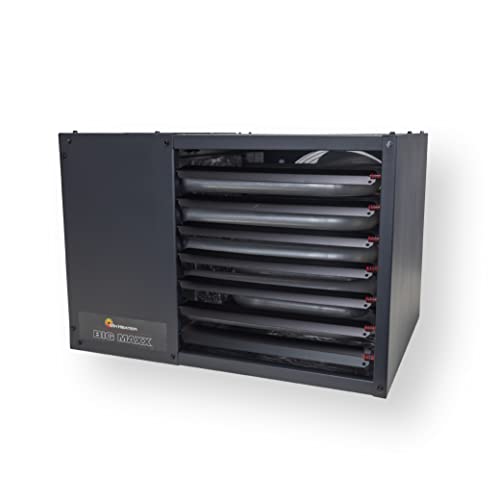
The Mr. Heater Big Maxx Is A Natural Gas Unit Heater With A Rated Output Of 80,000 BTU And Coverage Around 2,000 Square Feet (Manufacturer Guidance). The Unit Supports Category 1 Vertical Or Category 3 Horizontal Venting And Ships With Angle Brackets And A Propane Conversion Kit.
Call 888-896-7031 for Free Local HVAC Quotes – Compare and Save Today!
This Heater Suits Larger Pole Barns Where Fuel Supply Is Natural Gas Or Where Running High-Amperage Electric Service Is Not Feasible. It Requires Proper Venting, Adequate Clearances (Minimum 8 Ft From Floor To Base As Noted), And Professional Installation If You’re Not Familiar With Gas Appliances. Thermostat, Regulators, And Some Installation Components Are Typically Not Included, So Plan For Additional HVAC Supplies.
Dr. Infrared Heater DR-966 240-Volt Hardwired Shop Garage Heater

The DR-966 Is A Heavy-Duty 240V Single-Phase Electric Heater Offering Selectable 3000W Or 6000W Output And Designed For Wall Or Ceiling Mounting. It Is UL/CUL Listed, Hardwired (Power Cord Not Included), And Ships With A Bracket For Mounting.
This Unit Works Well For Pole Barns That Have 240V Service And Need A Robust Electric Solution Without Combustion Venting. The Higher Wattage Options Provide Faster Heat For Medium To Large Workshops, And The Hardwired Design Reduces Plug-and-cord Limitations. Professional Wiring Is Recommended For Safe Installation And To Ensure Circuit Capacity Matches The Unit’s Load.
Dr. Infrared 10,260 BTU Infrared Heater 3000W 220–240V
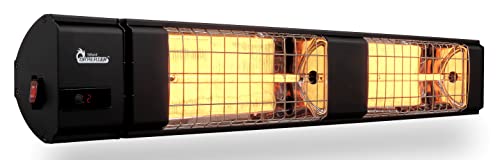
This Model Uses A Carbon Infrared Heating Element To Produce 10,260 BTU / 3000W At 220–240V Operation. The Unit Is Weatherproof (IP55), Includes A Power Plug, And Offers Remote Control With Two Power Levels Plus Standby Mode. It Is Designed For Ceiling Or Wall Mounting With Included Hardware.
Call 888-896-7031 for Free Local HVAC Quotes – Compare and Save Today!
The 3000W Output Makes This Heater Appropriate For Well-Insulated Or Moderately Sized Pole Barns Where Higher Temperature Rise Is Needed Compared To 120V Infrared Units. The Weatherproof Rating Also Allows Use In Covered Outdoor Work Areas. Consider Insulation, Ceiling Height, And Mounting Location To Maximize Infrared Heating Efficiency.
Heat Storm HS-1500-PHX-WIFI Infrared Wall Mounted Heater

The Heat Storm HS-1500-PHX-WIFI Is A Wall-Mounted Infrared Electric Heater With Wi‑Fi Control, A Digital Thermostat, And A Tip-Over Safety Feature (Wall-Mounted Use Recommended). It Offers Space-Saving Design For Areas Where Floor Space Must Be Preserved.
As A 1500W Unit, It Is Best Suited For Supplemental Heating Or Small Enclosed Zones Within A Pole Barn — For Example, A Heated Office, Small Workbench Area, Or Insulated Storage Bay. Wi‑Fi Control Allows Remote Temperature Adjustment, Which Is Useful For Pre-heating A Zone Before Use. Ensure Proper Mounting Height And Safety Clearances Per Manufacturer Guidance.
Buying Guide: Choosing The Right Pole Barn Heater
Selecting a pole barn heater requires matching heat output, fuel, installation needs, and safety features to your structure and usage patterns. Below are key considerations and comparative perspectives to guide a balanced decision.
1. Assess Heat Load And Coverage
Estimate Your Pole Barn’s Heat Load By Calculating Square Footage, Ceiling Height, And Insulation Quality. Large, Uninsulated Barns Require Much Higher BTU Or Wattage Than Small, Well-Insulated Spaces. Infrared Heaters Provide Direct Radiant Heat To Objects And People, While Forced-Air Or Unit Gas Heaters Heat Air Volume More Rapidly.
2. Fuel Type: Electric Versus Gas
- Electric Infrared / Electric Hardwired: Easier Installation (Plug Or Hardwire), No Venting Required, Cleaner Operation, But May Demand High-Amperage Circuits For Large Outputs.
- Natural Gas / Propane: Higher BTU Output And Lower Operating Cost In Some Regions; Requires Venting And Professional Installation; Better For Large Spaces.
3. Installation And Power Requirements
Check Available Power: 120V Units Offer Simple Plug-In Installation But Limited Output. 240V Hardwired Units Or Gas Heaters Deliver More Power But Require Professional Electrical Work Or Venting. Ensure Circuit Ratings, Breaker Size, And Permits Comply With Local Codes.
4. Indoor Air Quality And Venting Needs
Gas Heaters Produce Combustion Products That Must Be Vented Appropriately. For Enclosed Barns With Limited Ventilation, Electric Infrared Units Reduce Risk Of Combustion Byproducts. Consider Carbon Monoxide Monitoring If Using Gas.
5. Mounting, Placement, And Heat Distribution
Infrared Units Should Be Mounted To Direct Heat Toward Work Areas Or Equipment. Ceiling-Mounted Unit Heaters Distribute Warm Air Downward, While Wall-Mounted Infrared Panels Provide Targeted radiant heat. Consider multiple low-power units For Zonal Control Versus Single Large Unit For Whole-space Heating.
6. Durability And Weather Resistance
If Parts Of The Barn Are Open Or Semi-exposed, Choose Heaters With Weather Ratings (IP Ratings) Or Models Designed For Outdoor Use. Proper Mounting Brackets, Clearance, And Weather Protection Extend Service Life.
7. Safety Features And Controls
Look For Safety Protections Such As Tip-Over Shutoff (For Portable Or Wall Units Where Applicable), Overheat Protection, And Certified Listings (UL/CUL). Remote Controls, Built-In Thermostats, Or Wi‑Fi Capability Help Maintain Consistent Temperatures And Improve Efficiency.
8. Efficiency And Operating Cost Perspective
Compare Wattage/BTU Versus Coverage And Consider Local Electricity Or Gas Rates. Infrared Heat Can Be More Efficient In Intermittent Use Because It Warms People And Objects Directly. Continuous Whole-Barn Heating Often Favors Gas In Large, Poorly Insulated Spaces.
9. Insulation And Complementary Upgrades
Improving Insulation And Sealing Drafts Often Reduces Required Heater Size Significantly. Adding Reflective Insulation Or Upgrading Doors/Windows Improves heat retention and reduces runtime, which can lower operating costs regardless of heater type.
10. Maintenance And Serviceability
Consider Ease Of Access For Cleaning And Component Replacement. Gas Unit Heaters Require Periodic Vent And Burner Inspection, While Electric Infrared Panels Need Fewer Routine Services. Availability Of Replacement Parts And Local Service Should Factor Into Selection.
Comparative Perspectives
- Best For Large, Uninsulated Barns: High-BTU gas unit heaters with proper venting are typically more effective at maintaining whole-barn temperatures.
- Best For Insulated Or Sectioned Spaces: 240V electric infrared units or multiple 3000W panels provide strong, responsive heating with no combustion.
- Best For Targeted Work Areas: 120V infrared or 1500W wall-mounted Wi‑Fi heaters are cost-effective and convenient for spot heating.
- Best For Outdoor-Covered Workspaces: Weatherproof infrared units (IP55) give direct heat where airflow limits convection effectiveness.
Use The Above Considerations To Match Heater Type To Barn Size, Insulation, Fuel Availability, And Safety Requirements. Professional installation and adherence to local building and safety codes are recommended for gas and high-power electric systems.
Tips for Getting the Best HVAC Prices
- Prioritize Quality Over Cost
The most critical factor in any HVAC project is the quality of the installation. Don’t compromise on contractor expertise just to save money. - Check for Rebates
Always research current rebates and incentives — they can significantly reduce your overall cost. - Compare Multiple Quotes
Request at least three estimates before making your choice. You can click here to get three free quotes from local professionals. These quotes include available rebates and tax credits and automatically exclude unqualified contractors. - Negotiate Smartly
Once you've chosen a contractor, use the proven strategies from our guide — How Homeowners Can Negotiate with HVAC Dealers — to get the best possible final price.