
Summary: This guide highlights sealed combustion gas heaters and well-suited electric alternatives for indoor spaces. Sealed combustion units draw combustion air from outdoors and vent directly outside, reducing indoor air impact. Below is a quick comparison of the selected models to help you scan features at a glance.
| Model | Type | Key Features | Coverage / Output |
|---|---|---|---|
| Ashley Hearth DVAG11N | Sealed Combustion, Direct Vent Gas | 11,000 BTU, natural gas, sealed burn | Up To 375 Sq. Ft. |
| L.B. White Volt 3 | Electric Forced Air | Stainless coils, ambient thermostat, overheat protection | Compact Industrial/Workshop Use |
| De’Longhi EW7707CM | Oil-Filled Electric Radiator | ComfortTemp, thermal slot design, low surface temp | Room-Sized Coverage |
| Dreo 1500W PTC | PTC Ceramic Electric | Digital thermostat, remote, safety sensors | Small To Medium Rooms |
| WINHL 1500W PTC Tower | PTC Ceramic Electric | Oscillation, multiple modes, thermostat | Small Rooms / Offices |
Content Navigation
- Ashley Hearth DVAG11N 11,000 BTU Direct Vent Natural Gas Heater, Cream
- L.B. White Volt 3 Electric Forced Air Portable Heater W/Ambient Thermostat
- De’Longhi Oil Filled Radiator Heater, EW7707CM
- Dreo Space Heater, 1500W PTC Ceramic With Thermostat And Remote
- Space Heater, WINHL 17 Inches Electric Heaters with Oscillation
- Buying Guide: Choosing Between Sealed Combustion And Electric Alternatives
Ashley Hearth DVAG11N 11,000 BTU Direct Vent Natural Gas Heater, Cream

Brand: Ashley Hearth
This model is a sealed combustion direct vent gas heater designed for natural gas use. The unit’s 11,000 BTU heat input is specified to heat up to 375 sq. ft., which is typical for compact room heaters that rely on combustion. The sealed burn system isolates the combustion chamber from indoor air, which helps maintain indoor air quality and meets the classic definition of a sealed combustion appliance.
Features include a direct vent configuration suitable for bedrooms and living areas where code permits a direct vent installation. As a gas appliance, it requires correct venting, gas hookup, and potentially professional installation to meet safety and local code requirements.
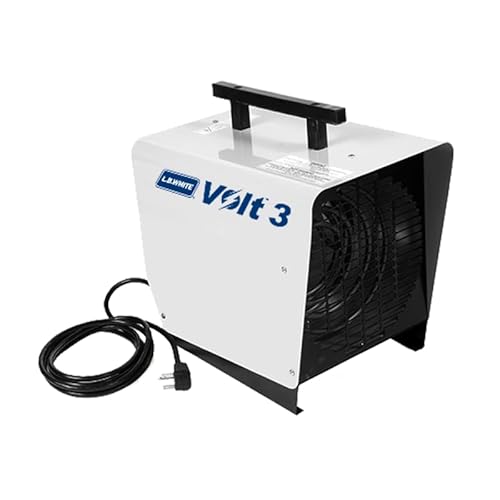
L.B. White Volt 3 Electric Forced Air Portable Heater W/Ambient Thermostat
Call 888-896-7031 for Free Local HVAC Quotes – Compare and Save Today!
Brand: L.B. White
This is an electric forced air heater designed for workshop, garage, or tent-style commercial use. It features a stainless-jacketed heating coil and powder-coated steel housing. The unit offers an ambient thermostat range from 32°F to 100°F and integrated overheat protection.
While not a sealed combustion heater, the Volt 3 represents an indoor-safe, combustion-free alternative when sealed combustion gas appliances aren’t feasible. The sealed motor and combustion-free design avoid combustion byproducts indoors. Suitable for spaces where portability and quick heat are priorities, but ventilation considerations differ from gas units.
De’Longhi Oil Filled Radiator Heater, EW7707CM

Brand: De’Longhi
This oil-filled electric radiator provides quiet, long-lasting heat retention with a thermal slot design to maximize thermal flow while keeping surface temperatures lower. The ComfortTemp feature is intended to maintain optimal temperature and improve energy efficiency by cycling power intelligently.
Call 888-896-7031 for Free Local HVAC Quotes – Compare and Save Today!
As an electric radiator, it’s inherently different from sealed combustion heaters in that there’s no combustion or venting. It’s a relevant alternative where sealed combustion installation isn’t possible or when homeowners prefer an electric, low-maintenance option that maintains room warmth after shutdown.
Dreo Space Heater, 1500W PTC Ceramic With Thermostat And Remote

Brand: Dreo
The Dreo PTC ceramic heater prioritizes fast heat delivery via a 1500W PTC element and an enhanced heat funnel design to push warm air farther. Safety features include tilt-detection, overheat protection, V0 flame retardant materials, and ETL certification. The unit offers a digital thermostat with 1°F increments for precise control, plus a remote.
This electric option suits bedrooms and offices as a combustion-free alternative. It doesn’t meet the sealed combustion definition, but it’s useful where outdoor air venting or gas lines make sealed combustion appliances impractical.
Space Heater, WINHL 17 Inches Electric Heaters with Oscillation

Brand: WINHL
This WINHL tower-style PTC ceramic heater features 70° oscillation, a built-in thermostat, and three adjustable power levels (700W/1000W/1500W). The oscillation expands effective coverage, while the thermostat automates power output based on room temperature.
As another electric alternative, the WINHL unit requires no venting and offers remote control convenience. It’s relevant for users comparing sealed combustion gas heaters with electric units regarding installation complexity, indoor air changes, and safety considerations.
Buying Guide: Choosing Between Sealed Combustion And Electric Alternatives
When evaluating sealed combustion space heaters and electric alternatives, consider the following key factors to match the unit to your needs and installation constraints.
Safety And Indoor Air Quality
- Sealed Combustion Advantages: Draws combustion air from outdoors and vents exhaust outside, reducing indoor carbon monoxide and humidity impacts compared with unvented gas heaters.
- Electric Alternatives: Produce no combustion byproducts and avoid venting requirements, making them suitable for tightly sealed homes and spaces sensitive to combustion products.
- Required Protections: For gas units, ensure proper venting, CO detectors, and professional installation per local code. For electric units, check tip-over protection, overheat cutoff, and ETL/UL certifications.
Installation And Venting
- Sealed Combustion Units: Require a direct vent run through an exterior wall or chimney. This can add installation complexity and cost but improves indoor air safety.
- Electric Units: Usually plug-and-play or hardwired for larger models. No exhaust or combustion air path is required, simplifying installation.
- Space Constraints: Verify clearance requirements and local code limitations for both vented gas and electric appliances.
Performance: Heat Output And Coverage
- BTU vs Watts: Gas heaters are rated in BTU (heat output), while electrics are rated in watts. Rough conversion: 1,000 watts ≈ 3,412 BTU. Match output to room size—11,000 BTU (example gas model) targets roughly 300–400 sq. ft. depending on insulation.
- Distribution: Forced-air units circulate warm air quickly; radiators and PTC heaters provide gentler, more even heat. Oscillation can improve coverage in electric tower heaters.
Energy Efficiency And Operating Cost Considerations
- Fuel Source: Natural gas may cost less per unit energy in many regions, but efficiency depends on appliance design and home heating system.
- Electric Models: Offer near-instant heat and convenient controls; however, electricity rates can make running high-wattage units costly for extended periods.
- Smart Controls: Thermostats, timers, and precise temperature increments can reduce runtime and energy use across both fuel types.
Use Case Comparisons
- Bedrooms & Living Rooms: Sealed combustion direct vent units are often preferred because they isolate combustion. Electric oil-filled radiators and PTC heaters provide combustion-free alternatives that are quieter and low-maintenance.
- Garages/Workshops/Tents: Portable forced-air electric heaters or specialized propane heaters (not covered here) are common. Ensure models rated for your environment and check for required ventilation.
- Safety-Sensitive Areas: For small enclosed areas without adequate venting, electric heaters avoid combustion risks. For larger homes needing supplemental heat, a sealed combustion unit can be efficient when properly installed.
Maintenance And Longevity
- Gas Sealed Combustion Units: Require periodic inspection of venting, burners, and gas connections. Professional tune-ups maintain safe operation and efficiency.
- Electric Heaters: Require minimal maintenance—cleaning dust from fins/fans and ensuring controls and safety switches operate properly.
Regulatory And Code Considerations
- Local Codes: Many jurisdictions have specific requirements for gas appliance venting, clearances, and installation permits. Verify with local building authorities before purchasing or installing a gas heater.
- Certifications: Look for ETL, UL, or CSA listings on electric units and Manufacturer compliance statements for gas appliances to ensure adherence to safety standards.
Feature Checklist For Final Selection
- Sealed Combustion Model: Confirm direct vent compatibility, BTU output that matches room size, and professional installation availability.
- Electric Alternatives: Check wattage settings, thermostat precision, safety features (tip-over, overheat), and whether oscillation or radiative retention is preferred.
- Controls And Convenience: Remote control, timers, digital displays, and fine thermostat increments can improve comfort and reduce energy use.
Use these comparison perspectives—air quality, venting complexity, fuel costs, heat distribution, safety features, and local code compliance—to choose the best type for your specific room and circumstances. Where a sealed combustion gas heater is desired, confirm venting feasibility and professional installation. Where venting or gas access is limited, consider one of the electric alternatives presented above for a combustion-free solution.
Tips for Getting the Best HVAC Prices
- Prioritize Quality Over Cost
The most critical factor in any HVAC project is the quality of the installation. Don’t compromise on contractor expertise just to save money. - Check for Rebates
Always research current rebates and incentives — they can significantly reduce your overall cost. - Compare Multiple Quotes
Request at least three estimates before making your choice. You can click here to get three free quotes from local professionals. These quotes include available rebates and tax credits and automatically exclude unqualified contractors. - Negotiate Smartly
Once you've chosen a contractor, use the proven strategies from our guide — How Homeowners Can Negotiate with HVAC Dealers — to get the best possible final price.