
Choosing the right indoor propane heater depends on room size, venting options, ignition type, and safety features. Below is a concise comparison of five reliable models that suit garages, cabins, sunrooms, and workshops.
| Product | Type | Heat Output | Coverage |
|---|---|---|---|
| Mr. Heater Portable Buddy MH9BX | Portable Radiant | 4,000–9,000 BTU | Up to 225 sq. ft. |
| Mr. Heater 4k–18k Dual Tank | Portable LP Unit | 4,000–18,000 BTU | Up to 450 sq. ft. |
| Mr. Heater 20,000 BTU Blue Flame | Vent-Free Wall Heater | 20,000 BTU | Up to 700 sq. ft. |
| Dyna-Glo 30,000 BTU Infrared | Vent-Free Infrared Wall | 6,000–30,000 BTU | Up to 1,000 sq. ft. |
| OKF 6k–18k Portable Heater | Portable LP Unit | 6,000–18,000 BTU | Up to 450 sq. ft. |
Content Navigation
- Mr. Heater Portable Buddy MH9BX
- Mr. Heater 4k To 18k Portable LP
- Mr. Heater 20k Blue Flame Vent Free
- Dyna-Glo 30k Infrared Vent Free
- OKF 6k To 18k Propane Heater
- Buying Guide: Choosing An Indoor Propane Heater
- 1. Heat Output And Room Size
- 2. Type: Radiant Vs. Blue Flame Vs. Infrared
- 3. Venting And Indoor Air Quality
- 4. Safety Features
- 5. Fuel Connection And Run Time
- 6. Controls And Ignition
- 7. Installation And Placement
- 8. Energy Efficiency And Cost Considerations
- 9. Noise And Durability
- 10. Code, Safety Standards, And Warranties
- Comparative Perspectives
Mr. Heater Portable Buddy MH9BX
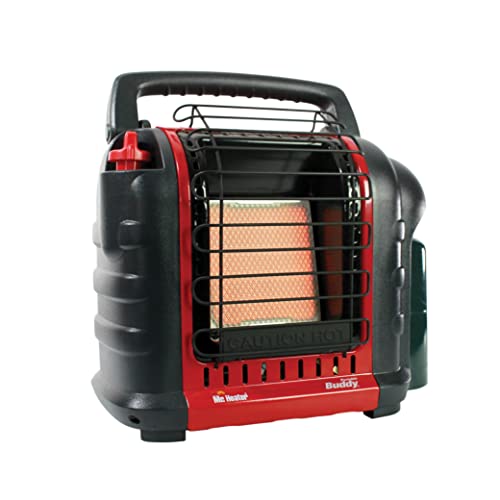
The Mr. Heater Portable Buddy MH9BX is a compact, radiant propane heater designed for small enclosed spaces such as campers, workshops, and garages. It provides 4,000 to 9,000 BTU with infrared technology that warms people and objects directly rather than just heating air.
- Radiant Heat provides sun-like warmth and is suitable for targeted heating in spaces up to about 225 sq. ft.
- Safety Features include an enhanced tip-over switch that audibly engages if the unit is disturbed, and an oxygen depletion sensor is typical for indoor use models.
- Ignition uses a Piezo igniter for match-free startup; no external power required.
This unit is portable and lightweight, offering quick, direct heat where needed. It’s optimized for close-range comfort rather than whole-room heating.
Mr. Heater 4k To 18k Portable LP
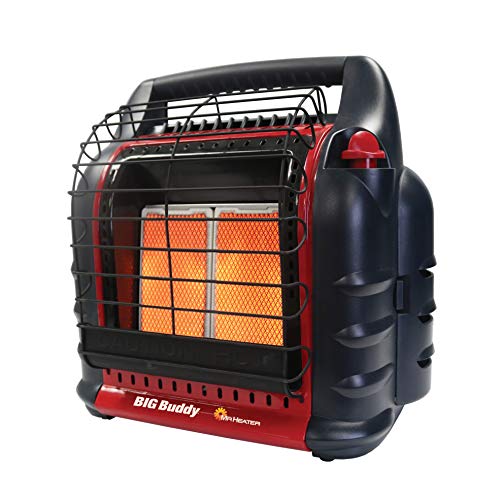
The Mr. Heater 4k–18k portable LP heater features selectable BTU settings of 4,000, 9,000, and 18,000 for flexible heating. It supports connection to larger tanks (with additional hose/filter) for extended run time and greater capacity.
Call 888-896-7031 for Free Local HVAC Quotes – Compare and Save Today!
- Variable Output allows adjustment for different space requirements and fuel economy.
- Coverage up to approximately 450 sq. ft. at higher settings, suitable for larger garages or covered patios.
- Safety includes an automatic shutoff in case of tip-over and reliable Piezo ignition.
This model balances portability with higher output capability, making it a choice for users needing more heat than small radiant units provide while retaining straightforward controls.
Mr. Heater 20k Blue Flame Vent Free
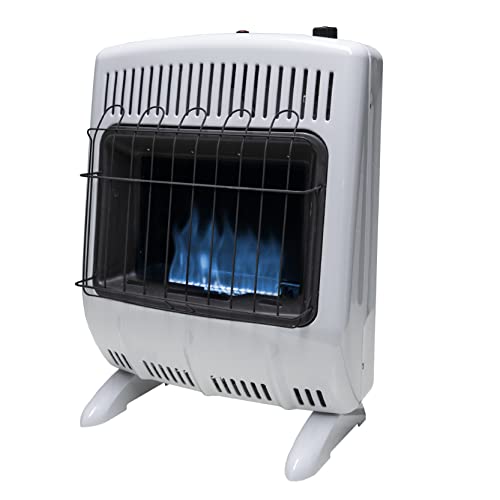
The Mr. Heater MHVFBF20LPT is a vent-free blue flame wall heater engineered for indoor installations like additions, sunrooms, cabins, and garages. It provides a steady 20,000 BTU output and includes a thermostat for temperature regulation.
- Vent-Free Design means no external venting is required, offering higher useful heat but requiring attention to indoor air quality and code compliance.
- ODS Safety (Oxygen Depletion Sensor) automatically shuts the unit off if oxygen levels drop below safe thresholds.
- Electronic Ignition (battery-powered) simplifies startup and includes accurate thermostat control.
Vent-free blue flame units deliver efficient whole-room heating. Installation location and local building codes should be reviewed before selecting a vent-free appliance.
Dyna-Glo 30k Infrared Vent Free

The Dyna-Glo IR30PMDG-1 is a higher-capacity vent-free infrared wall heater offering 6,000 to 30,000 BTU output. Infrared heating warms surfaces and occupants directly, which can feel more efficient in large, open spaces.
Call 888-896-7031 for Free Local HVAC Quotes – Compare and Save Today!
- Wide Output Range enables use from small gains to large-area heating, rated for up to about 1,000 sq. ft. at maximum output.
- Infrared Technology reduces wasted heat loss by warming objects first rather than solely conditioning air.
- Vent-Free operation requires consideration of indoor air quality and adherence to local codes or manufacturer installation requirements.
High-output infrared wall heaters suit large garages or workshops where rapid, occupant-focused comfort is preferred over whole-house heating.
OKF 6k To 18k Propane Heater

The OKF Propane Heater provides three heat settings: 6,000, 12,000, and 18,000 BTU. It includes a pulse ignition system, an oxygen depletion sensor (ODS), and tip-over protection for indoor or covered outdoor use.
- Pulse Ignition is designed for durability and ease of start compared to traditional piezo igniters.
- Run Time on low settings can be extended for longer usage without electricity, useful during outages.
- Safety features automatically shut off gas supply if low oxygen or tip-over is detected.
This heater targets users who want adjustable output and safety features in a portable package for garages, covered patios, and job-site heating.
Buying Guide: Choosing An Indoor Propane Heater
Selecting the right indoor propane heater requires balancing heat output, installation type, safety features, and venting requirements. Below are key considerations and comparison perspectives.
1. Heat Output And Room Size
Assess the area you need to heat in square feet. Portable radiant heaters are effective for focused spots (up to ~225 sq. ft.), while higher-output wall or vent-free units can service larger rooms (450–1,000+ sq. ft.). Match BTU capacity to the space and insulation quality.
2. Type: Radiant Vs. Blue Flame Vs. Infrared
Radiant Heaters warm people and objects directly and are efficient for close-range comfort. Blue FlameInfrared
3. Venting And Indoor Air Quality
Vent-Free
4. Safety Features
Look for ODS (Oxygen Depletion Sensor), tip-over shutoff, and reliable ignition methods. Electronic or pulse ignitions reduce the need for matches. Ensure any portable model has automatic shutoff features and cool-touch surfaces or guards where applicable.
5. Fuel Connection And Run Time
Portable units attach to 20 lb tanks; some models allow dual-tank connections or larger tank use. Consider run time at the typical setting you will use and whether you need extended operation without refueling.
6. Controls And Ignition
Thermostatic control provides steady room temperatures for wall units. Portable models often use simple control knobs with Piezo or pulse ignition systems. Battery-powered electronic ignitions are convenient for repeated startups.
7. Installation And Placement
Wall-mounted vent-free heaters require professional or careful DIY installation to meet codes and ensure proper clearances. Portable radiant and tabletop units offer plug-and-play portability but must be positioned away from flammable materials.
8. Energy Efficiency And Cost Considerations
Compare efficiency in terms of usable heat delivered to the space. Radiant heating may reduce perceived energy use by focusing warmth, while vent-free units convert most fuel to room heat. Evaluate operating hours and fuel consumption at typical settings.
9. Noise And Durability
Consider ignition noise and any fan operation. Pulse ignition and high-quality valves may offer longer service life. Choose a build appropriate for the environment—outdoor-rated, corrosion-resistant finishes for damp garages or unheated spaces.
10. Code, Safety Standards, And Warranties
Confirm that the heater meets relevant safety standards and local building regulations for indoor propane appliances. Check manufacturer warranty and availability of replacement parts and service.
Comparative Perspectives
When comparing models, weigh portability versus whole-room heating. Portable radiant units (Mr. Heater Buddy) excel for spot warmth and portability. Vent-free wall units (Mr. Heater Blue Flame, Dyna-Glo) provide whole-room output but need proper ventilation planning. Mid-range portable multi-output units (Mr. Heater 4k–18k, OKF) bridge portability and higher-capacity heating for larger garages and covered spaces.
Prioritize safety features when using propane indoors. Models with ODS, tip-over protection, and reliable ignition offer layered safeguards. Finally, match the heater to the intended use case—occasional spot heating, frequent whole-room comfort, or large workspace warmth—and follow installation and operating instructions for safe performance.
Tips for Getting the Best HVAC Prices
- Prioritize Quality Over Cost
The most critical factor in any HVAC project is the quality of the installation. Don’t compromise on contractor expertise just to save money. - Check for Rebates
Always research current rebates and incentives — they can significantly reduce your overall cost. - Compare Multiple Quotes
Request at least three estimates before making your choice. You can click here to get three free quotes from local professionals. These quotes include available rebates and tax credits and automatically exclude unqualified contractors. - Negotiate Smartly
Once you've chosen a contractor, use the proven strategies from our guide — How Homeowners Can Negotiate with HVAC Dealers — to get the best possible final price.