
Choosing the right marine boat heater protects engines, plumbing, batteries and comfort onboard. The table below summarizes five top bilge and cabin heaters selected for reliability, safety certifications, wattage range and use cases. Each product section links to the Amazon listing and shows the product image.
| Product | Brand | Wattage / Type | Key Feature |
|---|---|---|---|
| Boat Engine Compartment Heater | 400w | Xtreme Heaters | 400W Bilge Heater | Self-regulating PTC, 58 CFM waterproof fan |
| Twin Hornet 45 700w | Intotal | 700W Bilge Heater | Stainless steel heating module, waterproof fan |
| Caframo SEEKR 1365 BTU / 400W | CAFRAMO | 400W Bilge Heater | Ignition-proof, dual fan redundancy |
| BoatSafe Max 1000W | BoatSafe Heaters | 1000W Bilge Heater | High-capacity, designed for cold protection |
| Boat Engine Compartment Heater with Thermostat 800W | Therelmax | 800W Bilge Heater | Adjustable thermostat, fast PTC heating |
Content Navigation
- Boat Engine Compartment Heater | 400w Marine Certified Bilge Heater
- Twin Hornet 45 700w Boat Bilge Engine Compartment Heater
- Caframo SEEKR Boat Engine Compartment Heater With Thermostat
- BoatSafe Max 1000W Boat Engine Compartment Heater
- Boat Engine Compartment Heater With Thermostat, 800W
- Buying Guide: How To Choose The Right Marine Boat Heater
- 1. Application And Placement
- 2. Safety And Certifications
- 3. Wattage And Heat Output
- 4. Heating Technology
- 5. Thermostat And Controls
- 6. Airflow, Fans And Redundancy
- 7. Mounting, Orientation And IP Rating
- 8. Materials And Corrosion Resistance
- 9. Power Source And Installation
- 10. Intended Use Cases And Versatility
- 11. Maintenance And Serviceability
- Comparison Perspectives
Boat Engine Compartment Heater | 400w Marine Certified Bilge Heater

This Xtreme Heaters model is sized for engine compartments, underbellies and small bilges. It uses a self-regulating PTC element that cycles on at 40°F and off at 55°F to maintain consistent compartment temperatures. The unit is reported as 10% smaller than previous models while adding 150 watts of output compared to older variants.
- Safety & Durability: Anodized case and sealed electronics module.
- Fan: 58 CFM waterproof fan intended for marine wet locations.
- Mounting: Multi-orientation mounting, even upside down.
- Use cases: Engine compartments, cabins, greenhouses, RV underbellies.
This type of heater is designed for continuous protection in cold weather and aims to reduce freeze-related engine and plumbing damage while being compact for tight bilge spaces.
Twin Hornet 45 700w Boat Bilge Engine Compartment Heater

The Intotal Twin Hornet 45 is built for wet, volatile spaces and emphasizes ignition protection and robust materials. It uses a patented stainless steel heating module and includes waterproof fans and controls intended for marine applications.
Call 888-896-7031 for Free Local HVAC Quotes – Compare and Save Today!
- Wet Location Use: Designed to be safe in wet locations and around combustible gases.
- Heating Module: Stainless steel, next-generation design for longevity.
- Self-Regulating: SAFE self-temperature regulating heating modules reduce overheating risk.
- Reliability: Waterproof fans, controllers and thermostats for harsh marine environments.
With 700W output this heater suits larger engine compartments or boats operating in colder ambient conditions where additional heat and corrosion resistance are priorities.
Caframo SEEKR Boat Engine Compartment Heater With Thermostat

The CAFRAMO SEEKR follows marine industry safety guidelines, meeting ignition protection standards such as USCG and UL-1500 for bilge use. It incorporates a self-regulating PTC element and employs dual fans to provide redundancy should one fan fail.
- Certification: Meets ignition protection requirements for bilge compartments.
- Redundancy: Two fans for added security and continued airflow if one fan fails.
- Self-regulating Element: PTC heating element reduces likelihood of overheating.
- Target Use: Designed specifically for bilges and engine compartments where regulatory compliance is important.
This model is focused on compliance, safety and continued operation in the presence of fuel vapors, making it a common choice for vessels where meeting standards matters.
BoatSafe Max 1000W Boat Engine Compartment Heater

The BoatSafe Max is positioned as a high-capacity option for extended protection in colder climates. At 1000W it offers greater heat output intended to extend boating season and prevent freezing in larger compartments or boats with more thermal loss.
Call 888-896-7031 for Free Local HVAC Quotes – Compare and Save Today!
- High Output: 1000W designed for larger bilges and colder conditions.
- Application: Multi-use for boats, RVs and campers where increased heating is required.
- Build: Marketed as durable and easy to install for seasonal protection.
Systems with higher wattage are useful where ambient temperatures are very low or where a single unit needs to protect a larger volume. Consider electrical capacity and circuit protection when selecting this level of output.
Boat Engine Compartment Heater With Thermostat, 800W
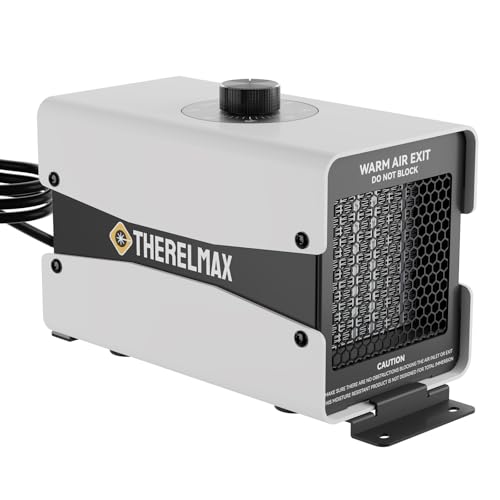
The Therelmax 800W marine heater integrates an adjustable thermostat and a PTC ceramic heating element that claims rapid heat-up. The thermostat range and recommended setpoints give the user control over compartment temperatures to protect pumps and plumbing from freezing.
- Adjustable Thermostat: User control with recommended setpoint references for bilge use.
- Fast Heating: 3-second response claim from the PTC element for rapid protection.
- Versatility: Applicable to bilges, RV bays, greenhouses and lithium battery warmers.
- Protection Goal: Prevent freezing damage and reduce winterizing needs.
This mid-to-high wattage option balances power and control, useful for operators who want thermostat control and faster warm-up times for critical components.
Buying Guide: How To Choose The Right Marine Boat Heater
Selecting the appropriate marine heater requires matching the heater’s features to your vessel, operating conditions and safety requirements. Below are the key considerations to evaluate.
1. Application And Placement
Determine whether the heater will protect an engine compartment/bilge, cabin or freshwater plumbing. Bilge-rated heaters require ignition protection and materials suitable for wet environments. Cabin heaters may prioritize comfort and tip-over or CO safety features for occupied spaces.
2. Safety And Certifications
For bilge or engine compartment use, look for ignition-proof ratings and compliance with standards such as USCG or UL-1500. Redundancy features like dual fans can reduce single-point failure risk. Corrosion-resistant materials and sealed electronics improve longevity in marine environments.
3. Wattage And Heat Output
Match wattage to compartment volume and expected ambient temperatures. Lower-wattage units (around 400W) suit small bilges and mild climates. Mid-range (700–800W) options provide more protection in moderate cold. High-wattage (1000W+) units are for larger spaces or severe cold. Verify your boat’s available AC supply and circuit protection before choosing high-wattage units.
4. Heating Technology
PTC (positive temperature coefficient) elements are common and self-regulating, reducing overheating risk. Ceramic PTC heats quickly. Stainless steel heating modules offer durability. Consider how quickly the heater must respond and whether self-regulating behavior or thermostat control is preferred.
5. Thermostat And Controls
An adjustable thermostat allows fine control of minimum compartment temperatures to prevent freezing without unnecessary runtime. Some units have fixed turn-on/turn-off thresholds that simplify use but offer less customization.
6. Airflow, Fans And Redundancy
A waterproof fan ensures airflow and helps distribute heat. Higher CFM helps heat larger compartments but may increase power draw and potential noise. Dual-fan redundancy protects against a single fan failure, particularly important in engine compartments.
7. Mounting, Orientation And IP Rating
Confirm mounting options and whether the heater can be installed in multiple orientations. Marine use benefits from higher ingress protection (IP) ratings and sealed electronics to resist moisture and spray.
8. Materials And Corrosion Resistance
Marine heaters exposed to bilge moisture and salt air should use corrosion-resistant metals and sealed electronics. Titanium coils are used in A/C units for corrosion resistance; for heaters, stainless steel and anodized housings increase lifespan.
9. Power Source And Installation
Most bilge heaters plug into onboard AC supply; confirm voltage compatibility and shore/generator availability. High-wattage heaters may require dedicated circuits or breaker sizing adjustments. Installation should follow manufacturer wiring and bonding guidance.
10. Intended Use Cases And Versatility
Some units advertise multi-use capability for boats, RVs, greenhouses or battery warming. If you plan cross-application use, prioritize thermostatic control, durable housings and mounting flexibility.
11. Maintenance And Serviceability
Look for sealed electronics and fan access for maintenance. Manufacturers with marine-specific support and documentation simplify troubleshooting and long-term upkeep.
Comparison Perspectives
- Safety-Focused: Choose heaters meeting ignition protection and UL/USCG standards with redundancy (e.g., Caframo SEEKR).
- High-Output Needs: For larger bilges or very cold climates, consider higher wattage units (BoatSafe Max 1000W or similar).
- Compact/Low-Draw: Smaller, self-regulating PTC units (400W) are suitable where electrical capacity is limited.
- Durability Emphasis: Stainless steel heating modules and waterproof fans improve service life in corrosive environments (Twin Hornet).
- Control Preference: If temperature tuning matters, pick models with adjustable thermostats (Therelmax 800W).
When selecting a marine heater, cross-check technical specs, certifications and installation requirements against your vessel’s layout and electrical system. Properly installed and matched to the mission, a marine heater reduces freeze risk and protects critical components while meeting safety expectations.
Tips for Getting the Best HVAC Prices
- Prioritize Quality Over Cost
The most critical factor in any HVAC project is the quality of the installation. Don’t compromise on contractor expertise just to save money. - Check for Rebates
Always research current rebates and incentives — they can significantly reduce your overall cost. - Compare Multiple Quotes
Request at least three estimates before making your choice. You can click here to get three free quotes from local professionals. These quotes include available rebates and tax credits and automatically exclude unqualified contractors. - Negotiate Smartly
Once you've chosen a contractor, use the proven strategies from our guide — How Homeowners Can Negotiate with HVAC Dealers — to get the best possible final price.