
Small forced air heaters offer quick, directed warmth for garages, workshops, bedrooms, and offices. Below is a concise comparison of five compact options selected for portability, power type, and safety features to help narrow your search.
| Product | Type | Key Feature |
|---|---|---|
| Dura Heat EUH1465 Electric Forced Air Heater | Electric | PTC Ceramic 1500W, Pivoting Base |
| Comfort Zone CZ35E Portable Fan Forced Heater | Electric | Adjustable Thermostat, Energy Save Tech |
| Mr. Heater 1500W Portable Ceramic Forced Air | Electric | 1500W / Heats Up To 170 Sq Ft |
| Honeywell HHF360V 360 Degree Surround Fan Heater | Electric | 360° Surround Heat Output |
| Dura Heat EWH5510 Electric Forced Air Heater (Large) | Electric (Hard-Wired) | 17,060 BTU, Remote Control, 240V |
Content Navigation
Dura Heat EUH1465 Electric Forced Air Heater
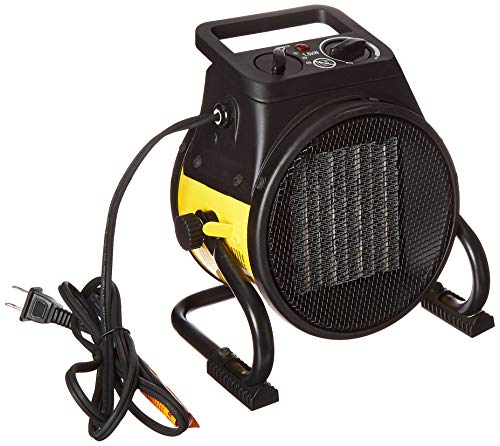
Type: Electric PTC ceramic forced air. Power: 1500W providing rapid warm air for small spaces. The unit is built with a rugged steel construction suited for garages, workshops, and commercial use. Users can select between heat and fan-only settings, allowing operation as a circulator without heating. The pivoting base focuses airflow direction.
Safety and durability features are consistent with compact forced air electric heaters. This model emphasizes a durable chassis and versatile heating options, making it suitable where a portable, concentrated heat source is needed.
Comfort Zone CZ35E Portable Fan Forced Heater
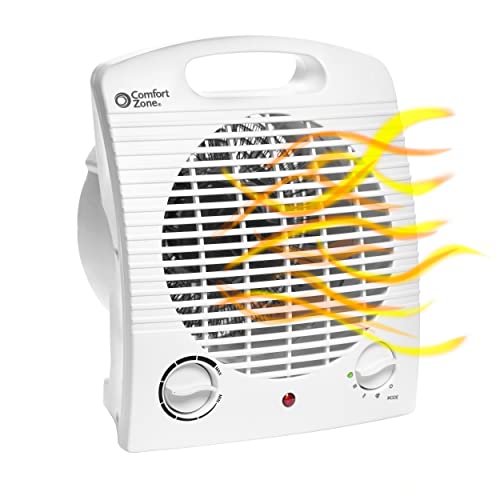
Type: Electric fan-forced space heater. This model provides multiple heat settings (including 600W and 1500W ranges) and an adjustable thermostat for temperature control. The manufacturer cites an Energy Save Technology that improves efficiency relative to prior versions.
Call 888-896-7031 for Free Local HVAC Quotes – Compare and Save Today!
Additional built-in safety measures include overheat protection and tip-over switch functionality. The design targets home, bedroom, and office use where adjustable comfort and energy considerations are priorities.
Mr. Heater 1500W Portable Ceramic Forced Air

Type: Electric ceramic forced air. Rated at 1500 watts / 120 volts, it delivers approximately 5,118 BTU per hour and is listed to heat areas up to 170 square feet. The ceramic element provides rapid warming and typically offers stable surface temperatures compared with exposed elements.
The compact footprint supports portability between rooms or work areas. Performance metrics focus on heat output relative to square footage, making it straightforward to match the unit to small interior spaces.
Honeywell HHF360V 360 Degree Surround Fan Heater

Type: Fan-forced surround heater designed for small to mid-sized rooms. The 360-degree heat output redistributes warm air all around the unit rather than projecting in a single direction, which can produce more even ambient warmth in compact spaces.
Call 888-896-7031 for Free Local HVAC Quotes – Compare and Save Today!
Key safety features include tip-over protection, double overheat protection, and an auto-off timer. The unit provides two heat settings and an adjustable thermostat, intended for bedrooms, offices, and personal zones needing even surround warmth.
Dura Heat EWH5510 Electric Forced Air Heater Large

Type: Hard-wired electric garage heater. Rated at 17,060 BTU (5,000W) and intended for coverage up to 750 square feet; this model is significantly larger than compact plug-in heaters and requires professional installation on a 240V circuit.
Features include remote control, an LED display with thermostat setpoints, and broad-area air distribution. While larger than other items in this list, it represents a forced air approach for whole-garage applications where a permanent, high-output solution is desired.
Buying Guide: Choosing The Right Small Forced Air Heater
Selecting a small forced air heater involves matching heat output, safety features, power source, and intended space. Below are factors to weigh with practical comparisons to guide a purchase decision.
1. Power Source And Installation
- Plug-In Electric (120V): Most small forced air heaters are plug-in 120V units offering 600–1500W. These are portable, require no installation, and suit bedrooms, offices, and workshops.
- Hard-Wired Electric (240V): Higher-output garage heaters require professional installation and provide larger coverage. Consider this option only for whole-room heating needs.
- Propane Forced Air: Propane units deliver high BTU for large open spaces but introduce ventilation and fuel safety considerations; they are less suitable for small indoor rooms.
2. Heat Output Vs. Room Size
- 1500W / ~5,000 BTU: Typical for small rooms up to ~170 sq ft depending on insulation and ceiling height.
- Higher BTU Models: Models rated in the tens of thousands of BTU are designed for garages or industrial spaces and will be overspec for bedrooms.
- Estimate needs based on square footage and intended use: task heating or whole-room warmth.
3. Heating Technology
- PTC Ceramic Elements: Provide rapid heat, stable surface temps, and often self-limiting behavior for safety.
- Fan-Forced Heaters: Move warmed air quickly; useful for directed heating and faster reach of set temperature.
- 360° Surround Designs: Spread heat more evenly in smaller spaces rather than projecting a focused stream.
4. Safety Features
- Tip-Over Switch: Shuts power off if the unit falls—essential for portable models in living spaces.
- Overheat Protection: Automatic cut-off prevents damage from blocked vents or internal faults.
- Construction And Housing: Metal housings for workshop use; cool-touch plastics and handles for bedroom or office units.
5. Energy Efficiency And Controls
- Adjustable Thermostat: Helps maintain target temperature and reduce runtime.
- Multiple Heat Settings: Allow lower power modes for milder days and energy savings.
- Energy Save Claims: Verify whether features reduce power consumption via thermostatic control rather than continuous max output.
6. Portability And Installation Requirements
- Weight And Handles: Consider portability if moving between rooms or job sites is required.
- Mounting Or Fixed Installation: Hard-wired units need professional installation and are permanent.
- Cord Length And Plug Type: Ensure compatibility with available outlets and avoid extension cords unless rated for heater loads.
7. Noise Level And Application
- Fan Noise: Fan-forced models produce motor and airflow sound; check product notes for quieter operation if used in bedrooms or offices.
- Quiet Burner/ QBT Tech: Larger propane models may offer quieter combustion, but propane units still produce operational noise unsuitable for small living spaces.
8. Maintenance And Durability
- Filter Or Intake Access: Some units allow cleaning of intake to maintain airflow.
- Construction Materials: Metal housings withstand workshop use; plastic housings are common for personal indoor units.
- Expected Use Case: Choose models rated for continuous operation in garages if that is required.
9. Comparison Perspectives
- Personal/Bedroom Use: Prioritize plug-in 1500W ceramic or 360° surround units with tip-over and overheat protection.
- Portable Workshop/Jobsite: Look for rugged steel construction, pivoting bases for directed airflow, and durable cords.
- Whole-Garage Heating: Consider hard-wired high-output forced air electric units with professional installation for even coverage.
- Fuel Availability And Ventilation: Propane models provide high heat but require ventilation and fuel logistics; electric options avoid combustion concerns.
When choosing, match the heater’s reported coverage and BTU/watt rating to your room size, confirm safety features appropriate for the setting, and choose the power configuration—plug-in or hard-wired—that aligns with installation capabilities.
Tips for Getting the Best HVAC Prices
- Prioritize Quality Over Cost
The most critical factor in any HVAC project is the quality of the installation. Don’t compromise on contractor expertise just to save money. - Check for Rebates
Always research current rebates and incentives — they can significantly reduce your overall cost. - Compare Multiple Quotes
Request at least three estimates before making your choice. You can click here to get three free quotes from local professionals. These quotes include available rebates and tax credits and automatically exclude unqualified contractors. - Negotiate Smartly
Once you've chosen a contractor, use the proven strategies from our guide — How Homeowners Can Negotiate with HVAC Dealers — to get the best possible final price.