
Electric register heaters and register booster fans are designed to deliver targeted, fast heat or improve HVAC airflow from vents. Below is a concise comparison of top options that suit wall/ceiling/floor registers, small rooms, and garage spaces.
| Product | Type | Key Feature |
|---|---|---|
| Cadet Register Series RMC151W | Wall/Register Heater | Fan-forced, 500/1000/1500W, 120V |
| Cadet RMC162W Register Wall Heater | In-Wall Fan-Forced Heater | 240/208V, quiet squirrel cage blower |
| 9815WH Large Capacity Wall Heater | Wall Heater With Thermostat | 1500W, 120/240V option, silent motor |
| Yusuuo Register Booster Fan | Built-In Vent Fan | Fits 4″x10″ ducts, 10-speed, smart control |
| Dura Heat EUH1465 Forced Air Heater | Portable Forced-Air Heater | 1500W PTC ceramic, rugged steel, pivot base |
Content Navigation
- Cadet Register Series Electric Wall Heater RMC151W
- Cadet Register Wall Heater Manual Reset RMC162W
- 9815WH Large Capacity Electric Wall Heater With Thermostat
- Yusuuo Built-In Register Booster Fan With Cover
- Dura Heat EUH1465 Electric Forced Air Heater With Pivoting Base
- Buying Guide: How To Choose An Electric Register Heater Or Booster Fan
- 1. Type And Intended Use
- 2. Power, Voltage, And Heating Capacity
- 3. Installation And Wiring
- 4. Control Options And Thermostats
- 5. Noise, Airflow, And Comfort Distribution
- 6. Safety Features And Certifications
- 7. Durability And Environment
- 8. Comparing Register Heaters Vs. Booster Fans
- 9. Sizing And Performance Expectations
- 10. Installation And Local Codes
Cadet Register Series Electric Wall Heater RMC151W
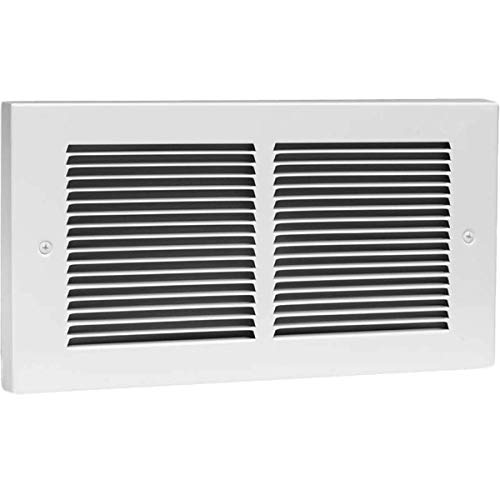
Type: Fan-forced wall/register heater. Power: 500/1000/1500 watts at 120 volts. This model uses a fan to circulate heated air through a register appearance that integrates with wall vents.
Features listed by the manufacturer highlight quiet operation for small to medium rooms and the ability to warm areas up to approximately 200 square feet when properly sized. The multi-watt settings provide flexibility for heat output and energy use.
Installation typically replaces a wall register and requires appropriate electrical supply. This unit is commonly chosen where a compact register-style electric heater is preferred over baseboard or portable units due to its in-wall footprint and directed airflow.
Cadet Register Wall Heater Manual Reset RMC162W
Call 888-896-7031 for Free Local HVAC Quotes – Compare and Save Today!
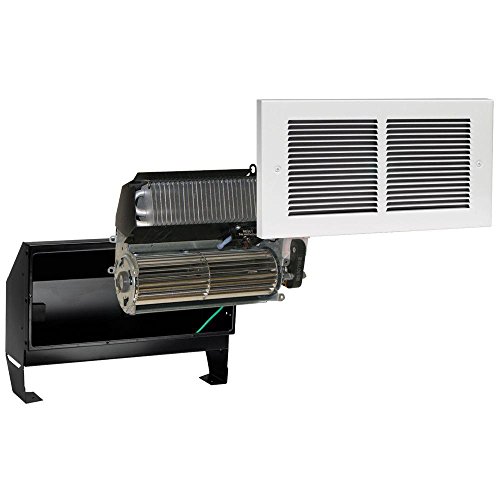
Type: In-wall fan-forced register heater. Voltage: 240/208V. Described as part of Cadet’s Register Plus line, this model incorporates a large squirrel-cage blower for increased airflow.
Manufacturer features include a design resembling a central system vent for aesthetic integration, and increased airflow allow lower surface temperatures while moving more air into the space. The manual reset and fan-forced design are typical for register-type in-wall heaters used in whole-room supplemental heating.
This model is suited for installations where higher-voltage circuits are available and where sustained airflow is needed to distribute heat beyond the immediate register opening. Professional installation is recommended for 240/208V wiring.
9815WH Large Capacity Electric Wall Heater With Thermostat

Type: Wall-mounted heater with built-in adjustable thermostat. Power: 1500 watts; factory-wired for 120V with option for 240V wiring conversion by installer.
Key features include louvers for even heat distribution, a claimed quiet copper motor, and overheat protection. The built-in thermostat enables temperature control directly at the unit, which is useful for rooms that need independent regulation from central HVAC.
Call 888-896-7031 for Free Local HVAC Quotes – Compare and Save Today!
This unit targets homeowners who want a quiet wall-mounted solution that can be adapted to different voltages. Verify wiring configurations and local electrical codes prior to conversion between 120V and 240V.
Yusuuo Built-In Register Booster Fan With Cover

Type: Register booster fan designed to fit 4″x10″ vents. Control: Smart control with 10 speeds and remote, includes temperature sensing and quiet motor technology.
Features emphasize improved whole-house airflow by boosting weak HVAC vents, ultra-quiet operation, and multiple speeds for tailored airflow. The product aims to alleviate rooms with poor supply air rather than produce heat independently.
Use cases include bedrooms, offices, or problem rooms where HVAC supply is limited by long duct runs or restrictive registers. The unit’s smart modes and temperature sensing allow it to run based on duct temperature or a setpoint, which can improve perceived comfort with central heating or cooling systems.
Dura Heat EUH1465 Electric Forced Air Heater With Pivoting Base
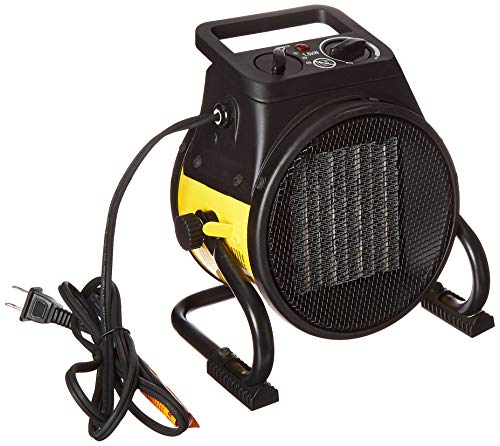
Type: Portable forced-air electric heater using a PTC ceramic element. Power: 1500W with heat and fan-only settings.
Manufacturer features note rugged steel construction aimed at garages and workshops, quick PTC ceramic heating, and a pivoting base that directs airflow. This unit functions as a portable targeted heat source rather than an in-wall register heater.
It can act as a supplement to register heaters when localized quick heat is needed or when electrical wiring or layout prevents in-wall installation. Consideration should be given to the intended location (garage/workshop) and the need for durable housing.
Buying Guide: How To Choose An Electric Register Heater Or Booster Fan
Choosing the right register heater or booster involves evaluating several objective factors. Below are key considerations and comparison perspectives to guide selection and installation.
1. Type And Intended Use
- Register/Wall Heaters: In-wall or register-mounted fan-forced units provide directed heat from a wall opening and integrate visually with vent covers.
- Booster Fans: Designed to improve airflow from existing HVAC ducts and vents. They don’t generate heat but increase delivery of conditioned air.
- Portable Forced-Air Heaters: Standalone units that generate heat quickly for spot-warming; useful where hardwiring is not practical.
2. Power, Voltage, And Heating Capacity
- Wattage Matters: Typical register heaters and portable units range from 500W to 1500W for residential use. Higher wattage equals more heat output but requires compatible circuit capacity.
- Voltage Requirements: Some register heaters are available in 120V or 240V. Higher voltage units (240V) can deliver more sustained heat but need proper wiring and professional installation.
- Coverage Estimates: Manufacturers may estimate square-foot coverage; use these as approximate guides while considering insulation, ceiling height, and room layout.
3. Installation And Wiring
- In-Wall/Register Units: These usually replace an existing register or install into a wall cavity and require electrical connections. For 240V models, hire a licensed electrician.
- Portables And Plug-In Units: Offer plug-and-play convenience but may only be suitable for supplemental heat and require accessible outlets on dedicated circuits for extended use.
- Duct-Fitted Booster Fans: Fit into existing vent openings (e.g., 4″x10″) and often use low-voltage or line-voltage wiring depending on model complexity.
4. Control Options And Thermostats
- Built-In Thermostats: Provide local temperature control and can prevent short cycling and energy waste for single-room use.
- External Thermostats: Some register heaters require or can be paired with wall thermostats for centralized control.
- Smart/Remote Controls: Booster fans and some modern heaters include remote or smart features to adjust speed or temperature without direct access to the unit.
5. Noise, Airflow, And Comfort Distribution
- Noise Levels: Register heaters with squirrel-cage blowers or copper motors are promoted as quieter. Check manufacturer noise claims and consider user placement near bedrooms or living spaces.
- Airflow Design: Louvers and fan placement affect heat spread. Units designed for even distribution reduce cold spots and reliance on higher temps.
- Fan Speeds: Multiple speeds improve comfort control and allow users to trade airflow for quieter operation.
6. Safety Features And Certifications
- Overheat Protection: Essential for in-wall and portable heaters to reduce fire risk from restricted airflow or malfunction.
- Tip-Over And Tilt Sensors: Important for portable heaters used in multipurpose areas.
- Certifications: Look for ETL, UL, or equivalent marks indicating compliance with safety standards.
7. Durability And Environment
- Construction Materials: Steel housings and quality blowers improve longevity in garages and workshops.
- Moisture And Location: Avoid placing register heaters in areas with excessive moisture unless rated for such environments.
- Maintenance: Removable grills and washable filters (if present) extend performance and keep airflow consistent.
8. Comparing Register Heaters Vs. Booster Fans
- Heat Generation: Register heaters produce heat at the vent; booster fans only move existing conditioned air.
- Energy Use: Booster fans use less power than heating elements; however, if the central system is inefficient, a heater may produce faster localized warmth.
- Use Case: Choose a register heater for rooms needing independent heat. Choose a booster fan to fix weak airflow from central HVAC without adding a new heat source.
9. Sizing And Performance Expectations
- Room Size: Match wattage to room demand; 1500W is a common maximum for bedroom/small living area supplemental heat.
- Insulation And Layout: Poor insulation, high ceilings, and drafts reduce effective coverage; consider combining solutions (booster + supplemental heater) for best results.
- Realistic Results: Manufacturers’ square-foot claims assume ideal conditions. Expect lower effective coverage in uninsulated or large open spaces.
10. Installation And Local Codes
- Permits And Wiring: Always verify local electrical codes. Hard-wired 240V units typically require a licensed electrician.
- Mounting Location: Maintain clearance from combustible materials and follow manufacturer guidance for register placement height and orientation.
By evaluating these objective factors — type, power, installation requirements, control options, noise, safety, and real-world performance — you can select a register heater or booster fan suited to the intended space. For hardwired register heaters, consider professional installation; for booster fans and portable heaters, review compatibility with existing vents and power availability.
Tips for Getting the Best HVAC Prices
- Prioritize Quality Over Cost
The most critical factor in any HVAC project is the quality of the installation. Don’t compromise on contractor expertise just to save money. - Check for Rebates
Always research current rebates and incentives — they can significantly reduce your overall cost. - Compare Multiple Quotes
Request at least three estimates before making your choice. You can click here to get three free quotes from local professionals. These quotes include available rebates and tax credits and automatically exclude unqualified contractors. - Negotiate Smartly
Once you've chosen a contractor, use the proven strategies from our guide — How Homeowners Can Negotiate with HVAC Dealers — to get the best possible final price.