
Sunrooms need steady, even heat that won’t overwhelm glass walls or create cold spots. Below is a quick comparison of five practical baseboard heater options and an accessory to improve look and safety. This guide highlights features, installation notes, and safety details to help choose the right heater for a sunroom.
| Product | Type / Size | Key Feature |
|---|---|---|
| Cadet F Series 48″ Electric Baseboard Heater | 48″, 1000W | Fast Heating, Steel Sheath |
| Cadet F Series 36″ Electric Baseboard Heater | 36″, 750W | All-metal Construction, Requires Thermostat |
| KING 4K1210BW K Series Baseboard Heater | 4′, 1000W | Aluminum Ribbon Fin Element, Full Length Cutout |
| Comfort Zone Baseboard Space Heater With Digital Thermostat (CZ650B) | 1500W, Digital Thermostat | Digital Control, Safety Features |
| NeatHeat 6ft Baseboard Heat Front Cover | Accessory Cover | Easy Install, Fits Over Many Brands |
Content Navigation
- Cadet F Series 48″ Electric Baseboard Heater (Model: 4F1000-1W)
- Cadet F Series 36″ Electric Baseboard Heater (Model: 3F750-1W)
- KING 4K1210BW K Series Baseboard Heater, 4′ / 1000W / 120V
- Comfort Zone Baseboard Space Heater With Digital Thermostat, 1,500W (CZ650B)
- NeatHeat 6ft Baseboard Heat Front Cover
- Buying Guide: Choosing A Baseboard Heater For A Sunroom
Cadet F Series 48″ Electric Baseboard Heater (Model: 4F1000-1W)
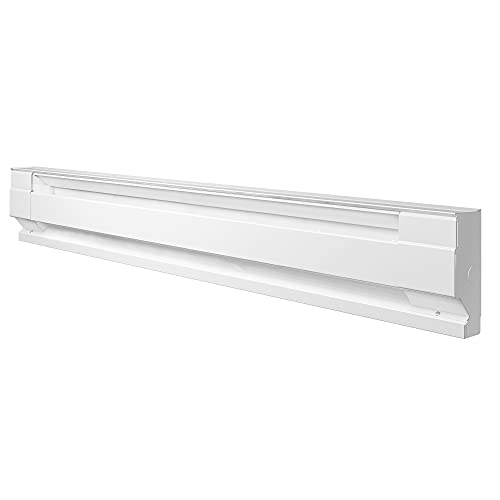
This Cadet 48″ heater provides 1000 watts at 120 volts, suitable for small-to-medium sunrooms or for supplementing heating along glass walls. The unit highlights fast heating and quiet operation, which helps avoid temperature lag common in rooms with large windows.
Features listed include pre-punched casing holes and universal wiring at either end for simpler installation. The heater is sheathed in protective steel to optimize heat transfer and durability. A thermostat is required but not included, so plan for compatible wiring and control selection.
Installation notes emphasize the pre-punched access and universal end wiring, which can reduce labor time for hard-wiring. Because it is a hard-wired unit, confirm circuit capacity and local electrical codes before installation.
Cadet F Series 36″ Electric Baseboard Heater (Model: 3F750-1W)
Call 888-896-7031 for Free Local HVAC Quotes – Compare and Save Today!
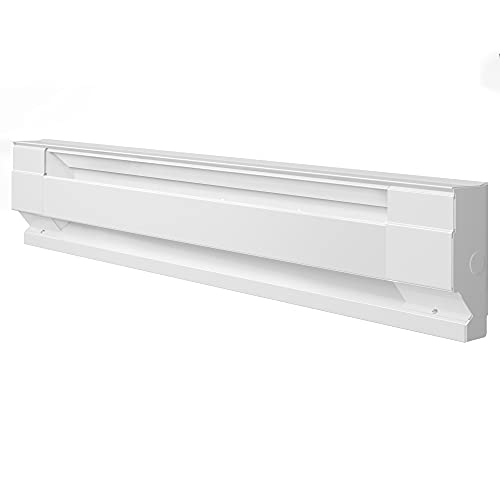
The Cadet 36″ model supplies 750 watts at 120 volts and is built from 25 gauge steel with a 20 gauge junction box that includes grounding. This all-metal, powder-coated unit is designed for durability in residential spaces.
Key product notes state it requires a thermostat, so this option fits installations where centralized or programmable thermostats are preferred. The all-metal construction and grounded junction box make it a robust choice for areas exposed to sunlight and potential temperature swings.
Because the unit does not include an internal thermostat, pairing with a wall-mounted or electronic thermostat allows more precise temperature control in a sunroom with variable solar gain.
KING 4K1210BW K Series Baseboard Heater, 4′ / 1000W / 120V

The KING K Series 4′ heater delivers 1000W at 120V and uses an aluminum ribbon fin element for consistent heat dispersion. The listed features include a full length safety cutout and a requirement to hard-wire the unit (not a plug-in model).
Aluminum ribbon fin construction provides a high surface area for convection, which can support steady warmth along a sunroom perimeter. The full-length safety cutout is a passive overheat protection strategy built into the design.
Call 888-896-7031 for Free Local HVAC Quotes – Compare and Save Today!
Because the heater must be hard-wired, plan electrical capacity and professional installation if required. This unit is appropriate where discrete, integrated baseboard heating is desired without visible cords or external controllers.
Comfort Zone Baseboard Space Heater With Digital Thermostat, 1,500W (CZ650B)

The Comfort Zone CZ650B is a 1500-watt electric baseboard heater with a built-in digital thermostat. Features include two heat settings, a clear temperature display, and safety protections such as tip-over switch and overheat sensor.
This unit emphasizes quiet operation and a stay-cool exterior, reducing contact burn risk. The digital thermostat enables more precise setpoint control than simple mechanical dials, useful for managing sunroom solar gain during daytime heating cycles.
Because this model lists multiple safety features and electronic control, it is suitable where user-accessible temperature management and visible readouts are preferred. Check mounting specs and electrical requirements to ensure compatibility with room layout and wiring.
NeatHeat 6ft Baseboard Heat Front Cover
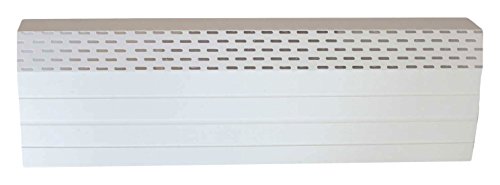
The NeatHeat front cover is an accessory designed to slip over many common baseboard heaters to improve appearance and protect exposed fins. Its listed features include easy installation with no special tools and the ability to be cut with common household tools to fit various lengths.
For sunrooms where heater aesthetics and a finished look are important, a front cover can also reduce dust collection and provide a smoother visual transition under windows. Ensure the cover fits the specific heater profile and does not restrict required airflow per manufacturer instructions.
Installation is described as straightforward, but measuring and trimming to match the existing heater length is an important preparatory step. Verify clearance and heat dissipation requirements before final installation.
Buying Guide: Choosing A Baseboard Heater For A Sunroom
Selecting the right baseboard heater for a sunroom involves technical fit, thermal performance, safety, and aesthetics. Below are the key considerations to compare multiple units reliably.
Tips for Getting the Best HVAC Prices
- Prioritize Quality Over Cost
The most critical factor in any HVAC project is the quality of the installation. Don’t compromise on contractor expertise just to save money. - Check for Rebates
Always research current rebates and incentives — they can significantly reduce your overall cost. - Compare Multiple Quotes
Request at least three estimates before making your choice. You can click here to get three free quotes from local professionals. These quotes include available rebates and tax credits and automatically exclude unqualified contractors. - Negotiate Smartly
Once you've chosen a contractor, use the proven strategies from our guide — How Homeowners Can Negotiate with HVAC Dealers — to get the best possible final price.
Heat Output And Room Size
- Calculate Required BTUs/Wattage: Sunrooms often need more heat per square foot due to glass area and heat loss. As a general baseline, allow roughly 10–15 watts per square foot for a well-insulated sunroom; increase for large window area or poor insulation.
- Match Wattage To Zones: Use multiple shorter units along long window walls rather than one centralized heater for even heat distribution and fewer cold spots.
Voltage, Wiring, And Installation
- Hard-Wired vs Plug-In: Many residential baseboard heaters require hard-wiring. Confirm whether the model is plug-in or must be wired to a dedicated circuit.
- Circuit Capacity: Verify the existing panel and circuit breakers can handle the additional load. 1500W at 120V draws about 12.5 amps and may require a dedicated circuit depending on local code.
- Thermostat Needs: Some units include a thermostat; others require a separate wall thermostat. Choosing a digital or programmable thermostat can improve energy control in sunrooms with variable daytime solar gain.
Material, Construction, And Durability
- Sheathed Steel vs Aluminum Elements: Steel-sheathed elements (Cadet) are durable and provide steady heat transfer. Aluminum ribbon fins (KING) offer high surface area for convection.
- Corrosion Resistance: Sunroom environments with humidity or direct sun exposure benefit from powder-coated finishes and robust junction boxes.
Safety Features
- Overheat Protection: Models with automatic shutoff or full-length safety cutouts reduce fire risk in obstructed airflow situations.
- Tip-Over Switch and Stay-Cool Body: Portable or floor-level units that list tip-over and stay-cool features add protections for high-traffic sunrooms or homes with pets and children.
- Grounding and Junction Box Quality: Look for grounded junction boxes and adequate gauge material to meet local electrical codes.
Control And Comfort
- Thermostat Type: Digital thermostats provide tighter temperature control and often include setback or scheduling options that reduce energy use when the sun warms the room naturally.
- Multiple Zones: Consider splitting a larger sunroom into zones with separate thermostats for more efficient control and reduced temperature stratification.
Aesthetics And Accessories
- Front Covers: Front covers like NeatHeat provide a cleaner appearance and can help protect occupants from hot fins. Confirm airflow clearance to avoid restricting convection.
- Color And Trim: Many baseboard heaters come in white or bright finishes to blend with trim; match sizes and profiles to existing trims for a cohesive look.
Energy Efficiency And Operating Cost
- Wattage Management: Higher wattage heats faster but draws more current. Use thermostats and timers to avoid unnecessary runtime during sunny hours.
- Insulation And Weatherproofing: Improving window seals and adding insulating treatments reduces heater runtime and enhances comfort.
Placement And Layout Considerations
- Under Windows: Placing heaters under windows counteracts cold downdrafts and promotes even convection in sunrooms with extensive glazing.
- Clearance: Maintain manufacturer-recommended clearances from furniture, curtains, and flammable materials to ensure safe operation.
Comparison Perspectives
- Performance vs Installation Complexity: Hard-wired units (Cadet, KING) offer integrated, permanent solutions with cleaner looks but require electrical work. Digital thermostat models (Comfort Zone) add control convenience at the cost of higher wattage and possible plug-in limitations.
- Durability vs Aesthetics: Steel-sheathed elements emphasize durability while aftermarket covers (NeatHeat) improve aesthetics. Balance thermal performance needs with visual preferences.
- Safety vs Power: Units with built-in overheat protection and tip-over sensors provide extra safeguards, particularly in sunrooms used as multi-purpose family spaces.