
Finding a low wattage heater for camping means balancing warmth, safety, and power limits. Below is a concise comparison of five portable solutions suited to tent, RV, or small shelter use. The options include electric PTC ceramic heaters and a propane radiant heater for off-grid situations.
| Product | Type | Power/Range | Best For |
|---|---|---|---|
| Lerat Electric Space Heater | Electric PTC Ceramic | 500W | Personal tent or small RV |
| Amazon Basics Ceramic Space Heater | Electric Ceramic | 500W | Desk, tent, small cabin |
| ZOOY Mini Low Wattage Heater | Electric PTC Ceramic | Low Watt | Ultra-compact personal heating |
| METKIIO Portable Mini Heater | Electric PTC Ceramic | 400W / 900W | Flexible low/high modes for tents |
| Mr. Heater Portable Buddy | Propane Radiant | 4,000–9,000 BTU | Off-grid or well-ventilated shelters |
Content Navigation
Lerat Electric Space Heater

This 500W PTC ceramic heater emphasizes rapid heat-up and portability. The manufacturer lists high heating efficiency with warm airflow in seconds and a compact footprint measuring 4.72 x 5.69 x 3.5 inches.
Key safety features include overheat protection and tilt/power-off safety to reduce fire risk in confined spaces. The ABS housing is noted as flame-retardant. For camping, it requires an electrical supply (battery inverter or campsite power).
Amazon Basics Ceramic Space Heater

This mini heater is a 500W ceramic unit designed for desks and small rooms. Dimensions and a lightweight 1.4 lb design make it easy to move and pack for trips where electrical hookups exist.
Call 888-896-7031 for Free Local HVAC Quotes – Compare and Save Today!
Listed features focus on fast, efficient heating via ceramic coils and a compact design for tight spaces. Tip-over protection is included. It’s suitable for campers using shore power or portable power stations with adequate capacity.
ZOOY Small Space Heater

The ZOOY mini heater highlights low wattage energy efficiency and PTC ceramic heating. At about 5.31 x 5.31 x 2.55 inches and under 1 lb, it’s one of the most packable electric heaters in the lineup.
Manufacturer features include fast heating in 2 seconds, an UL-certified power cord, overheat protection, and an automatic shut-off for tip-over events. This model suits very small tents, vestibules, or personal use in cold mornings.
METKIIO Portable Mini Heater
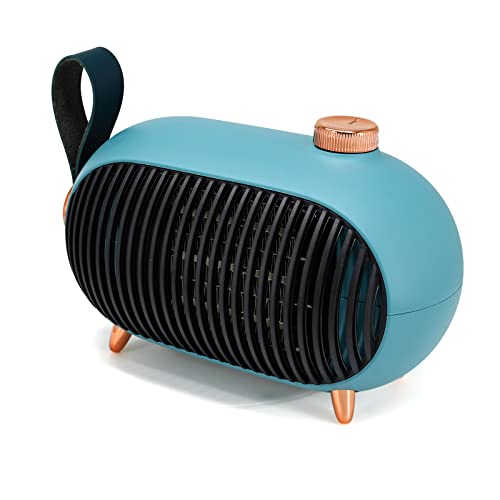
METKIIO provides three heating modes, including a 400W medium setting and a 900W high setting. The inclusion of a 400W option makes it useful where lower wattage is required.
Call 888-896-7031 for Free Local HVAC Quotes – Compare and Save Today!
PTC ceramic tech, quick warm-up, and automatic shut-off at high temperatures are listed safety features. The unit is marketed for bedroom, tent, RV use and offers quiet operation—practical where noise and energy footprint matter.
Mr. Heater Portable Buddy
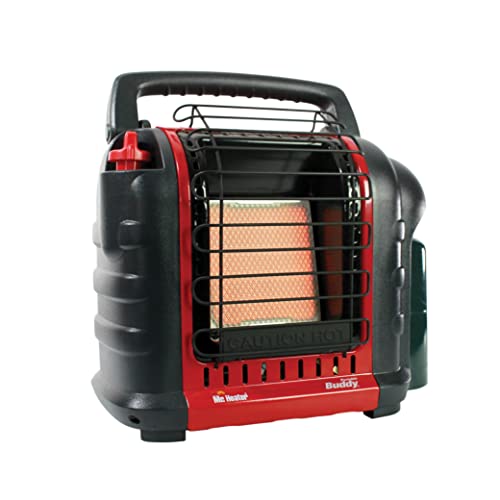
The Mr. Heater Portable Buddy is a propane radiant heater with adjustable output from 4,000 to 9,000 BTU, suitable for spaces up to about 225 sq. ft. It does not rely on electricity, making it a common off-grid camping choice.
Listed safety and convenience features include a tip-over switch, Piezo igniter for matchless start, and infrared heating that warms objects and people directly. Proper ventilation and carbon monoxide considerations are essential per manufacturer guidance.
Buying Guide: How To Choose A Low Wattage Camping Heater
Selecting the best low wattage heater for camping requires assessing power source, safety, size, and heating method. Below are the key considerations and comparative perspectives.
Power Source And Portability
- Electric 120V/AC heaters (500W and below) need shore power, generators, or inverters. Check inverter continuous watt rating and battery capacity for runtime estimates.
- Propane Radiant heaters run off gas and provide strong warmth without electricity but require ventilation and safe fuel handling.
- Weight and packed volume matter for backpacking; mini ceramic units are light but require power.
Heating Performance And Coverage
- Wattage correlates to output: 400–500W units warm small enclosures or provide personal heat. Higher outputs heat larger spaces faster but consume more power.
- PTC Ceramic vs. Radiant: Ceramic heaters warm air circulated by a fan; radiant heaters warm objects directly. Radiant is efficient for seated occupants; ceramic is better for whole-air warming in enclosed spaces.
Safety Features To Prioritize
- Tip-over shut-off and overheat protection reduce fire risk in tents and small shelters.
- Certifications such as UL or equivalent indicate tested safety compliance for electric units.
- For gas heaters, follow manufacturer instructions on ventilation and do not use in fully sealed tents unless designed and rated for indoor-safe use.
Energy Efficiency And Run Time
- Estimate runtime from battery/inverter capacity: for example, a 500W heater draws ~4.2A at 120V and will rapidly deplete batteries when run for hours.
- Use lower watt modes where available (e.g., METKIIO’s 400W setting) to extend runtime or preserve fuel.
- Supplement heaters with insulated sleeping bags, liners, and tent insulation to reduce required heater run time.
Noise, Comfort, And Use Cases
- PTC ceramic models are usually quiet but may include a fan. Quiet operation is preferable for sleeping or close quarters.
- Consider placement and directional warmth: radiant heaters are useful for spot heating while ceramic units can improve ambient temperature.
- Match heater type to use case: personal low-watt devices for overnight in small tents with power, propane for off-grid with ventilation.
Practical Comparison Notes
- If you have campsite electricity or a robust inverter, a 500W ceramic heater like Lerat or Amazon Basics offers safe, compact warming and built-in electrical safety features.
- For strict low-watt needs and ultralight packing, the ZOOY mini prioritizes minimal weight and quick personal heat.
- If you need flexibility between low and higher output while plugged in, consider METKIIO for multi-mode operation including a 400W setting.
- When off-grid and not using batteries, the Mr. Heater propane unit provides much greater heat output but demands careful ventilation and adherence to safety guidelines.
When choosing, balance power availability, safety requirements, and the size of the space you intend to heat. Always follow manufacturer instructions for installation and ventilation to minimize risks.
Tips for Getting the Best HVAC Prices
- Prioritize Quality Over Cost
The most critical factor in any HVAC project is the quality of the installation. Don’t compromise on contractor expertise just to save money. - Check for Rebates
Always research current rebates and incentives — they can significantly reduce your overall cost. - Compare Multiple Quotes
Request at least three estimates before making your choice. You can click here to get three free quotes from local professionals. These quotes include available rebates and tax credits and automatically exclude unqualified contractors. - Negotiate Smartly
Once you've chosen a contractor, use the proven strategies from our guide — How Homeowners Can Negotiate with HVAC Dealers — to get the best possible final price.