
Keeping engines warm in cold climates reduces wear, eases starting, and preserves battery life. This guide compares reliable coolant block heaters across automotive, generator, marine, and heavy-equipment applications. Below is a quick comparison of selected products to help you choose the right heater for your needs.
| Product | Brand | Type / Power |
|---|---|---|
| HOTSTART ENGINE HEATER TPS151GT10-000 COOLANT PRE-HEATER | Hotstart | Thermosiphon / Engine Coolant (models for 5.7–8.2L) |
| Zerostart 3100057 Engine Block Heater | Zerostart | 1-5/8″ Diameter / 120V / 600W |
| Zerostart 3100049 Engine Block Heater | Zerostart | 40mm Diameter / 120V / 400W |
| Zerostart 3100006 Engine Block Heater | Zerostart | 28mm Thread / 120V / 400W |
| JEENDA TPS151GT10-000 Engine Block Heater | JEENDA | Options up to 1500W / 120V / Coolant Pre-Heater |
Content Navigation
- HOTSTART Engine Heater TPS151GT10-000 Coolant Pre-Heater
- Zerostart 3100057 Engine Block Heater 1-5/8-Inch Diameter
- Zerostart 3100049 Engine Block Heater 40mm Diameter
- Zerostart 3100006 Engine Block Heater 28mm Thread
- JEENDA TPS151GT10-000 Engine Block Heater With Plug
- Buying Guide: How To Choose The Right Coolant Block Heater
- 1. Fitment And Mounting Type
- 2. Power Rating And Heat Output
- 3. Electrical Supply And Safety Approvals
- 4. Application And Engine Displacement
- 5. Thermostat / Temperature Control
- 6. Installation Complexity And Accessories
- 7. Durability And Environment
- 8. Passive Vs. Active Circulation
- 9. Manufacturer Support And Compatibility Data
- 10. Multiple Comparison Perspectives
HOTSTART Engine Heater TPS151GT10-000 Coolant Pre-Heater
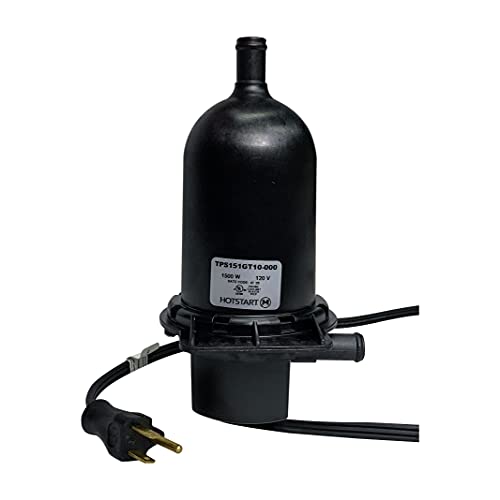
This Hotstart model is a purpose-built coolant pre-heater for diesel and gas engines used in generators, construction equipment, trucks, marine, and industrial applications. It relies on the thermosiphon principle, which circulates coolant without a pump.
- Heating Fluid: Engine Coolant, Water, other compatible fluids.
- Applications: Diesel and gas engines, heavy-duty equipment and marine use.
- Engine Size Guidance: Models recommended for 350–500 CID (5.7–8.2 L) engines.
- Design: No external pump needed — passive circulation via thermosiphon.
- Warranty: 1 year (as listed).
For operators of heavy equipment or larger displacement engines, this heater is designed to integrate into coolant circuits and reduce cold-start stress through continuous preheating. The passive circulation design simplifies installation and reduces moving parts.
Zerostart 3100057 Engine Block Heater 1-5/8-Inch Diameter
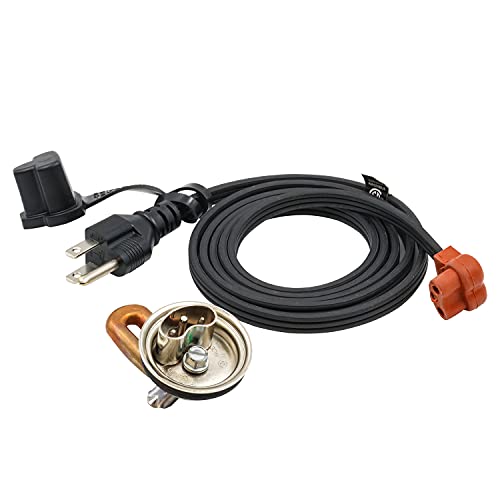
The Zerostart 3100057 is a thread-in block heater designed to install directly into the engine block or freeze plug location. It aims to ensure quicker winter starts and reduce engine wear.
Call 888-896-7031 for Free Local HVAC Quotes – Compare and Save Today!
- Compatibility: Fits a range of Buick, Cadillac, Chevrolet, Ford, Mercury, Lincoln, Jeep, Pontiac, and other models — consult Zerostart catalog for exact applications.
- Dimensions: 1-5/8-inch diameter element, suitable for compatible threaded ports.
- Electrical: CSA approved, 120V / 600W rating.
This model is useful for passenger cars and light trucks that have compatible port sizes. The 600W output provides faster heat-up compared to lower-wattage units, which can be advantageous for very cold climates or larger coolant volumes.
Zerostart 3100049 Engine Block Heater 40mm Diameter

The 3100049 is a 40mm diameter thread-in heater suited to a variety of import and domestic applications. It is CSA approved and commonly used as a direct-replacement style heater.
- Product Type: Auto part engineered for threaded block ports.
- Package Info: Typical boxed dimensions listed for shipping and fitment reference.
- Applications: Compatible with Chevrolet, Geo, Chrysler, Dodge, Mazda, Toyota, Nissan, and select equipment — confirm fitment before purchase.
- Electrical: 120V / typically 400W (refer to product specs/catalog).
Choose this model when the engine block or freeze-plug opening matches the 40mm size. The 400W rating suits many medium-size engines and offers efficient preheating without excessive electrical draw.
Zerostart 3100006 Engine Block Heater 28mm Thread

This Zerostart 3100006 is a 28mm thread-in block heater intended for makes including Acura, Cadillac, Honda, and Saab. It is CSA approved and is commonly used in compact and mid-size engines.
Call 888-896-7031 for Free Local HVAC Quotes – Compare and Save Today!
- Fitment: 28mm thread — check vehicle guide for compatibility.
- Purpose: Reduces engine wear and assists with easier cold starts.
- Electrical: 120V / 400W typical rating for efficient warm-up.
This unit is often selected for vehicles with smaller coolant volumes where a targeted heating element provides adequate warm-up without large current demands. Confirm thread and depth compatibility for correct installation.
JEENDA TPS151GT10-000 Engine Block Heater With Plug

The JEENDA TPS151GT10-000 is a coolant pre-heater based on the TPS151GT design, offering several power options including a 1500W variant. It targets diesel and gas engines in gensets, heavy equipment, trucks, and some vehicles.
- Power Options: 0.5KW, 1.0KW, 1.5KW variants; voltage typically 120V.
- Temperature Control: Designed to maintain coolant between 100–120°F depending on model and thermostat configuration.
- Inlet/Outlet: Inlet & outlet size ~16mm (0.629″).
- Applications: Generators, heavy-duty mobile equipment, marine, trucks, and some automotive uses.
JEENDA’s range emphasizes higher-watt options for rapid preheating or for applications with larger coolant capacity. The thermostat or temperature range options support maintaining consistent warm-up levels, useful for fleet or generator readiness.
Buying Guide: How To Choose The Right Coolant Block Heater
Selecting a coolant block heater involves evaluating engine size, port compatibility, power availability, intended use, and installation constraints. Below are key considerations to compare products effectively.
1. Fitment And Mounting Type
Thread-In (Freeze Plug) Heaters: Install into existing threaded ports or freeze plug locations. Verify diameter (e.g., 28mm, 40mm, 1‑5/8″) and thread depth before purchase.
Inline / Tank-Type Heaters: Mount in coolant lines or heater tanks. Useful when block ports are unavailable or for generators and non-standard systems.
2. Power Rating And Heat Output
Wattage: Common ratings are 400W, 600W, and up to 1500W. Higher wattage heats faster and handles larger coolant volumes but requires more electrical capacity.
Climate Needs: Very cold regions benefit from higher-watt models or thermally-controlled units. Moderate climates often work well with 400–600W heaters.
3. Electrical Supply And Safety Approvals
Ensure available circuit capacity and outlet type match the heater (typically 120V). Look for safety certifications such as CSA approval for electrical compliance and safer operation.
4. Application And Engine Displacement
Match heater design to equipment: passenger cars, light trucks, heavy-duty engines, generators, and marine engines have different coolant volumes and fitting options. Manufacturer guidance often lists recommended displacement ranges.
5. Thermostat / Temperature Control
Some units include thermostats or are designed to maintain a target coolant temperature. Thermostatically controlled heaters reduce energy use and maintain consistent readiness, important for fleet and standby generator use.
6. Installation Complexity And Accessories
Consider whether line-cutting, freeze-plug removal, or threaded installation is required. Some kits include gaskets, mounting hardware, or standard in/out fittings. Professional installation may be advisable for complex systems.
7. Durability And Environment
Look for corrosion-resistant materials (stainless or plated elements) and designs tested for vibration and shock if used on mobile equipment. Marine and industrial settings demand robust sealing and weather resistance.
8. Passive Vs. Active Circulation
Thermosiphon / Passive Systems: Rely on natural convection to circulate coolant without a pump. Simpler and fewer failure points.
Active / Pumped Systems: Use a pump to force circulation; often faster heat distribution but adds components and maintenance needs.
9. Manufacturer Support And Compatibility Data
Choose brands that provide clear compatibility charts or catalogs. Zerostart and Hotstart commonly publish fitment guides; cross-referencing model numbers prevents misfit and returns.
10. Multiple Comparison Perspectives
Vehicle/Equipment Type: Match heater type to vehicle — passenger cars often prefer thread-in 28–40mm elements; generators and heavy equipment may use tank-type or high-wattage units.
Electrical Infrastructure: For remote sites, consider energy availability—higher-watt heaters may require upgraded outlets or dedicated circuits.
Maintenance & Reliability: Passive thermosiphon units tend to have fewer moving parts and lower maintenance, while powered circulation offers faster warm-up at the cost of additional components.
Use this guide to weigh fitment, power, installation, and long-term operational needs. Always confirm thread sizes, wattage, and manufacturer compatibility before purchase and consult a qualified technician for complex installations or warranty considerations.
Tips for Getting the Best HVAC Prices
- Prioritize Quality Over Cost
The most critical factor in any HVAC project is the quality of the installation. Don’t compromise on contractor expertise just to save money. - Check for Rebates
Always research current rebates and incentives — they can significantly reduce your overall cost. - Compare Multiple Quotes
Request at least three estimates before making your choice. You can click here to get three free quotes from local professionals. These quotes include available rebates and tax credits and automatically exclude unqualified contractors. - Negotiate Smartly
Once you've chosen a contractor, use the proven strategies from our guide — How Homeowners Can Negotiate with HVAC Dealers — to get the best possible final price.