
Heat-powered stove fans improve warmth circulation from wood stoves, pellet burners, and propane heaters without electricity. Below is a quick comparison of five widely available heat-powered stove fans selected for performance, design, and compatibility.
| Product | Brand | Key Feature |
|---|---|---|
| JossaColar Wood Stove Fan | JossaColar | Compact aluminum blades, includes thermometer |
| VODA 4-Blade Stove Fan | VODA | 4-blade design, promotes hot air diffusion |
| Tomersun 6-Blade Stove Fan | Tomersun | 6 blades for higher air volume, wide temp range |
| GALAFIRE 4-Blade Stove Fan | GALAFIRE | Compact anodized design, low start temp |
| Easywave Dual-Motor Stove Fan | Easywave | Dual motors, multi-directional airflow |
Content Navigation
- JossaColar Wood Stove Fan
- VODA 4-Blade Heat Powered Fan
- Tomersun 6-Blade Stove Fan
- GALAFIRE 4-Blade Heat Powered Fan
- Easywave Dual-Motor Stove Fan
- Buying Guide: How To Choose The Right Stove Heater Fan
- Heat Source Compatibility
- Airflow And Blade Design
- Thermal Efficiency And Fuel Savings
- Start Temperature And Operating Range
- Build Quality, Materials, And Accessories
- No-Electric Operation And Reliability
- Placement, Size, And Clearance
- Safety And Overheat Protection
- Comparing Models: Practical Scenarios
- Maintenance And Longevity
JossaColar Wood Stove Fan

The JossaColar heat-powered fan uses a thermoelectric module to convert stove-top heat into a circulating airflow. It is described as compact and energy-efficient, requiring no batteries or power cords. The fan ships with a magnetic thermometer and the manufacturer offers a 2-year replacement warranty plus a 30-day refund policy.
Construction highlights include an upgraded aluminum curved fan blade designed to spread heat more effectively. Dimensions reported are about 6.5 inches long and 7.7 inches high, making it suitable for tight stove-top surfaces. This model targets standard wood stoves, pellet stoves, and log burners.
VODA 4-Blade Heat Powered Fan
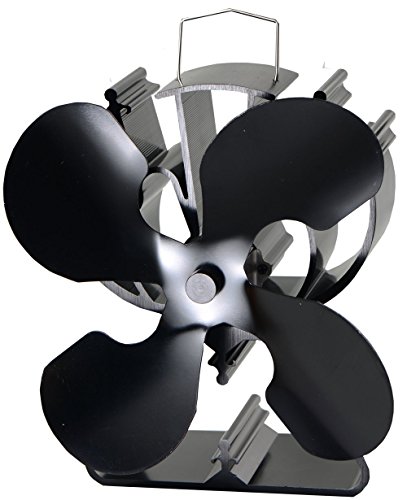
The VODA fan operates solely from heat and features a 4-blade design intended to promote even room heat distribution. Manufacturer claims highlight improved hot air diffusion to reduce temperature stratification in rooms heated by stoves or fireplaces.
Call 888-896-7031 for Free Local HVAC Quotes – Compare and Save Today!
Additional features emphasize efficiency gains: the fan is said to enable more uniform warmth while potentially lowering wood consumption. Performance can vary with stovetop temperature, and the fan is positioned as a no-electricity accessory to maximize heat utilization from the stove.
Tomersun 6-Blade Stove Fan

Tomersun’s design features 6 blades for increased air volume and faster circulation compared with traditional 4-blade fans. The listed working temperature range is wide, with automatic start around 158°F and optimum operation between about 482°F and 572°F.
The product emphasizes fuel savings and efficiency, citing reduced wood consumption when warm air is circulated more effectively. Safety guidance notes removing the fan if stove surface temperatures exceed the specified maximum to avoid damage.
GALAFIRE 4-Blade Heat Powered Fan
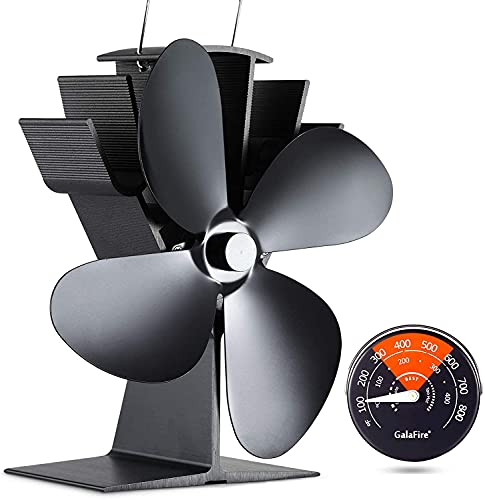
GALAFIRE’s anodized aluminum fan is compact (about 7.48 inches tall) for use on narrow stove tops. It features self-starting at relatively low temps—reported start near 122°F—which may be helpful for stoves with cooler surface temperatures.
Call 888-896-7031 for Free Local HVAC Quotes – Compare and Save Today!
The unit includes a magnetic thermometer and is promoted as having silent operation and no running costs. The product description recommends ensuring stove-top temperatures are sufficient for reliable operation.
Easywave Dual-Motor Stove Fan

Easywave’s fan stands out with a dual-motor, 6-blade configuration designed for multi-directional airflow. The manufacturer states this produces a combined airflow of more than 180 CFM, delivering wider coverage than single-head fans.
This model stresses energy savings from thermal recycling of wasted stove heat and is positioned for faster, more consistent room heating. Product notes emphasize that dual-head airflow patterns differ from single-direction designs and may reduce cold spots in larger rooms.
Buying Guide: How To Choose The Right Stove Heater Fan
Choosing the right heat-powered fan depends on stove type, room size, desired airflow, and safety requirements. Below are key considerations and comparison perspectives to evaluate options objectively.
Heat Source Compatibility
- Wood, Pellet, or Gas Stoves: Confirm the fan’s recommended stove-top temperature range. Some fans start at lower temps (e.g., GALAFIRE at ~122°F) while others require higher temps for optimum performance.
- Propane/Buddy Heaters: Look for models with brackets or specific compatibility notes if you plan to use the fan on portable propane heaters.
Airflow And Blade Design
- Blade Count: More blades often increase air volume but can affect start temperature and motor load. Compare 4-blade vs 6-blade claims to match room size.
- CFM And Coverage: If provided, use CFM figures to compare fans objectively—higher CFM suits larger rooms or open layouts.
Thermal Efficiency And Fuel Savings
- Fuel Reduction Claims: Some brands cite reduced wood consumption or improved stove efficiency. Treat percentage savings as indicative; actual savings vary with stove operation and insulation.
- Heat Redistribution: Fans that distribute heat evenly can reduce cold spots and lessen the need for higher stove output, indirectly saving fuel.
Start Temperature And Operating Range
- Low Start Temp: Choose a fan with a lower startup threshold if your stove runs cooler or you want circulation earlier.
- Maximum Safe Temp: Verify maximum recommended stove surface temperature and any safety mechanisms (e.g., bimetallic guards) to avoid damage at very high temps.
Build Quality, Materials, And Accessories
- Materials: Anodized aluminum or upgraded aluminum blades resist corrosion and improve heat transfer.
- Accessories: Magnetic thermometers and mounting brackets increase usability and safety when monitoring operating temperature.
- Warranty & Support: Consider warranty length and seller support policies for long-term reliability.
No-Electric Operation And Reliability
- Thermoelectric Or Stirling Mechanisms: Understand the operating principle—thermoelectric modules convert heat differentials to motion, while some designs incorporate Stirling elements. Both avoid electricity but respond differently to temperature.
- Quiet Operation: If noise matters, look for “silent” claims or user feedback on operational sound at peak airflow.
Placement, Size, And Clearance
- Physical Footprint: Measure your stove-top clearance. Compact models suit narrow surfaces, while larger fans may provide higher airflow but require more space.
- Ventilation Path: Position the fan where airflow can travel unobstructed into the living area for best results.
Safety And Overheat Protection
- Automatic Safeguards: Some fans include bimetallic protection that lifts the base at extreme temps to protect internal parts.
- Operating Limits: Follow manufacturer guidance to remove the fan if stove-top temperature exceeds stated maximums.
Comparing Models: Practical Scenarios
- Small Room / Low-Output Stove: Favor compact designs with low start temperatures (e.g., GALAFIRE) to begin circulation earlier.
- Large or Open-Plan Spaces: Select fans emphasizing higher CFM, multiple blades, or dual motors (e.g., Easywave or Tomersun 6-blade) for broader coverage.
- Portable Heater Use: If using on Buddy heaters or propane units, choose models with brackets and explicit compatibility notes for secure mounting.
Maintenance And Longevity
- Cleaning: Periodic dusting of blades improves performance. Ensure the fan is cool before handling.
- Service Life: Look for sturdy motors, anodized finishes, and replacement policies to estimate longevity under regular stove conditions.
Use the above criteria to compare the five models reviewed, matching product strengths to your specific heating setup and room configuration. Objective evaluation of start temp, airflow, compatibility, and safety features will help narrow choices to the best fan for your stove and space.
Tips for Getting the Best HVAC Prices
- Prioritize Quality Over Cost
The most critical factor in any HVAC project is the quality of the installation. Don’t compromise on contractor expertise just to save money. - Check for Rebates
Always research current rebates and incentives — they can significantly reduce your overall cost. - Compare Multiple Quotes
Request at least three estimates before making your choice. You can click here to get three free quotes from local professionals. These quotes include available rebates and tax credits and automatically exclude unqualified contractors. - Negotiate Smartly
Once you've chosen a contractor, use the proven strategies from our guide — How Homeowners Can Negotiate with HVAC Dealers — to get the best possible final price.