
Choosing the right indoor heater requires balancing fuel type, safety, room size, and ventilation. Below is a concise summary of selected indoor heaters — focusing on non-electric options where available and including reliable electric alternatives for comparison.
| Product | Type | Primary Fuel/Power | Best For |
|---|---|---|---|
| Mr. Heater MHVFBF20LPT | Blue Flame Wall Heater | Propane (vent-free) | Large Rooms, Cabins |
| LINWIN 2-in-1 Kerosene Heater & Stove | Kerosene Portable | Kerosene | Camping, Emergency Heating & Cooking |
| Dreo Oil Filled Radiator | Electric Oil-Filled Radiant | Electric | Quiet, Even Room Heating |
| Dreo Space Heater (Digital PTC) | Electric Ceramic PTC | Electric | Fast Heat For Small To Medium Rooms |
| Dreo 25″ Ceramic Tower Heater | Electric Ceramic Tower | Electric | Large Rooms, Quiet Operation |
Content Navigation
- Mr. Heater MHVFBF20LPT 20,000 BTU Blue Flame Vent Free Propane Heater
- 2 In 1 Portable Kerosene Heater & Stove
- Dreo Oil Filled Radiator, Electric Radiant Heaters For Indoor Use
- Dreo Space Heater, Portable Electric Heaters With Thermostat
- Dreo Space Heater For Indoor Use, 25″ 11.5ft/s Fast Electric Heater
- Buying Guide: Choosing A Non-Electric Indoor Heater (And Comparable Alternatives)
Mr. Heater MHVFBF20LPT 20,000 BTU Blue Flame Vent Free Propane Heater
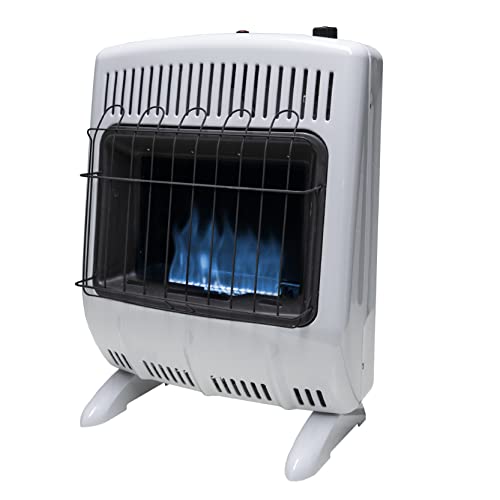
This vent-free propane wall heater produces up to 20,000 BTU, intended to warm spaces such as cold rooms, additions, sun rooms, cabins, and garages. It is rated to cover large areas and claims reliable performance at elevations up to 4,500 ft. The unit features a thermostat for temperature control and a battery-powered electronic ignition for start-up convenience.
Key safety and operational features listed include an Oxygen Depletion Sensor (ODS) that automatically shuts the heater off if oxygen levels fall, plus fuel consumption and thermostat control for steady heat. This model is a non-electric heating solution in the sense it uses propane as its fuel source, though it requires a battery for ignition electronics.
2 In 1 Portable Kerosene Heater & Stove

This multifunctional kerosene heater doubles as a stove for cooking and is positioned for indoor/outdoor use such as camping, hunting, and emergency preparedness. The package includes the heater, a storage bag, extra wicks, funnel, siphon pump, gloves, and a user manual — useful accessories for maintenance and portability.
Call 888-896-7031 for Free Local HVAC Quotes – Compare and Save Today!
Features emphasize portability, adjustable height, and the ability to cook meals as well as provide 9,000 BTU of heat. As a non-electric option, it operates on kerosene and offers practical benefits for situations where grid power is unavailable. Users should consider ventilation, fuel storage, and wick maintenance when using kerosene heaters indoors.
Dreo Oil Filled Radiator, Electric Radiant Heaters For Indoor Use

This oil-filled radiator is an electric radiant heater designed for quiet, steady heat distribution. The product description highlights 1500W power, improved heat dispersion with multiple fins, and a remote control with a digital thermostat for personalized comfort and eco mode operation.
Safety systems include triple overheat protection, tilt protection, and ETL listing. Oil-filled radiators are electrically powered but operate by warming internal oil and radiating heat, providing long-lasting, even warmth that may be preferable for bedrooms or rooms where steady background heat is desired.
Dreo Space Heater, Portable Electric Heaters With Thermostat

This 1500W PTC ceramic heater is built for quick heat delivery and precise temperature control. Its Hyperamics PTC system and a heat funnel design aim to deliver heat within seconds and improve warm air circulation for extended reach. Safety features include a tilt-detection sensor, overheat protection, V0 flame-retardant materials, and ETL certification.
Call 888-896-7031 for Free Local HVAC Quotes – Compare and Save Today!
The product emphasizes an advanced NTC chipset enabling temperature adjustments from 41–95°F with 1°F increments, a 12-hour timer, remote control, and multiple modes. While electric, it is included here as a comparative alternative for indoor heating needs when non-electric options are impractical.
Dreo Space Heater For Indoor Use, 25″ 11.5ft/s Fast Electric Heater

This 25″ ceramic tower heater focuses on fast airflow and extended heat range using an upgraded Hyperamics thermal design and an extended impeller. It features multiple safety protections including overheat and 45° tip-over protection, V0 flame-retardant materials, child lock, and ETL certification.
The unit targets larger rooms and emphasizes low noise operation (as low as 32 dB) for bedroom or office use. As an electric option, it offers silent, consistent convection heating and safety systems that may be relevant when comparing electric versus non-electric indoor heating solutions.
Buying Guide: Choosing A Non-Electric Indoor Heater (And Comparable Alternatives)
Selecting a heater for indoor use depends on your space, ventilation, fuel availability, and safety priorities. This guide covers the main considerations and comparisons between non-electric and electric options.
Fuel Type And Availability
- Propane (Vent-Free) Heaters: Provide high BTU output and can heat large areas. Require appropriate gas supply (tanks) and usually an oxygen depletion sensor for indoor safety. Ideal where natural gas or propane is accessible.
- Kerosene Heaters: Portable and useful for emergency or outdoor-to-indoor transition scenarios. Require fuel storage, regular wick maintenance, and careful handling. Best when electricity is unavailable and ventilation is managed.
- Electric Heaters (Radiant/Ceramic/Oil-Filled): Depend on grid or generator power. Provide precise control, lower emissions, and no combustion by-products. Consider electric alternatives if ventilation or indoor combustion is a concern.
Safety Features To Prioritize
- ODS and CO Safety: For combustion heaters, an Oxygen Depletion Sensor and carbon monoxide detection are essential. Always use a CO alarm in spaces with fuel-burning devices.
- Tip-Over And Overheat Protection: Both non-electric and electric heaters should offer tip-over shutoff and overheat protection to reduce fire risk.
- Certified Listings: Look for ETL, CSA, or UL listings that indicate independent safety testing and compliance.
Ventilation And Indoor Air Quality
- Vent-Free Heaters: Deliver nearly all heat to the room but release combustion by-products (water vapor, nitrogen dioxide). Adequate ventilation and CO monitoring are required.
- Kerosene Heaters: Produce fumes and may release particulates; they require careful placement and ventilation when used indoors.
- Electric Heaters: Produce no combustion by-products and are preferable in poorly ventilated or tightly sealed spaces.
Heat Output And Coverage
- BTU vs Watt: Propane/kerosene heaters are rated in BTU; electric heaters use watts. Higher BTU or wattage can warm larger spaces faster, but efficiency depends on insulation and room layout.
- Room Size Matching: Match heater capacity to room size. For example, 20,000 BTU models claim coverage for large rooms or cabins, while 1500W electric units commonly serve rooms up to ~200 sq ft depending on conditions.
Operation And Convenience
- Ignition And Controls: Some fuel heaters use battery ignition; others are manual. Consider thermostat control, timers, and remote controls for convenience and energy efficiency.
- Portability: Portable kerosene heaters and small propane units suit temporary or emergency use. Wall-mounted propane heaters provide permanent heat for specific rooms.
Maintenance And Running Costs
- Fuel Storage And Handling: Kerosene and propane require proper storage and fuel management. Factor in cost and accessibility of fuel in your area.
- Electric Maintenance: Electric units require minimal fuel maintenance but may need filter or fan care over time.
Environmental And Indoor Impact
- Combustion Emissions: Non-electric heaters emit combustion by-products. Consider indoor air quality, especially for sensitive occupants (children, elderly, respiratory conditions).
- Moisture Output: Vent-free combustion releases water vapor; this can increase indoor humidity.
Comparison Perspectives
- Emergency Preparedness: Kerosene heaters and portable propane are valuable when electricity is unavailable, provided ventilation and safety protocols are followed.
- Everyday Home Use: Electric oil-filled radiators and ceramic heaters offer steady, low-maintenance heat with fewer indoor air concerns.
- Large Areas: High-BTU propane wall heaters perform well in larger or poorly insulated spaces, but installation and ventilation must meet local codes.
Before purchasing any heater for indoor use, verify local codes and manufacturer instructions, ensure proper detectors (CO and smoke) are installed, and plan for ventilation and fuel storage where relevant. Comparing the non-electric options above (propane and kerosene) with electric alternatives helps match performance to safety and convenience needs.
Tips for Getting the Best HVAC Prices
- Prioritize Quality Over Cost
The most critical factor in any HVAC project is the quality of the installation. Don’t compromise on contractor expertise just to save money. - Check for Rebates
Always research current rebates and incentives — they can significantly reduce your overall cost. - Compare Multiple Quotes
Request at least three estimates before making your choice. You can click here to get three free quotes from local professionals. These quotes include available rebates and tax credits and automatically exclude unqualified contractors. - Negotiate Smartly
Once you've chosen a contractor, use the proven strategies from our guide — How Homeowners Can Negotiate with HVAC Dealers — to get the best possible final price.