
Portable van heaters keep small vehicles comfortable during cold weather, from short road trips to full-time van life. Below is a concise comparison table of the five selected heaters that match common van heating needs: fuel type, intended use, and key strengths.
| Product | Fuel / Power | Best For | Key Feature |
|---|---|---|---|
| Mr. Heater MH9BXRV Buddy | Propane | Quick radiant heat in small vans | Indoor-safe, auto shut-off |
| VEVOR 8KW Diesel Heater (All In One) | Diesel (12V pump) | Continuous, built-in-style heating | Portable, built-in tank, remote & LCD |
| outequip 10,000 BTU Rooftop AC (with Heater) | Electric / 12V rooftop | Dual cooling/heating for vans with roof install | Low-profile rooftop AC + 4,500 BTU PTC heater |
| GiveBest Portable Ceramic Heater | Electric (AC) | Small-space, plug-in heat for parked vans with shore power | Thermostat, two heat levels, tip-over protection |
| BLACK+DECKER Portable Space Heater | Electric (AC) | Personal, lightweight heat for quick warm-up | Carry handle, fan combo |
Content Navigation
- Mr. Heater MH9BXRV Buddy Grey Indoor-Safe Portable RV Radiant Heater
- VEVOR Diesel Heater All In One, 8KW Diesel Air Heater with LCD Panel
- RV Air Conditioner, 12V 10000 BTU Rooftop Air Conditioner (With Heater)
- GiveBest Portable Electric Space Heater With Thermostat
- BLACK+DECKER Portable Space Heater With Carry Handle
- Buying Guide: How To Choose A Portable Van Heater
Mr. Heater MH9BXRV Buddy Grey Indoor-Safe Portable RV Radiant Heater
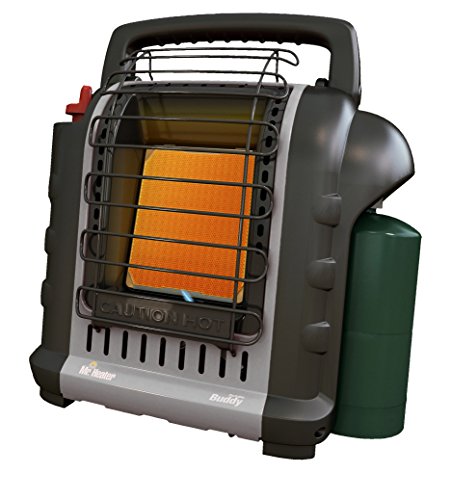
The Mr. Heater MH9BXRV Buddy is a propane radiant heater designed for spaces up to about 225 square feet. It offers a variable output of 4,000 to 9,000 BTU and is certified for indoor and outdoor use when used according to manufacturer instructions.
Notable safety features include auto shut-off if tipped over, if the pilot light goes out, or if low oxygen is detected. The heater is described as nearly 100-percent efficient with clean-burning operation, making it a common choice for vans where fumigation and ventilation are properly managed.
Limitations include altitude sensitivity—the unit may shut off above 7,000 ft—and reliance on propane fuel, which requires secure storage and proper ventilation. For quick, radiant warmth while parked, this model is compact and effective for many van setups.
VEVOR Diesel Heater All In One, 8KW Diesel Air Heater with LCD Panel

Call 888-896-7031 for Free Local HVAC Quotes – Compare and Save Today!
The VEVOR 8KW Diesel Heater All In One is a self-contained diesel air heater intended for vehicles and small living spaces. It operates on 12V and claims coverage for roughly 215–269 ft², making it capable of providing continuous heat for typical camper vans when properly positioned.
Key features include a built-in fuel tank, remote control, and an LCD control panel. The heater uses a sandblasted aluminum heat exchanger to deliver fast heating, and the unit is designed to run for extended periods with moderate fuel consumption (0.16–0.62 L/h depending on output).
Because it is a diesel-burning device, ventilation and fuel handling must meet safety standards. The all-in-one design reduces installation complexity compared with split-unit heaters, but owners should confirm placement, exhaust routing, and electrical integration for safe operation.
RV Air Conditioner, 12V 10000 BTU Rooftop Air Conditioner (With Heater)

The outequip 10,000 BTU rooftop unit combines cooling with a 4,500 BTU PTC heater, intended for rooftop installation on vans, trucks, and campers. It’s a low-profile option that provides rapid cooling and supplementary heating when shore power or appropriate electrical systems are available.
Because the heater portion is PTC-based and rated at 4,500 BTU, it’s suitable as a supplementary heat source for mild conditions rather than a standalone winter heating system in severe cold. Benefits include weather-resistant construction and materials intended for outdoor exposure.
Call 888-896-7031 for Free Local HVAC Quotes – Compare and Save Today!
Consideration: rooftop units require cutting and sealing the vehicle rooftop, plus a compatible electrical supply and possibly a generator or inverter for off-grid use. For vans that already plan to install a rooftop AC, this provides both summer and moderate winter capability in one package.
GiveBest Portable Electric Space Heater With Thermostat

The GiveBest ceramic heater is a compact plug-in electric heater offering two heat levels (1500W and 750W) plus a fan-only mode. It includes a thermostat that cycles power to maintain a set temperature and safety systems such as overheat and tip-over protection.
As an electric unit, it is best used when the van has access to shore power, a robust inverter, or generator. Ceramic elements heat quickly and the adjustable thermostat allows energy-efficient operation for small interiors.
Advantages include portability, quiet operation, and multiple safety layers. Limitations are dependence on AC power and the maximum heat output tied to electrical availability. This style suits part-time camping with campground hookups or vans with significant battery/inverter capacity.
BLACK+DECKER Portable Space Heater With Carry Handle

The BLACK+DECKER portable space heater is a lightweight, personal heater with two heat settings (750W and 1500W) plus a fan mode. It emphasizes portability with a built-in carry handle and compact footprint, suitable for directing heat to a sleeping area or workstation inside a van.
It features an adjustable thermostat control and a standard AC power plug. The combination of fan and heating element can speed up warming a small area, and the model is commonly used for short-term or supplemental heating when reliable AC power is present.
As with other electric heaters, ensure the van’s electrical system supports the wattage and that devices are used on stable, level surfaces to allow safety features to work properly.
Buying Guide: How To Choose A Portable Van Heater
Selecting the right van heater depends on several vehicle and user factors. Below are the primary considerations and comparison perspectives to guide a safe and practical choice.
Fuel Type And Power Source
- Propane (Radiant Heaters) — Good for quick, direct radiant heat; useful when shore power is unavailable. Requires safe propane storage, CO/CO2 monitoring, and ventilation. Examples: Mr. Heater Buddy.
- Diesel Heaters — Use vehicle diesel or their own tank; efficient for continuous warmth and can be integrated into a van’s electrical system. They consume fuel slowly and can be run overnight but require proper exhaust routing and installation.
- Electric Heaters (AC) — Ceramic or fan heaters are quiet and safe with built-in protections. Best when plugged into shore power, generator, or when using a high-capacity inverter and battery bank.
Heat Output And Space Coverage
- Estimate your van’s interior volume (length x width x height) and insulation quality. Small, well-insulated vans require far less BTU than poorly insulated campers.
- Radiant heat feels warmer at lower air temperatures but is localized. Forced-air (diesel or fan heaters) distributes heat more evenly.
- Electric heater wattage (e.g., 1500W) equates to about 5,100 BTU equivalent under ideal conversion—use this when comparing to fuel heaters.
Installation And Mobility
- All-in-one portable units require minimal installation—good for temporary use but may be bulkier.
- Built-in diesel or rooftop systems require cutting, mounting, and routing fuel or exhaust. They integrate better for full-time van life and can be more efficient long-term.
- Consider how often you’ll move the heater between vehicles or use it for day trips versus a semi-permanent installation.
Safety Features And Ventilation
- Check for tip-over protection, overheat shutoff, and low-oxygen sensors (especially for combustion heaters).
- Combustion heaters need properly routed exhaust and fresh air supply; always use carbon monoxide detectors and follow local codes.
- Electric heaters should have grounded plugs, thermal cutoffs, and be used on stable surfaces away from combustibles.
Power Management And Energy Use
- Match the heater’s power draw to your van’s electrical capacity: inverter rating, battery bank, and charging sources (alternator, solar, generator).
- Diesel and propane offer off-grid runtime without large battery systems; electric units require reliable AC or big battery/inverter setups.
- Thermostat and low-power modes can extend runtime and reduce fuel/electric consumption.
Noise, Comfort, And Control
- Consider noise levels if sleeping near the unit; diesel and fan heaters produce mechanical noise, while ceramic heaters are usually quieter.
- Remote controls, LCD panels, and programmable thermostats increase convenience and allow preheating prior to entry.
- Airflow patterns matter: direct fans heat faster but may create drafts; radiant heaters warm objects and people directly.
Regulatory And Practical Considerations
- Verify local regulations about fuel storage and exhaust for combustion heaters in converted vehicles.
- Factor in maintenance: filters, fuel pumps, and ignition parts on combustion units; element lifespan for electric heaters.
- Check vehicle roof load limits and sealing requirements before installing rooftop units.
Choosing the right portable van heater requires balancing safety, fuel availability, installation complexity, and heating needs. Compare the advantages of rapid radiant heat, continuous diesel warmth, and plug-in electric convenience against the realities of ventilation, power supply, and noise for your specific van life use case.
Tips for Getting the Best HVAC Prices
- Prioritize Quality Over Cost
The most critical factor in any HVAC project is the quality of the installation. Don’t compromise on contractor expertise just to save money. - Check for Rebates
Always research current rebates and incentives — they can significantly reduce your overall cost. - Compare Multiple Quotes
Request at least three estimates before making your choice. You can click here to get three free quotes from local professionals. These quotes include available rebates and tax credits and automatically exclude unqualified contractors. - Negotiate Smartly
Once you've chosen a contractor, use the proven strategies from our guide — How Homeowners Can Negotiate with HVAC Dealers — to get the best possible final price.