
Compact 120V wall heaters are a common solution for bathroom warmth, offering fast heat without ductwork. This guide compares reliable electric wall heaters designed for indoor bathroom use, focusing on safety features, thermostat control, installation type, and wattage. Below is a quick comparison of the selected models to help you choose.
| Product | Type / Wattage | Key Feature |
|---|---|---|
| Cadet CSC151TW | 1500W / 120V | Complete unit with built-in thermostat |
| Cadet CSC101TW | 1000W / 120V | Fast dual-coil element, compact recessed mount |
| Cadet CEC163TW | 1000–1600W selectable / 120V supported | Built-in digital thermostat, retrofit-friendly |
| Broan-NuTone 9815WH | 1500W convertible / 120V | Adjustable front thermostat, durable grille |
| INFANDY 120V Wall Heater | 1500/750W / 120V hardwired | Remote, timer, child lock, multi-modes |
Content Navigation
Cadet CSC151TW 1500W Electric Wall Heater

This Cadet Com-Pak model is a complete unit with an integrated thermostat, rated at 1500 watts and 120 volts for typical bathroom branches. It’s designed for fast response and continuous use as a supplemental heat source.
- Key Features: 5120 BTU output, 120V operation, built-in thermostat, compact white grille.
- Installation: Recess or surface mount depending on wall cavity and kit; intended for hardwired in-wall installation by a qualified electrician.
- Safety & Use: Thermal safety cutoff protects against overheating; suitable for small to medium bathrooms when installed per local code.
Performance is focused on fast localized heating. Because it’s a dedicated in-wall unit with thermostat control, it provides steady temperature maintenance without occupying floor space.
Cadet CSC101TW 1000W Fast-Heat Wall Heater
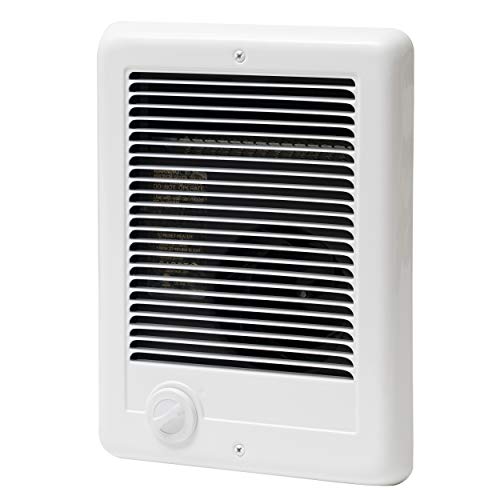
The Cadet CSC101TW is a 1000W, 120V Com-Pak with a fast heating dual-coil element designed to warm smaller spaces quickly. Its compact design allows recessed mounting to preserve bathroom aesthetics and space.
Call 888-896-7031 for Free Local HVAC Quotes – Compare and Save Today!
- Key Features: 1000W heating element, rapid warm-up, safety shutoff on over-temperature, compact recessed mount.
- Space Suitability: Best for small bathrooms or as targeted spot heat where full 1500W capacity is not required.
- Installation Notes: Uses the Cadet Com-Pak wall can; replacement or retrofit often avoids additional wall repairs.
This unit emphasizes space efficiency and safety. Selecting a 1000W model can reduce electrical load where circuit capacity or breaker limits are a concern.
Cadet CEC163TW Energy Plus Wall Heater With Digital Thermostat

The Cadet Energy Plus series combines a wall heater with an onboard digital thermostat and push-button controls. It supports multiple wattage configurations including compatibility with 120V service at lower wattages.
- Key Features: Digital thermostat, large display, thermal safeguard, retrofit-friendly to existing Com-Pak wall cans.
- Retrofit Advantage: Designed to use existing Cadet Com-Pak mounting cans, reducing wall patch needs for replacements.
- User Control: Push-button simplicity and precise temperature setpoint capability improve comfort regulation over simple mechanical thermostats.
This model is appropriate when digital control and retrofit ease are priority factors, especially for homeowners updating older recessed units without large wall repairs.
Broan-NuTone 9815WH High Capacity Wall Heater

The Broan-NuTone 9815WH is a widely used wall heater with a front-mounted adjustable thermostat. It operates at 1500 watts on 120V and features a durable white grille with contemporary styling.
Call 888-896-7031 for Free Local HVAC Quotes – Compare and Save Today!
- Key Features: 1500W at 120V, adjustable front thermostat, permanently lubricated fan, convertibility to certain voltages.
- Design: Straight louvers and radius edges provide a low-profile visual. Front thermostat allows quick manual adjustments.
- Maintenance: Permanently lubricated motor minimizes routine servicing; follow manufacturer recommendations for cleaning and inspection.
This model is a practical choice when simple front-access controls and established design are desired. Its fan-assisted design spreads heat more evenly compared with passive convection-only units.
INFANDY 120V Wall Heater With Thermostat And Remote

The INFANDY wall heater is a modern 120V option offering three heating modes, a smart thermostat, remote control, timer, and child lock. It emphasizes convenience and additional safety functionality for family bathrooms.
- Key Features: Multi-mode heating (Full/Eco/Ventilation), precise thermostat (40–86°F), overheat protection, child lock, 9-hour timer, remote control.
- Energy Options: Eco Mode reduces power use while maintaining comfort — useful for energy-conscious households.
- Installation: Hardwired in-wall installation required; ensure compatibility with existing circuits and codes.
This unit targets users who want advanced control features and safety layers in a compact wall-mounted form, making it suitable for family bathrooms and modern retrofit projects.
Buying Guide: How To Choose A 120V Bathroom Wall Heater
Selecting a bathroom wall heater involves assessing room size, electrical capacity, installation needs, and safety requirements. Below are detailed considerations to compare models objectively.
Room Size And Wattage
Estimate the bathroom’s square footage. Typical guidelines:
- Up to 100 sq ft: 1000–1500W usually sufficient.
- Larger bathrooms or higher ceilings may need 1500W or supplemental heat sources.
- Insulation, window area, and desired temperature rise affect required wattage.
Choose a model whose wattage matches available circuit capacity and desired heat output. Lower-watt models reduce load but heat more slowly.
Electrical And Circuit Considerations
120V heaters commonly require a dedicated branch circuit. Check:
- Breaker rating and circuit capacity: ensure wiring matches the heater’s amperage draw.
- Local electrical codes may require GFCI protection in bathrooms—verify requirements before installation.
- Hardwired vs. plug-in options: Most in-wall units are hardwired and should be installed by a licensed electrician.
Thermostat And Control Options
Control capability affects comfort and energy use:
- Mechanical thermostats (front-mounted or knob) offer simplicity and reliable manual control.
- Digital thermostats provide precise temperature settings, programmability, and sometimes retrofit compatibility.
- Remote/timer features add convenience but require additional electronics and may affect longevity.
Safety Features
Bathrooms require heightened safety due to humidity and close proximity to water:
- Overheat protection / thermal cutoff prevents heat damage.
- Child lock and tamper-resistant controls are useful for family homes.
- Proper placement: follow clearance and mounting distance guidelines from the shower or tub to reduce moisture risk.
Installation Type And Retrofit Compatibility
Consider whether you are installing in new construction or retrofitting:
- Recessed units require wall cavities and can save space; many Cadet models use common wall cans for easier replacement.
- Surface-mounted units may be simpler where wall cavities are not available.
- Confirm whether the heater fits existing electrical boxes and grille openings to minimize drywall repairs.
Noisy Fan Versus Convection
Wall heaters come with fan-assisted or convection designs:
- Fan models distribute heat faster and more evenly but may produce operational noise.
- Convection units operate quietly but have slower heat distribution.
If bathroom noise is a concern, check manufacturer decibel ratings or user reports of operational sound levels.
Durability And Maintenance
Look for features that reduce maintenance and extend life:
- Sealed or permanently lubricated motors reduce service needs.
- Removable grilles and accessible filters (if present) simplify cleaning.
- Use models with proven thermal safeguards and corrosion-resistant finishes for humid environments.
Energy Efficiency And Operating Cost
Although electric resistance heaters are not as efficient as heat pumps, you can manage operating cost:
- Use thermostats with precise setpoints to avoid overheating the room.
- Eco modes or lower wattage settings reduce draw during milder conditions.
- Timers and occupancy-based use limit run-time to when heat is needed.
Code, Warranty, And Certification
Verify that any heater you consider complies with local building and electrical codes. Check:
- UL or ETL listing for safety certification.
- Manufacturer warranty terms and available replacement parts like wall cans or grilles.
- Installation instructions—some models require professional installation to maintain warranty coverage.
Comparison Perspectives
Weigh tradeoffs based on typical priorities:
- Small Bathroom, Limited Circuit: Consider a 1000W recessed model like the Cadet CSC101TW for reduced draw and compact mounting.
- Digital Control & Retrofit: For replacing older Com-Pak units without wall patching, models like the Cadet CEC163TW offer digital control and compatibility.
- Simple Manual Control: Broan-NuTone 9815WH is suitable where a front-mounted adjustable thermostat and proven mechanical design are preferred.
- Advanced Convenience & Safety: If remote control, timer, and child lock are desired, consider the INFANDY model with multi-mode operation.
When selecting a 120V bathroom wall heater, match wattage to room size, confirm electrical compatibility, and prioritize safety and control features that suit household needs. Professional installation and adherence to local code ensure reliable, safe operation in moisture-prone spaces.
Tips for Getting the Best HVAC Prices
- Prioritize Quality Over Cost
The most critical factor in any HVAC project is the quality of the installation. Don’t compromise on contractor expertise just to save money. - Check for Rebates
Always research current rebates and incentives — they can significantly reduce your overall cost. - Compare Multiple Quotes
Request at least three estimates before making your choice. You can click here to get three free quotes from local professionals. These quotes include available rebates and tax credits and automatically exclude unqualified contractors. - Negotiate Smartly
Once you've chosen a contractor, use the proven strategies from our guide — How Homeowners Can Negotiate with HVAC Dealers — to get the best possible final price.