
Choosing the right patio heater depends on space size, fuel type, portability, and safety features. Below is a quick comparison of five top-rated patio heater options selected for varied outdoor needs.
| Product | Type | Key Feature |
|---|---|---|
| EAST OAK 50,000 BTU Patio Heater | Propane Standing | 50,000 BTU, double-layer stainless steel mesh |
| Gas One PH-8000 50,000 BTU | Propane Standing | 50,000 BTU, heavy-duty portable design |
| Pamapic 48,000 BTU Pyramid Heater | Propane Pyramid | Pyramid flame, tip-over protection, cover included |
| Dr Infrared DR-238 Carbon Infrared Heater | Electric Infrared | IP55 rated for indoor/outdoor, 3 power settings |
| Amazon Basics 46,000 BTU Patio Heater | Propane Standing | 46,000 BTU, one-touch ignition, water ballast base |
Content Navigation
EAST OAK 50,000 BTU Patio Heater

Type: Propane Standing Heater. Heating Output: 50,000 BTU capable of covering up to a 20-foot diameter from its central position.
- Double-Layer Stainless Steel Mesh: Uses 304 stainless steel in a double-cover heating mesh for durability and purportedly longer service life than single-layer mesh designs.
- ETL Certification: Indicates it meets certain safety and performance standards for outdoor and commercial use.
- Mobility & Assembly: Some pre-assembled parts, a three-piece reflector, and two wheels for movement; advertised assembly time of about 30 minutes.
This unit is positioned for large outdoor areas and commercial settings where high BTU output and robust materials are priorities. The double-layer mesh and ETL listing address durability and safety concerns associated with high-output propane heaters.
Gas One PH-8000 50,000 BTU Heater

Type: Propane Standing Heater. Heating Output: 50,000 BTU for wide coverage in backyards, terraces, and commercial patios.
Call 888-896-7031 for Free Local HVAC Quotes – Compare and Save Today!
- Versatile Use: Marketed for cafes, terraces, and home gardens, offering flexibility in placement for larger gatherings.
- Radiant Heat Delivery: Emphasizes radiant warmth that mimics fire-style heat for ambiance as well as temperature increase.
- Portability: Built with wheels and a design intended for easier movement between outdoor zones.
The Gas One PH-8000 focuses on delivering a high BTU output with portability for medium to large outdoor areas. Radiant heat is effective in open-air settings where air movement can reduce convective heating efficiency.
Pamapic 48,000 BTU Pyramid Heater

Type: Propane Pyramid Heater. Heating Output: 48,000 BTU with a visible flame element inside a quartz glass tube.
- Variable Heat Control: Built-in control valve allows temperature adjustment to suit user preference.
- Safety Features: Tip-over protection with an automatic shut-off valve and easy access side panel for a 20 lb. propane tank.
- Included Cover: Comes with a fade-resistant, zippered cover for storage protection.
Pyramid-style heaters provide a visual flame and radiant heat concentrated around the unit. The Pamapic model emphasizes safety with a tip-over cutoff and convenience with an included protective cover and easy tank access.
Dr Infrared DR-238 Carbon Infrared Heater
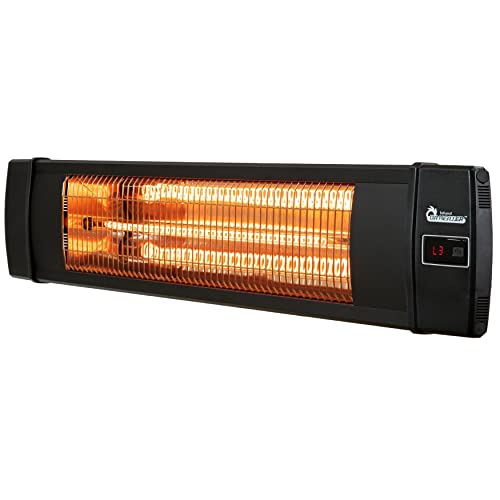
Type: Electric Infrared Heater. Output Modes: 900W, 1200W, 1500W with instant, odorless infrared warmth.
Call 888-896-7031 for Free Local HVAC Quotes – Compare and Save Today!
- IP55 Rating: Rated for indoor and outdoor use, making it suitable for covered patios or semi-enclosed spaces.
- Plug-and-Play: Standard 120V operation with remote control for convenience.
- Clean Heat: Infrared heating produces no combustion byproducts and performs better in mild wind compared with convective gas heaters.
Electric infrared units like the DR-238 are appropriate where gas fuel storage is restricted or where zero-emissions operation is preferred. Their performance is optimal in semi-sheltered outdoor areas since strong wind can reduce effectiveness.
Amazon Basics 46,000 BTU Patio Heater

Type: Propane Standing Heater. Heating Output: 46,000 BTU covering approximately a 9-foot radius.
- One-Touch Ignition: Simplifies startup with a push-button ignition system.
- Water Tank Base Option: Base designed to accept water ballast for added stability in windy conditions.
- Commercial & Residential Use: Marketed for both home patios and small commercial seating areas.
This model targets users who want a straightforward, reliable standing propane heater with basic safety and usability features like a weighted base and simple ignition.
Buying Guide: How To Choose The Right Patio Heater
Choosing a patio heater requires matching heater type to the outdoor environment, safety requirements, and intended usage patterns. Consider the following perspectives and factors before purchasing.
Heat Output And Coverage
BTU And Watt Ratings: Propane heaters list BTU output (e.g., 46,000–50,000 BTU) indicating potential coverage radius. Electric infrared models state watts and approximate square footage. Higher BTU/watt ratings generally cover larger areas but also require more fuel or energy.
Real-World Coverage: Remember that open-air environments reduce effective reach; sheltered or semi-enclosed patios get more benefit from a given output.
Fuel Type: Propane vs Electric Infrared
- Propane Heaters: Offer high BTU output, rapid radiant heating, and portability without electrical access. Require safe propane tank storage and regular refills.
- Electric/Infrared Heaters: Provide clean, instant heat with no combustion byproducts and simple plug-in operation. Best for covered patios or where gas is restricted. Less effective in strong winds and may require proximity to an outlet.
Safety Features
Tip-Over Protection: Automatic shut-off if the unit falls—standard on most modern models. Important for areas with children, pets, or uneven surfaces.
Certification And Build Quality: Look for ETL or similar certifications, corrosion-resistant materials (stainless steel), and stable bases or ballast options for wind resistance.
Portability And Installation
Wheels And Weight: For flexible outdoor layouts, wheels and moderate weight simplify repositioning. Consider assembly complexity and whether parts are pre-assembled.
Mounting Options: Freestanding, tabletop, wall-mounted, or ceiling-mounted heaters each suit different setups. Choose based on space and desired heat direction.
Durability And Maintenance
Materials: Stainless steel and durable mesh or quartz tubes resist rust and thermal stress. Double-layer meshes aim to extend life but verify claimed longevity with ratings and warranties.
Protective Covers: Covers help preserve finish and components during storage. Check whether a cover is included or sold separately.
Efficiency And Operating Cost
Fuel Consumption: Higher BTU heaters consume more propane per hour. Compare typical run times and tank compatibility when estimating operating cost.
Electric Energy Use: Compare wattage levels and runtime; infrared heaters can be more efficient for focused zones because they heat objects and people directly.
Ambiance And Noise
Flame Visibility: Pyramid and some standing heaters offer a visible flame which can enhance ambiance. Electric infrared units produce a warm glow without combustion noise.
Sound Level: Most patio heaters are quiet, but fuel valves and burner noise vary. For quiet seating areas, electric models may offer the lowest acoustic footprint.
Environment And Weather Considerations
Wind: Radiant heat disperses in strong wind—position units in sheltered areas or choose infrared for better wind tolerance in some cases.
Rain And Moisture: Check IP ratings and avoid using non-rated appliances in direct rain. Use covers and storage to extend life when not in use.
Comparison Perspectives
- Large Open Areas: High-BTU propane standing heaters are effective for wide coverage in fully outdoor settings.
- Semi-Enclosed Patios: Both high-BTU propane and electric infrared can perform well; electric offers cleaner operation if electricity access exists.
- Small Gatherings Or Tabletop Use: Tabletop propane heaters or lower-watt electric units provide targeted warmth without excessive output.
- Commercial Settings: Look for ETL listings, higher BTU output, and durable construction to handle frequent use.
When comparing models, weigh immediate heating needs, long-term operating costs, safety features, and installation constraints. Matching these factors to the intended outdoor environment yields the most effective patio heater solution for your space.
Tips for Getting the Best HVAC Prices
- Prioritize Quality Over Cost
The most critical factor in any HVAC project is the quality of the installation. Don’t compromise on contractor expertise just to save money. - Check for Rebates
Always research current rebates and incentives — they can significantly reduce your overall cost. - Compare Multiple Quotes
Request at least three estimates before making your choice. You can click here to get three free quotes from local professionals. These quotes include available rebates and tax credits and automatically exclude unqualified contractors. - Negotiate Smartly
Once you've chosen a contractor, use the proven strategies from our guide — How Homeowners Can Negotiate with HVAC Dealers — to get the best possible final price.