
Searching For The Best Infrared Ceiling Heater For Patio Means Balancing Power, Weather Resistance, And Mounting Flexibility. Below Is A Quick Comparison Table Of Top Ceiling-Mountable Infrared Patio Heaters Selected From Amazon Listings To Help You Compare Core Specs At A Glance.
| Product | Power / Voltage | Mounting | Weather Rating |
|---|---|---|---|
| Dr. Infrared Heater 10,260 BTU (3000W) | 3000W / 220–240V | Ceiling Or Wall | IP55 |
| Dr Infrared DR-238 Carbon (900–1500W) | 900/1200/1500W / 120V | Ceiling Or Wall, Plug-In | IP55 |
| Paraheeter Electric 1500W Carbon | 1500W / 120V | Ceiling, Wall, Tripod | IP Rated / Safety Features |
| Bromic Smart Heat Tungsten 6000W | 6000W / 220–240V | Ceiling Or Wall | Commercial Grade / Corrosion Resistant |
| thermomate Infrared 3000W Carbon Fiber | 3000W / 240V Hardwired | Ceiling Or Wall (Hardwired) | Designed For Outdoor Use |
Content Navigation
- Dr. Infrared Heater 10,260 BTU (3000W) For Patio
- Dr Infrared DR-238 Carbon Infrared Outdoor Heater
- Paraheeter Electric 1500W Infrared Patio Heater
- Bromic Heating Smart Heat Tungsten 6000W Radiant Heater
- thermomate Infrared Electric Patio Heater 3000W Carbon Fiber
- Buying Guide: How To Choose An Infrared Ceiling Heater For Your Patio
- 1. Power And Coverage
- 2. Voltage And Electrical Requirements
- 3. Mounting Options And Orientation
- 4. Weatherproofing And Durability
- 5. Heat Type And Efficiency
- 6. Controls And Convenience
- 7. Safety Features
- 8. Aesthetics And Ambient Lighting
- 9. Installation And Maintenance
- 10. Use Case: Residential Vs Commercial
- Comparison Perspectives For Decision-Making
Dr. Infrared Heater 10,260 BTU (3000W) For Patio
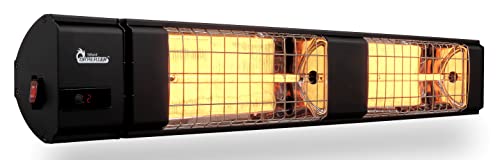
This Ceiling Or Wall-Mount Infrared Unit Uses A 3000W Carbon Infrared Element Producing About 10,260 BTU. It Operates On 220–240V And Includes A Power Plug For Easier Installation Where Compatible.
- Instant Heat From Carbon Infrared Element Targets People And Objects, Not Just Air.
- Easy Installation With Remote: Mounting Hardware Included; Remote Operates Two Power Levels And Standby.
- Outdoor-Ready: Weatherproof Design Rated IP55, Suitable For Patios, Garages, And Commercial Spaces.
This Model Emphasizes High Output And Weather Resistance, Making It Suitable For Larger Covered Patios Where A Hardier 220–240V Unit Is Acceptable.
Dr Infrared DR-238 Carbon Infrared Outdoor Heater
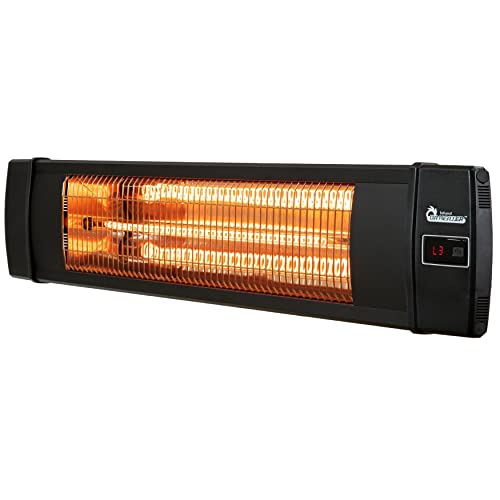
This Plug-In Infrared Heater Runs On Standard 120V With Three Power Settings (900W, 1200W, 1500W), Which Allows Flexible Heat Output For Smaller Patios And Semi-Enclosed Areas.
Call 888-896-7031 for Free Local HVAC Quotes – Compare and Save Today!
- Indoor And Outdoor Use: IP55 Rating For Weather Protection, Suitable For Open-Air Restaurants, Decks, And Residential Patios.
- Clean And Instant Heat: Carbon Infrared Produces Odorless, Targeted Warmth.
- Plug And Go: Remote-Controlled With Simple Installation And No Hardwiring Required.
The DR-238 Is Useful Where Plug-In Convenience And Lower Wattage Options Are Preferred, Or When You Need Variable Power Settings To Manage Energy Use.
Paraheeter Electric 1500W Infrared Patio Heater

This Unit Offers Multiple Mounting Options—Wall, Ceiling, Or Included Tripod—And Focuses On Safety And Energy Efficiency With Carbon Infrared Technology.
- Easy Assemble & Safety: Installation Video And Manual Included; Tip-Over Shutoff And Metal Safety Grille For Added Protection.
- Instant Heating & Low Operating Cost: Carbon Infrared Heats Objects Directly, Making It Effective Outdoors Where Wind Is Present.
- Versatility: Tripod Option Lets You Reposition The Heater Without Permanent Mounting.
The Paraheeter Is A Practical Option For Homeowners Who Want Mounting Flexibility And Added Safety Features, Especially For Part-Time Outdoor Use Or Occasional Repositioning.
Bromic Heating Smart Heat Tungsten 6000W Radiant Heater

This High-Output Commercial-Grade Heater Uses Tungsten Infrared Tubes To Deliver Strong, Even Heat For Large Covered Patios. The Frosted Tubes Provide A Warm Glow For Ambiance Along With Performance.
Call 888-896-7031 for Free Local HVAC Quotes – Compare and Save Today!
- Modern Ambiance: Frosted Tubes Offer A Softer Light While Radiating Heat.
- Flexible Placement: Designed For Wall Or Ceiling Mount To Direct Heat Where Needed.
- Durable Construction: Built To Resist Corrosion And High Temperatures For Long-Term Outdoor Use.
Bromic’s Tungsten Series Is Designed For Commercial Or Large Residential Patios Where High Power And Aesthetic Integration Matter, And Where 220–240V Dedicated Circuits Are Available.
thermomate Infrared Electric Patio Heater 3000W Carbon Fiber

This Hardwired 3000W Carbon Fiber Infrared Heater Claims Near-Instant Heat (3 Seconds) And Is Designed To Cover Roughly 100–130 Sq Ft Depending On Mounting And Shelter.
- Instant Heat: Carbon Fiber Tube Delivers Quick Radiant Warmth Unaffected By Wind.
- Coverage & Installation: Recommended Mount Height Around 7.88 Feet; Requires Hardwiring To A Dedicated Circuit.
- Timer & Control: Remote With 24-Hour Timer And Low/High Modes (1500W/3000W).
thermomate Is Suited For Patios Where A Hardwired, High-Output Solution Is Acceptable And Where Precise Timer Control Is Desired For Scheduled Use.
Buying Guide: How To Choose An Infrared Ceiling Heater For Your Patio
Selecting The Right Infrared Ceiling Heater For A Patio Requires Considering Power, Mounting, Safety, And Environment. The Following Key Factors Help Narrow Options.
1. Power And Coverage
Wattage And BTU Correlate To How Much Heat The Unit Produces. Small Covered Spaces Typically Require 900–1500W Units, Mid-Size Patios Often Use 3000W, And Large Or Commercial Areas May Benefit From 4000–6000W Systems. Consider Height And Obstructions—higher ceilings reduce felt warmth.
2. Voltage And Electrical Requirements
Check Whether The Heater Is 120V Plug-In Or 220–240V Hardwired. Plug-In Models Are Easier To Install But Offer Lower Maximum Output. Hardwired Units Offer Higher Power But Require An Electrician And A Dedicated Circuit.
3. Mounting Options And Orientation
Ceiling-Mountable Models Should Include Brackets Or Compatible Plates. Some Units Offer Wall, Ceiling, Or Tripod Options For Flexibility. Confirm Minimum Clearances And Bracket Adjustability To Aim Heat Toward Seating Areas.
4. Weatherproofing And Durability
Look For IP Ratings Like IP55 Or IP65 For Protection Against Rain, Dust, And Outdoor Conditions. Stainless Steel Or Corrosion-Resistant Finishes Improve Longevity In Coastal Or Humid Environments.
5. Heat Type And Efficiency
Carbon Infrared Typically Warms People And Objects Directly And Works Well Outdoors Because It’s Less Affected By Wind. Tungsten/Quartz Elements Deliver High-Intensity Heat Quickly And Are Common In Commercial Settings.
6. Controls And Convenience
Remote Controls, Timers, And Multi-Stage Power Settings Increase Usability. Wi‑Fi Or Programmable Timers Allow Scheduling And Energy Management. Consider Whether You Need Multiple Power Levels For Variable Weather.
7. Safety Features
Seek Units With Tip-Over Protection, Overheat Shutdown, Safety Grilles, And Proper Grounding. For Plug-In Models, Ensure The Cord And Plug Are Weather Rated Or Use Weatherproof Junctions For Outdoor Use.
8. Aesthetics And Ambient Lighting
Some Infrared Models Include Frosted Tubes Or Soft Glow Elements That Add Atmosphere To Outdoor Spaces. If Patio Ambience Matters, Look For Heaters That Balance Form And Function.
9. Installation And Maintenance
Confirm Included Hardware, Weight, And Installation Guides. Hardwired Systems May Require Professional Installation; Plug-In Units Often Allow DIY Mounting. Regular Cleaning Of Elements And Grilles Extends Service Life.
10. Use Case: Residential Vs Commercial
Commercial Environments May Require Higher-BTU Units, Durable Finishes, And Professional Installation. Residential Use Often Prioritizes Ease Of Installation, Lower Wattage Options, And Quieter Operation.
Comparison Perspectives For Decision-Making
When Comparing Models, Evaluate From Several Perspectives To Match Your Needs:
- Performance Perspective: Evaluate Wattage Vs. Covered Area, Element Type (Carbon vs. Tungsten), And Effective Range.
- Installation Perspective: Compare Plug-In Convenience Versus Hardwired Reliability And Required Clearances.
- Durability Perspective: Review IP Rating, Build Materials, And Manufacturer Warranties For Outdoor Longevity.
- Energy & Cost Perspective: Consider Multi-Level Power Settings And Timer Controls To Limit Runtime And Reduce Operating Costs.
- Aesthetic & User Experience: Assess Whether Ambient Light, Size, And Control Options Fit Your Patio Design And Routine.
Using These Criteria Will Help You Choose A Ceiling-Mount Infrared Heater That Matches Your Patio Size, Power Availability, Weather Conditions, And Usage Pattern.
Tips for Getting the Best HVAC Prices
- Prioritize Quality Over Cost
The most critical factor in any HVAC project is the quality of the installation. Don’t compromise on contractor expertise just to save money. - Check for Rebates
Always research current rebates and incentives — they can significantly reduce your overall cost. - Compare Multiple Quotes
Request at least three estimates before making your choice. You can click here to get three free quotes from local professionals. These quotes include available rebates and tax credits and automatically exclude unqualified contractors. - Negotiate Smartly
Once you've chosen a contractor, use the proven strategies from our guide — How Homeowners Can Negotiate with HVAC Dealers — to get the best possible final price.