
Radiant panel heaters deliver targeted warmth using either electric panels or hydronic distribution systems. This guide compares five top-rated options for indoor heating, under-desk warmth, wall-mounted convection panels, and preassembled hydronic control panels for floor heating. Below is a quick product summary to help you compare at a glance.
| Product | Type | Primary Use |
|---|---|---|
| Hydronic Radiant Heat Control Panel – 1 Zone (Floorheat) | Hydronic Control Panel | Underfloor & Space Heating Distribution |
| Hydronic Radiant Heat Control Panel 3-Zone (Warming Systems) | Hydronic Control Panel | Multi-Zone Radiant Floor Heating |
| Global Industrial Under The Desk Radiant Panel Heater | Electric Radiant Panel | Under-desk/Personal Space Heating |
| EconoHome Wall Heater Panel With Thermostat | Wall-Mounted Electric Convector | Room Heating / Wall Install |
| DeLonghi Mica Panel Space Heater | Freestanding / Wall-Mount Electric Panel | Whole Room Quiet Heating |
Content Navigation
- Hydronic Radiant Heat Control Panel – 1 Zone | Floorheat
- Hydronic Radiant Heat Control Panel 3-Zone | Warming Systems
- Global Industrial Under The Desk Radiant Panel Heater
- EconoHome Wall Heater Panel With Thermostat – 400W
- DeLonghi Mica Panel Space Heater – 1500W
- Buying Guide: How To Choose A Radiant Panel Heater
- 1. Heater Type And Application
- 2. Wattage, Coverage, And Heat Output
- 3. Installation And Mounting Options
- 4. Safety Features And Certifications
- 5. Energy Efficiency And Operation Mode
- 6. Zone Control And Scalability
- 7. Noise, Air Quality, And Comfort
- 8. Serviceability And Component Quality
- 9. Environment And Use Case Specifics
- 10. Compatibility With Existing Systems
Hydronic Radiant Heat Control Panel – 1 Zone | Floorheat

This preassembled hydronic heat distribution panel targets in-floor and space radiant systems as a compact, ready-to-install solution. It is preassembled to reduce installation time and includes standard connections for supply and return lines. The product is intended for use with a compatible boiler or heat source and requires coordination for delivery (direct phone number requested).
- Preassembled For Convenience: Designed to arrive ready for integration with manifold and boiler.
- High-Efficiency Design: Engineered to simplify hydronic radiant installations and reduce installation labor.
- Space-Saving Aesthetics: Compact layout built to fit neatly within utility closets or mechanical rooms.
Hydronic Radiant Heat Control Panel 3-Zone | Warming Systems

This 3-zone preassembled hydronic panel is aimed at multi-zone radiant floor heating systems. It includes expansion tank, pumps, and air separator components and is built with standard brand components for serviceability. The panel is compatible with glycol systems and can be used with boilers or water heaters, provided the correct circulation arrangement is present.
- Multi-Zone Control: Supports 1–4 hydronic zones with room for expansion and straightforward boiler/manifold connections.
- Factory-Assembled Components: Includes pumps, expansion tank, and air separation to reduce field assembly.
- Service & Support: Manufactured in the USA with engineering support resources and compatibility with common service parts.
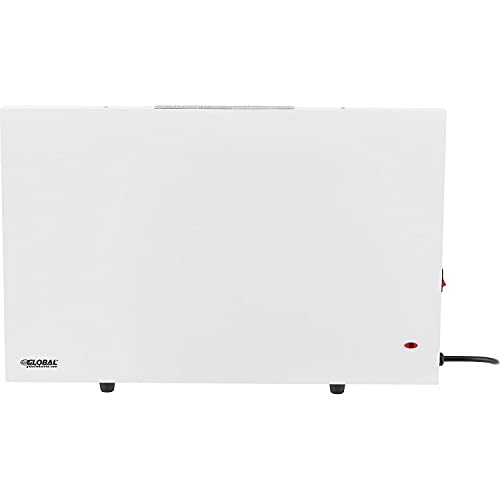
Global Industrial Under The Desk Radiant Panel Heater
Call 888-896-7031 for Free Local HVAC Quotes – Compare and Save Today!
The Global Industrial under-desk radiant panel is a small, low-wattage unit built for localized workspace warmth. It is lightweight and portable with an integrated stand for upright placement. Controls are simple and the unit includes a grounded power cord for standard outlets.
- Personal Heating: Designed for under-desk or near-desk use to warm legs and feet without heating the whole room.
- Built-In Stand & Controls: Upright positioning and an illuminated on/off rocker switch for straightforward operation.
- Portable Power: Includes a 6-foot grounded cord, allowing flexible placement near workstations.
EconoHome Wall Heater Panel With Thermostat – 400W

The EconoHome wall heater is a low-profile convector-style panel designed for permanently mounted room heating. It combines convective air circulation with some radiant output and includes an integrated thermostat, overheat protection, and energy-efficient operation at 400 watts for small rooms.
- Convector Panel Heater: Produces ambient warmth through convection currents while also emitting some radiant heat.
- Energy Efficiency: Rated for low wattage operation for rooms up to about 120 sq ft and designed to reduce overall heating consumption.
- Safety And Compliance: cETL approved with overheat protection and options for hardwiring if required.
DeLonghi Mica Panel Space Heater – 1500W

The De’Longhi Mica panel is a higher-output electric radiant panel suitable for medium to large rooms. It uses mica heating elements to provide quiet, dust-free warmth and includes safety features like thermal shutoff and tip-over protection. Mounting options include freestanding placement or wall mounting.
- Quiet Heating Technology: Mica elements deliver gentle heat without circulating dust or allergens.
- Full-Room Coverage: 1500W output and adjustable thermostat with multi-setting control for sustained room heating.
- Built-In Safety: Thermal shutoff, tip-over switch, and standby freeze-protection feature for added reliability.
Buying Guide: How To Choose A Radiant Panel Heater
Selecting the right radiant panel heater requires matching technology, capacity, and installation needs to the intended space. Below are the core considerations to evaluate before buying.
Call 888-896-7031 for Free Local HVAC Quotes – Compare and Save Today!
1. Heater Type And Application
Electric Panel Heaters (mica, ceramic, convector) are ideal for room-level heating, quick installs, and areas without hydronic infrastructure. Hydronic Panels And Distribution Systems serve underfloor radiant systems and whole-zone heat distribution, requiring boiler or water-heating integration.
2. Wattage, Coverage, And Heat Output
Choose based on room size and insulation. Low-wattage personal panels work for desks and small zones. Mid- to high-wattage panels (e.g., 1500W) suit larger rooms. Hydronic panels are sized by zone and manifold flow rates; consult system design specs for proper pump and manifold selection.
3. Installation And Mounting Options
Evaluate whether you need portable (freestanding), wall-mounted, or integrated hydronic solutions. Hydronic control panels arrive preassembled to reduce plumbing labor but require professional plumbing and boiler connections. Electric wall panels may require hardwiring or plug-in installation depending on local code.
4. Safety Features And Certifications
Look for overheat protection, tip-over switches (for freestanding units), thermal shutoff, and agency listings (ETL, cETL, UL) for electric panels. Hydronic panels should use certified components like expansion tanks and air separators and meet plumbing code expectations.
5. Energy Efficiency And Operation Mode
Consider continuous conversion rates and thermostat control. Electric panels convert electricity to heat with high instantaneous efficiency but differ in operating cost. Hydronic systems retain thermal mass and can be more efficient for whole-floor heating when paired with efficient boilers or heat sources and proper zoning.
6. Zone Control And Scalability
For whole-home or multi-room systems, choose panels that support zoning (multiple thermostats, manifold connections). Hydronic multi-zone panels provide centralized control and expansion capability; electric panels are typically room-focused unless connected to a smart home HVAC controller.
7. Noise, Air Quality, And Comfort
Radiant and mica panels operate quietly and do not rely on forced-air circulation, reducing dust movement and improving perceived comfort. Convector and fan-assisted panels may provide faster warm-up but can move more air.
8. Serviceability And Component Quality
For hydronic solutions, serviceable components and recognizable brand parts simplify future maintenance. Preassembled panels with standard fittings make repairs and expansion easier for HVAC/plumbing professionals.
9. Environment And Use Case Specifics
Consider humidity and location — potable or agricultural spaces (e.g., coops) require specialized rugged or IP-rated panels designed for animal enclosures. Home living spaces call for aesthetics, low surface temperatures, and reliable thermostatic control.
10. Compatibility With Existing Systems
When adding hydronic panels, confirm compatibility with existing boilers, pumps, and manifolds. Electric panels should be checked for circuit capacity and local electrical code compliance for hardwiring or outlet use.
Use these considerations to narrow options by type, capacity, and installation requirements. For hydronic installs, consult a qualified installer or engineer to size and integrate panels correctly. For electric panels, verify mounting, safety certifications, and thermostat controls to match room use and occupancy patterns.
Tips for Getting the Best HVAC Prices
- Prioritize Quality Over Cost
The most critical factor in any HVAC project is the quality of the installation. Don’t compromise on contractor expertise just to save money. - Check for Rebates
Always research current rebates and incentives — they can significantly reduce your overall cost. - Compare Multiple Quotes
Request at least three estimates before making your choice. You can click here to get three free quotes from local professionals. These quotes include available rebates and tax credits and automatically exclude unqualified contractors. - Negotiate Smartly
Once you've chosen a contractor, use the proven strategies from our guide — How Homeowners Can Negotiate with HVAC Dealers — to get the best possible final price.