
Outdoor gatherings are more comfortable year-round with the right heater. Below is a concise comparison of five top-rated outdoor porch heaters across electric infrared and propane designs to help you match coverage, portability, and weather resistance to your space.
| Product | Type | Key Feature |
|---|---|---|
| Dr Infrared DR-238 Carbon Infrared | Electric Infrared | IP55 Rated For Indoor & Outdoor Use, Remote |
| EAST OAK 50,000 BTU Patio Heater | Commercial Propane Tower | 50,000 BTU, Double-Layer Stainless Steel Burner |
| Hykolity Pyramid 48,000 BTU | Propane Glass-Tube | Visual Flame, 8–10 Hr Run Time On 20lb Tank |
| SereneLife Outdoor Electric Patio Heater | Electric Infrared | IP65, 900W Carbon Fiber Elements |
| Cuisinart Portable Tabletop Heater | Portable Propane Tabletop | 11,000 BTU, Anti-Tilt Safety Shut-Off |
Content Navigation
Dr Infrared DR-238 Carbon Infrared Heater
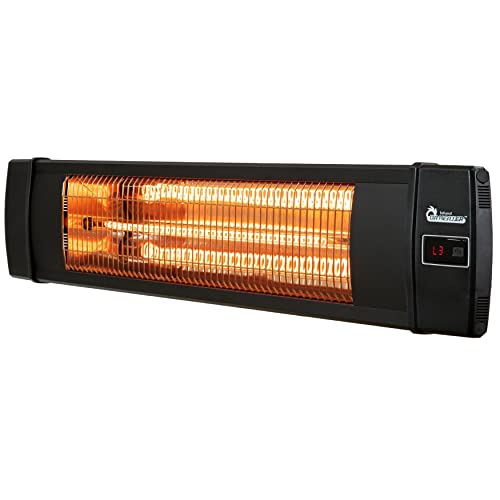
This model Is An IP55 Approved infrared heater rated for both indoor and outdoor use, making it suitable for covered porches and partially exposed patios. It offers three power settings (900W, 1200W, 1500W) and uses standard 120V power.
Key features listed by the brand include clean, instant, odorless infrared heat, remote control operation, and a plug-and-go setup. The dual indoor/outdoor rating supports flexible placement, while the carbon infrared element provides focused radiant warmth that heats people and objects rather than large volumes of air.
Consider this heater when you need quick, localized warmth without propane handling or permanent installation. The 120V compatibility means it can be used with typical household outlets, and remote control adds convenience for porch use.
EAST OAK 50,000 BTU Patio Heater

Call 888-896-7031 for Free Local HVAC Quotes – Compare and Save Today!
The EAST OAK is a high-output 50,000 BTU propane patio heater designed for larger patios and commercial spaces. Its double-layer 304 stainless steel heating mesh and upgraded reflector aim to deliver wider heat distribution and enhanced durability.
Manufacturer features note an effective heat spread up to a 20-foot diameter, ETL certification for safety, and two wheels for mobility. Assembly is described as straightforward with the reflector shield attaching in three pieces.
Choose this unit when you need broad-area warmth and a commercial-grade build. The taller profile and powerful BTU rating make it suitable for open-air restaurant patios or large residential decks where radiant propane heat is preferred.
Hykolity Pyramid Patio Heater 48,000 BTU

This 90-inch glass tube pyramid heater blends flame aesthetics with functional heat. Rated at 48,000 BTU, it uses a standard 20 lb propane tank and is advertised to run 8–10 hours on a full tank depending on settings.
Features include variable heat settings, built-in control valve, detachable wheels for portability, and a modern design that highlights the visible flame inside the tempered glass tube. The side door provides easy access to the propane tank for swaps.
Call 888-896-7031 for Free Local HVAC Quotes – Compare and Save Today!
Consider this heater when you want a decorative focal point with substantial heat output. The glass-tube style provides ambient flame visuals for porches and backyard entertainment areas while delivering radiant warmth to surrounding seating.
SereneLife Outdoor Electric Patio Heater

The SereneLife model Is A 900W electric infrared heater using carbon fiber elements and an IP65 weather-resistant aluminum frame for durability in outdoor settings. It offers two heat levels and remote control operation.
Key points from the product information include instant, odorless heat, high-efficiency elements with an 88% efficiency rating, and quiet operation. The IP65 rating indicates strong protection against dust and low-pressure water jets, suitable for many exposed porch environments when installed appropriately.
This product is suited for buyers seeking energy-efficient electric warmth without gas. Its compact footprint and weather resistance are practical for covered porches, screened-in patios, and areas where running propane is undesirable.
Cuisinart Portable Tabletop Patio Heater
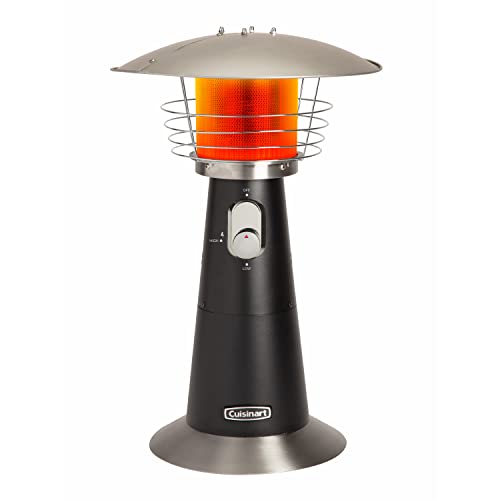
The Cuisinart tabletop heater Is A compact propane unit providing 11,000 BTU and designed for small-area heating up to about 30 sq ft. Its safety features include an anti-tilt automatic shut-off and a burner screen guard.
Manufacturer features emphasize portability and versatility for patios, camping, tailgates, and tabletop setups. The reflector top distributes heat evenly from a lightweight footprint intended for close-range warmth around a small table or seating group.
Opt for this heater when you need a portable, low-profile solution for intimate gatherings or when an electric outlet is not available. The anti-tilt safety shut-off is a key consideration for tabletop use.
Buying Guide: Choosing The Right Outdoor Porch Heater
Selecting an outdoor porch heater depends on space size, installation constraints, local regulations, fuel preference, and desired aesthetics. Below are key considerations and comparison perspectives to guide a purchase.
Coverage And Heat Output
- BTU And Area Coverage: Propane tower heaters (40,000–50,000 BTU) heat larger open spaces effectively, often providing warmth across 15–20 foot diameters. Smaller tabletop propane units (around 11,000 BTU) are intended for close-range zones up to 30 sq ft.
- Wattage For Electric Heaters: Electric infrared heaters are rated in watts (900W–1500W). Higher wattage provides stronger localized heat but remains best for covered or semi-enclosed porches rather than open yards.
- Radiant Vs Convective Heat: Infrared units produce radiant heat that warms people and objects directly. Propane towers emit radiant and convective heat and can create a more diffuse warming effect outdoors.
Fuel Type And Convenience
- Propane: Offers high BTU output and mobility without wiring. Requires tank storage and refills. Good for large, open patios and visual flame models.
- Electric: Easy plug-and-play, lower maintenance, no fumes, and often better for covered porches or garages. Requires access to a properly rated outlet and may have lower effective range outdoors.
- Hybrid Considerations: If you want fixed installation and minimal maintenance, consider hardwired electric options installed by a professional for safety and compliance.
Weather Resistance And Installation
- IP Ratings: Look for IP ratings for outdoor-rated electric heaters—IP65 and IP55 indicate good protection against dust and water ingress for exposed porches.
- Placement: Propane towers need stable, level surfaces and clearance above and around the reflector. Electric models may be wall-mounted, ceiling-mounted, or freestanding—check height and clearance requirements in the manual.
- Mounting And Mobility: Wheels and detachable bases help move tall heaters. Tabletop units prioritize portability. Consider wind exposure: tall tower heaters can be affected by gusts and may require sheltered placement.
Safety Features And Certifications
- Certifications: ETL or CSA certification indicates compliance with electrical and gas safety standards. Look for these marks for peace of mind.
- Safety Cutoffs: Anti-tilt switches, overheat protection, and automatic shutoffs are critical, especially for tabletop and freestanding propane heaters.
- Screening And Guards: Heated elements and open flames should have protective guards to minimize burn risk in high-traffic porch areas.
Energy Efficiency And Operating Cost
- Electric Efficiency: Infrared heaters convert much of their input to radiant heat; consider wattage and runtime for cost estimates. High-efficiency carbon fiber elements can reduce energy consumption for targeted heating.
- Propane Runtime: Propane heater runtime depends on tank size and BTU output. A 20 lb tank typically runs a mid-range tower for several hours; check manufacturer run-time estimates for your use case.
- Usage Patterns: For frequent short sessions, electric heaters may be more convenient. For long events where electrical access is limited, propane offers sustained output.
Aesthetics, Noise, And Comfort
- Visual Appeal: Glass-tube pyramid heaters provide flame ambiance. Reflector-style towers have a traditional look. Electric units are often lower profile and less visually intrusive.
- Noise: Most infrared electric heaters run quietly. Propane units may produce burner sound or a low hum from regulators—check user notes for comfort expectations.
- Warmth Distribution: Radiant heaters feel warmer at close range; towers excel at diffusing heat outward. Match unit type to how people are positioned on your porch.
Local Codes And Practical Considerations
- Building Codes: Check local fire and building codes for propane use on balconies or multi-family properties; some locations restrict open-flame devices.
- Covered Porches: For fully enclosed porches, electric heaters are generally safer. Propane requires ventilation to avoid accumulation of combustion byproducts.
- Maintenance: Propane burners and tanks need periodic inspection and cleaning. Electric heaters require less routine maintenance but should be protected from severe weather when not in use.
Comparison Perspective: If you prioritize maximum area heating, propane towers like the EAST OAK or Hykolity deliver the highest BTUs. For smaller, close-range comfort without fuel handling, electric infrared options such as the Dr Infrared DR-238 or SereneLife provide instant, odorless heat with easier operation. For tabletop portability and instant personal warmth, compact propane models such as the Cuisinart tabletop heater are convenient and include anti-tilt safety.
Final Purchase Tips: Measure your porch area, decide on fuel type and mounting, verify safety certifications, and match heater BTU or wattage to intended coverage. Plan for ventilation and clearance, and select a model whose installation fits your porch layout and local regulations.
Tips for Getting the Best HVAC Prices
- Prioritize Quality Over Cost
The most critical factor in any HVAC project is the quality of the installation. Don’t compromise on contractor expertise just to save money. - Check for Rebates
Always research current rebates and incentives — they can significantly reduce your overall cost. - Compare Multiple Quotes
Request at least three estimates before making your choice. You can click here to get three free quotes from local professionals. These quotes include available rebates and tax credits and automatically exclude unqualified contractors. - Negotiate Smartly
Once you've chosen a contractor, use the proven strategies from our guide — How Homeowners Can Negotiate with HVAC Dealers — to get the best possible final price.