
Selecting a mobile propane heater depends on where you need warmth—camping, workshops, garages, patios, or tiny homes. Below is a quick comparison of five propane heater options chosen for portability, safety features, adjustable output, and use cases.
| Product | Type | Output Range | Best For |
|---|---|---|---|
| Mr. Heater Portable Buddy MH9BX | Radiant Portable Heater | 4,000–9,000 BTU | Campers, small rooms, workshops |
| Mr. Heater 3-Setting Portable LP Heater | Variable-Output Portable Heater | 4,000 / 9,000 / 18,000 BTU | Larger patios, garages, multi-use |
| OKF Propane Heater Indoor And Outdoor | Pulse Ignition Portable Heater | 6,000 / 12,000 / 18,000 BTU | Garages, workshops, covered patios |
| Comfort Glow 11,000 BTU Direct Vent Wall Heater | Wall-Mount Vented Heater | 11,000 BTU | Medium rooms, basements |
| Comfort Glow 17,000 BTU Direct Vent Wall Heater | Wall-Mount Vented Heater | 17,000 BTU | Larger rooms, garages |
Content Navigation
Mr. Heater Portable Buddy Heater MH9BX
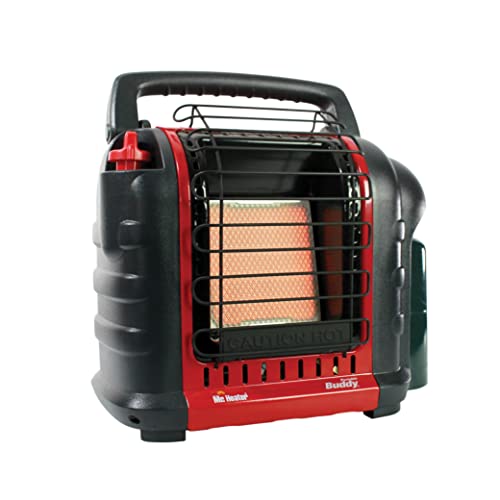
Type: Portable radiant propane heater. Output: 4,000–9,000 BTU for areas up to about 225 sq. ft. The unit uses advanced infrared technology to deliver direct, sun-like warmth to people and objects rather than relying solely on room air heating.
Key features include an improved tip-over safety switch that engages audibly if the unit shifts, and a reliable Piezo igniter for matchless start-up. The radiant design often produces quicker perceived warmth at close range, making it well suited to campers, small workshops, and screened patios.
Consider placement and ventilation: radiant units are effective at heating occupants directly but require cautious use in small enclosed spaces. The Buddy model is widely used as a lightweight, portable option where fast, focused heat is desirable.
Mr Heater 3-Setting Portable LP Gas Heater Unit
Call 888-896-7031 for Free Local HVAC Quotes – Compare and Save Today!
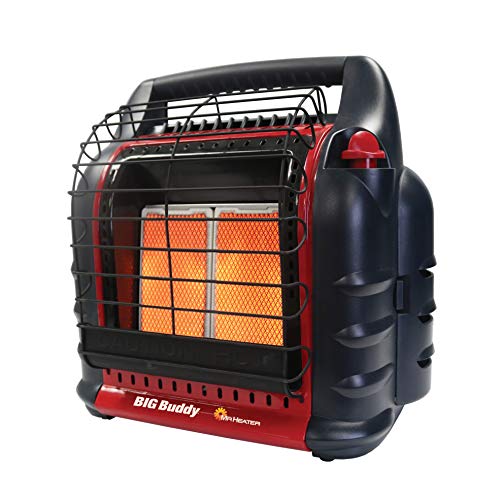
Type: Variable-output portable propane heater. Output: 4,000 / 9,000 / 18,000 BTU with an advertised coverage up to ~450 sq. ft. Designed to run from standard 20 lb tanks and compatible with larger tanks via optional hose and filter.
Notable for its three heat settings that allow tailoring of fuel consumption and comfort level. It uses a single control start knob and piezo sparker, and includes automatic safety shutoff in the event of tip-over. The 18,000 BTU setting makes it a stronger option where broader area heating is needed, such as garages, large porches, or open workshops.
Because this heater supports higher outputs and larger tanks, it suits users who need more flexible runtime and coverage while maintaining portability. Check compatibility and hose options if planning to use tanks larger than 20 lb.
OKF Propane Heater Indoor And Outdoor

Type: Portable pulse ignition propane heater. Output: 6,000 / 12,000 / 18,000 BTU with coverage up to ~450 sq. ft. Includes a gas regulator and hose for a 20 lb propane tank and an advertised runtime up to 69 hours on the low setting.
This model emphasizes safety with an oxygen depletion sensor (ODS) and automatic tip-over shutoff. Pulse ignition is noted as durable and easier to engage than some piezo systems. The adjustable three-mode output supports versatility across indoor/outdoor setups such as garages, covered patios, and job sites.
Call 888-896-7031 for Free Local HVAC Quotes – Compare and Save Today!
Users should follow ventilation and clearance instructions for indoor use; ODS is a protective feature but does not substitute for adequate airflow. The OKF unit aims to balance runtime economy with higher output capability when needed.
Comfort Glow 11,000 BTU Direct Vent Liquid Propane Wall Heater
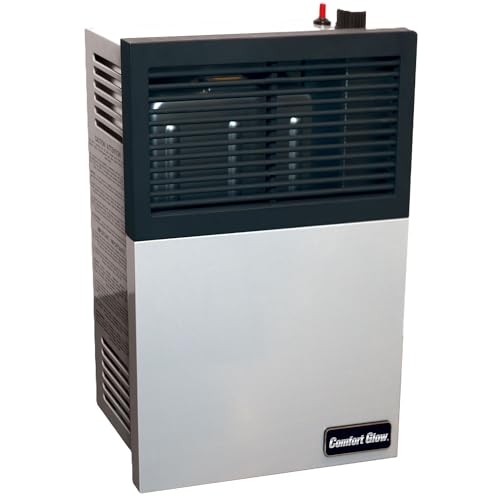
Type: Direct vent wall-mounted propane heater. Output: 11,000 BTU, designed to heat up to ~375 sq. ft. Features a sealed burn system with a safety pilot and matchless Piezo ignition.
This heater is intended for more permanent installation than portable tabletop models, offering vented combustion that removes combustion products outside. The sealed system and pressure regulator minimize indoor gas exposure concerns when installed correctly, making it suitable for basements, medium rooms, or garages where wall mounting is appropriate.
Because it requires wall mounting and venting, this unit is less mobile but offers continuous-room heating without occupying floor space. Installation considerations include clearance, vent routing, and adherence to local codes for vented gas appliances.
Comfort Glow 17,000 BTU Direct Vent Liquid Propane Wall Heater

Type: Direct vent wall-mounted propane heater. Output: 17,000 BTU for areas up to ~570 sq. ft. Uses a sealed combustion chamber with matchless Piezo ignition and built-in pressure regulation.
Designed for larger rooms or workshops where a permanent, efficient heat source is preferred. The vented combustion approach provides safer indoor air quality compared with non-vented units, assuming proper installation and vent routing. Wall mounting preserves floor space and provides steady, consistent heat distribution within the rated coverage area.
Evaluate installation requirements and venting paths before choosing a wall-mounted vented heater if portability or frequent relocation is required.
Buying Guide — How To Choose A Mobile Propane Heater
Choosing the right mobile propane heater requires balancing heat output, portability, safety, and installation. Consider these factors to match a heater to your primary use case.
Tips for Getting the Best HVAC Prices
- Prioritize Quality Over Cost
The most critical factor in any HVAC project is the quality of the installation. Don’t compromise on contractor expertise just to save money. - Check for Rebates
Always research current rebates and incentives — they can significantly reduce your overall cost. - Compare Multiple Quotes
Request at least three estimates before making your choice. You can click here to get three free quotes from local professionals. These quotes include available rebates and tax credits and automatically exclude unqualified contractors. - Negotiate Smartly
Once you've chosen a contractor, use the proven strategies from our guide — How Homeowners Can Negotiate with HVAC Dealers — to get the best possible final price.
Heat Output And Coverage
- BTU Rating: Higher BTU numbers indicate greater maximum heat output. For personal warmth at close range, 4,000–9,000 BTU radiant units are effective. For heating larger spaces, 12,000–18,000 BTU models provide broader coverage.
- Room Size: Estimate square footage and compare to manufacturer coverage. Portable units often specify effective area; factor in insulation and outdoor exposure.
Type Of Heating
- Radiant heaters (infrared) heat people and objects directly and feel warm quickly at close distance. Good for camping and spot heating.
- Convection or vented wall heaters distribute warm air to the room steadily; better for continuous heating of enclosed spaces and when mounted permanently.
Portability And Fuel Connection
- Tank Size Compatibility: Most portable units use 20 lb tanks; if you want longer run times without swapping, verify compatibility with larger tanks or optional hose kits.
- Weight And Form Factor: Tabletop or foldable designs are easier to carry for camping. Wall-mounted units offer no portability but save floor space.
Safety Features
- Tip-over Protection: Essential for portable units placed on uneven surfaces.
- ODS (Oxygen Depletion Sensor): Shuts off gas if oxygen falls below safe levels—important for indoor use.
- Sealed Combustion/Venting: Wall-mounted direct vent heaters expel combustion gases outdoors and can be safer for enclosed rooms than unvented models.
Ignition And Controls
- Ignition Type: Piezo and pulse ignitions are common. Piezo is battery-free; pulse ignition may offer longer life and easier starts.
- Adjustability: Multiple heat settings increase control over comfort and fuel use.
Runtime And Efficiency
- Runtime: Check low/high BTU runtime estimates on common tank sizes. Low settings extend run times significantly.
- Efficiency: Radiant heaters can feel more efficient for close-range use; however, vented wall heaters reduce indoor combustion by venting outside, which impacts perceived efficiency depending on use case.
Installation And Local Codes
- Vented Units: Require wall cutouts and venting according to manufacturer instructions and local building codes.
- Portable Units: Require clearances from combustibles and stable placement; follow ventilation guidance when using near enclosed spaces.
Use Case Scenarios
- Camping And Tailgating: Choose compact radiant or portable pulse-ignition models with simple setup and protective features.
- Workshops And Garages: Consider higher BTU portable units or wall-mounted vented heaters if the space is semi-permanent and needs constant warmth.
- Tiny Homes/Off-Grid: Direct vent wall heaters or energy-efficient tankless water heater combos might suit combined space and water heating needs; evaluate gas supply and venting needs carefully.
Maintenance And Durability
- Regular Checks: Inspect hoses, regulators, and fittings for wear. Replace parts as recommended by the manufacturer.
- Storage: Store units in dry locations and disconnect tanks during long-term storage.
Comparison Perspectives
- Portability vs. Continuous Heating: Portable radiant units excel for temporary, mobile use. Wall-mounted vented heaters provide continuous room heating without occupying floor space but lack mobility.
- Short-Term Warmth vs. Area Coverage: If you need quick warmth for a person or small group, radiant is efficient. For evenly warming larger enclosed areas, higher BTU or vented units perform better.
- Safety Tradeoffs: Non-vented portable heaters need careful ventilation monitoring; vented units mitigate indoor combustion but require installation effort.