
Quick Overview: If You Need Heat Without Relying On An Electrical Outlet, Options Vary From Propane Radiant Heaters To Small Electric Models Requiring A Plug. Below Is A Summary Table Of The Five Selected Portable Heaters From The Product List, Followed By Individual Product Details And A Buying Guide.
| Product | Power Source | Key Feature |
|---|---|---|
| Mr. Heater Portable Buddy Heater MH9BX | Propane (No Electric Plug) | Radiant Heat 4,000–9,000 BTU, Indoor-Safe |
| Dreo Space Heater, 1500W PTC Ceramic | Electric (Requires Plug) | Digital Thermostat, Remote, Safety Sensors |
| Lasko Portable Electric Ceramic Space Heater | Electric (Requires Plug) | Compact Bathroom Heater, 1500W |
| GiveBest Portable Electric Space Heater | Electric (Requires Plug) | Thermostat, Fan Mode, Two Heat Levels |
| Gaiatop Mini Space Heater, 500W | Electric (Requires Plug) | Ultra-Compact PTC Ceramic, Tip-Over Protection |
Content Navigation
Mr. Heater Portable Buddy Heater
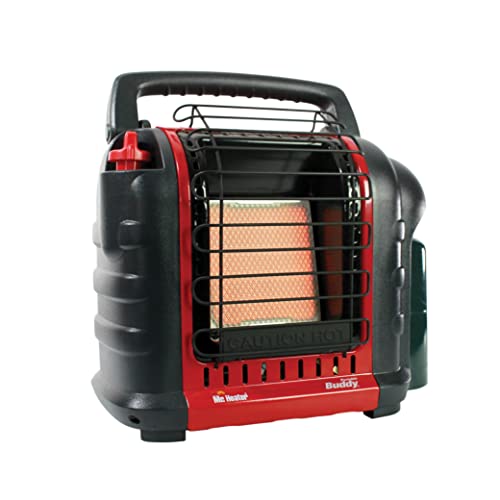
The Mr. Heater Portable Buddy MH9BX Is A Propane-Fueled Radiant Heater Designed For Portable, Plug-Free Operation. It Produces Between 4,000 And 9,000 BTU, Capable Of Heating Spaces Up To About 225 Sq. Ft. Using Infrared-Style Radiant Heat, It Warms Objects And People Directly Rather Than Relying On Convection Alone.
Key Safety And Convenience Features Include A Piezo Igniter For Matchless Start, An Improved Tip-Over Safety Switch That Engages Audibly, And Design Elements Intended For Indoor-Approved Use In Many Models. The Unit Is Commonly Used For Campers, Job Sites, Garages, And Patio Areas Where No Electrical Outlet Is Available.
Because It Runs On Disposable Or Refillable Propane Cylinders, The Mr. Heater Offers Genuine No-Plug Portability. Users Should Follow All Manufacturer Safety Guidance For Indoor Propane Use, Ventilation, And Compatible Cylinder Types.
Dreo Space Heater With Thermostat

Call 888-896-7031 for Free Local HVAC Quotes – Compare and Save Today!
The Dreo Space Heater Is A 1500W Electric PTC Ceramic Heater That Relies On An Electrical Outlet. It Emphasizes Rapid Heat Delivery Through A Hyperamics PTC System And A Heat Funnel Design For Extended Warm Air Circulation Compared To Traditional Fans.
Notable Technical Highlights Include An NTC Chipset For Precise Thermostat Control (41–95°F With 1°F Increments), An ETL-Certified Safety Suite With Overheat Protection, Tip-Over Detection, And V0 Flame-Retardant Materials. The Unit Also Offers A 12-Hour Timer, Multiple Modes, Digital Display, And Remote Control.
While This Model Requires A Plug, Its Safety Features And Precise Temperature Control Make It Suitable For Indoor Use Where A Standard Outlet Is Available.
Lasko Portable Ceramic Bathroom Heater

The Lasko CD08200 Is A Small Ceramic Space Heater Optimized For Bathrooms And Compact Areas. It Uses A 1500W Ceramic Element With Multiple Heat Settings And A Very Small Footprint, Making It Easy To Place On A Counter Or Floor Space.
This Model Focuses On Simplicity—Basic One-Button Controls Cycle Through Heat Settings And Off. The Unit Is Marketed For Fast Warm-Up Of Small Rooms, Featuring Energy-Efficient Ceramic Heat And A Compact Form Factor For Tight Spaces.
Call 888-896-7031 for Free Local HVAC Quotes – Compare and Save Today!
As An AC-Powered Heater, It Requires A Wall Outlet And Is Intended For Short-Term Use In Confined Spaces Like Bathrooms, Where Rapid Localized Heat Is Helpful.
GiveBest Portable Electric Heater Fan

The GiveBest Portable Electric Space Heater Offers Two Heat Levels (1500W And 750W) Plus A Cool Fan Mode, With A Thermostat That Cycles The Unit To Maintain A Set Temperature. It Is Designed To Heat Small Rooms Up To About 200 Sq. Ft., With A Compact, Transportable Housing.
Safety Is Addressed Via Flame-Retardant Construction, Overheat Shutoff, And Tip-Over Protection. The Thermostat Range Extends Up To 158°F, Allowing Users To Adjust Heat Output Based On Room Conditions. A Built-In Carry Handle Supports Portability From Room To Room When An Outlet Is Available.
Because This Heater Uses Standard Household Power, It Isn’t A No-Plug Solution, But It Provides Localized, Energy-Sparing Heat For Targeted Areas While Avoiding Whole-Home Heating.
Gaiatop Mini PTC Ceramic Heater

The Gaiatop Mini Space Heater Is An Ultra-Compact 500W PTC Ceramic Heater Intended For Desks, Small Rooms, Dorms, Or Offices. Its Low Power Draw Makes It A Lower-Load Option For Close-Range Heating When Portability Within A Plugged-In Setting Is Required.
Features Include Fast Heat-Up (2 Seconds), 45° Tip-Over Protection, Overheat Protection, And V0 Fireproof Materials For Long-Term Safe Use. Its Slim Profile Saves Space On A Desk Or Shelf, And It Is Marketed As An Efficient Choice For Personal Heating Needs.
This Unit Requires Household Power, So While Not A Plug-Free Device, It Offers A Compact And Low-Power Alternative For Near-Field Warmth.
Buying Guide: Choosing A Portable Heater With Or Without A Plug
Define Your Power Requirements: Determine If You Need A Heater That Operates Without Electricity. Propane Heaters (Like The Mr. Heater Buddy) Provide True Plug-Free Operation And High Heat Output Measured In BTUs. Electric Heaters Require Power Outlets And Are Rated In Watts (Typically 500–1500W For Portable Units).
Consider Location And Ventilation: For Indoor, Unvented Use, Confirm Manufacturer Certifications And Indoor Safety Ratings. Propane Units Require Safe Practices—adequate ventilation, correct cylinder type, And following CO/safety guidance. Electric heaters Are Simpler For Enclosed Spaces But Depend On Outlet Proximity.
Heat Delivery Type: Radiant Heat (Propane/Infrared) Warms People And Objects Directly And Works Well Outdoors Or In Drafty Spaces. Convection/Fan Heaters (Electric Ceramic) Warm Air And Are Effective For Enclosed Rooms.
Portability Factors: Look For Carry Handles, Weight, And Size. Propane Heaters Often Offer Higher Output Per Unit Weight But Require Fuel Storage. Small Electric Heaters Are Lightweight But Still Require An Outlet.
Safety Features: Essential Protections Include Tip-Over Shutoff, Overheat Protection, Flame-Retardant Materials, And Any Relevant Certifications (ETL/UL). For Propane Heaters, Confirm Indoor-Safe Labeling And Functioning Safety Switches.
Thermostat And Controls: Precise Thermostats And Timers Help Save Energy And Maintain Comfort. Digital Controls And Remote Operation Add Convenience For Electric Models. For Propane Units, look for adjustable BTU settings or low/high controls.
Power Efficiency And Coverage: For Electric Heaters, Higher Watts Deliver Faster Heating But Use More Power. Check The Manufacturer’s Suggested Coverage Area—BTUs For Fuel Burners And Square-Foot Estimates For Electric Units.
Use Case Scenarios: Choose A Propane Radiant Heater For Off-Grid Heating Needs—camping, workshops, or areas without outlets. Choose Electric Ceramic Or PTC Heaters For Safe, Clean, Plug-In Options In Homes, Offices, And Bathrooms.
Noise And Comfort: Fan-Assisted Electric Heaters Can Be Noisier Than Radiant Units. If Quiet Operation Is Important, Compare Product Specs And User Feedback On Fan Noise.
Maintenance And Fuel Logistics: Propane Units Require Fuel Refills And Periodic Inspection. Electric Heaters Require Less Ongoing Maintenance But Depend On Circuit Capacity—avoid overloading extension cords or circuits.
Regulatory And Safety Accessories: For Propane Use, Consider Carbon Monoxide Monitors And Follow Local Codes. For Electric Heaters, Use Grounded Outlets And Avoid Using Extension Cords Unless The Manufacturer Approves.
Comparison Perspectives:
- Performance Per Fuel Type: Propane Provides High Output Without Power Infrastructure; Electric Is Cleaner And Simpler Indoors.
- Operational Cost: Propane Cost Depends On Fuel Prices And Usage; Electric Cost Depends On Wattage And Local Electricity Rates.
- Convenience: Electric Units Typically Offer Easier Controls (digital thermostats, remotes); Propane Units Offer true mobility.
- Safety Management: Both Types Require Respecting Manufacturer Limits—propane needs ventilation; electric needs circuit safety.
Use The Above Criteria To Match A Heater To Your Specific Needs—whether You Require A Plug-Free Propane Option For Remote Use Or An Electric Ceramic Unit For Targeted Indoor Heating.
Tips for Getting the Best HVAC Prices
- Prioritize Quality Over Cost
The most critical factor in any HVAC project is the quality of the installation. Don’t compromise on contractor expertise just to save money. - Check for Rebates
Always research current rebates and incentives — they can significantly reduce your overall cost. - Compare Multiple Quotes
Request at least three estimates before making your choice. You can click here to get three free quotes from local professionals. These quotes include available rebates and tax credits and automatically exclude unqualified contractors. - Negotiate Smartly
Once you've chosen a contractor, use the proven strategies from our guide — How Homeowners Can Negotiate with HVAC Dealers — to get the best possible final price.