
Choosing the right outdoor mounted heater means balancing coverage, power type, durability, and installation. Below is a concise comparison of five top outdoor mounted infrared and electric heaters selected for patio, garage, and commercial use.
| Product | Type / Power | Key Features |
|---|---|---|
| Dr Infrared DR-238 Carbon Infrared Outdoor Heater | 120V Infrared, 900–1500W | IP55, 3 power settings, remote, plug-and-go |
| Dr. Infrared 10,260 BTU / 3000W Infrared Heater | 220–240V Carbon Infrared, 3000W | IP55, remote, ceiling/wall mount, high BTU |
| ThermoMate Infrared Electric Patio Heater | Hardwired 240V, 3000W | Instant 3s heat, 100–130 sq.ft coverage, 24h timer |
| sundate Ceiling Electric Outdoor Heater | 1500W Infrared, 9 heat levels | IP65, wifi & remote, 24h timer, fast heating |
| EAST OAK Patio Heater 1500W | 1500W Infrared, 3 settings | 1s startup, ULG gold lamp, IP-rated, 24h timer |
Content Navigation
- Dr Infrared DR-238 Carbon Infrared Outdoor Heater For Restaurant, Patio, Backyard, Garage, And Decks
- Dr. Infrared 10,260 BTU Infrared Heater For Patio, Garage & Commercial
- ThermoMate Infrared Electric Patio Heater 3000W Carbon Fiber Heating
- Ceiling Electric Outdoor Heater Wall-Mounted Hanging Patio 1500W Infrared
- EAST OAK Patio Heater Wall Mounted & Standing 1500W Infrared Electric Heater
- Buying Guide: How To Choose An Outdoor Mounted Heater
Dr Infrared DR-238 Carbon Infrared Outdoor Heater For Restaurant, Patio, Backyard, Garage, And Decks
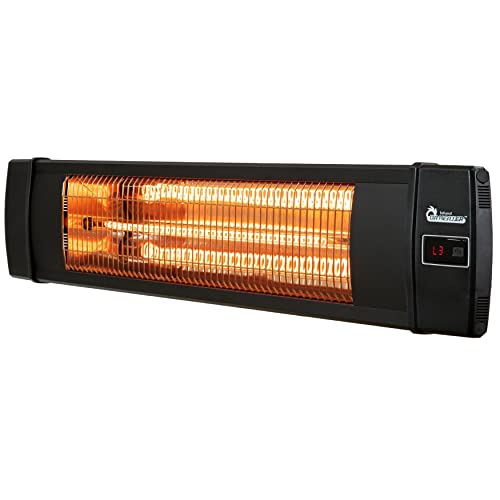
The DR-238 is designed as an indoor and outdoor carbon infrared heater with an IP55 rating, allowing it to be installed in semi-exposed environments such as covered patios and open-air restaurant spaces. It offers three power settings (900W, 1200W, 1500W) and operates on standard 120V power, making it suitable where hardwiring is not available.
Key functional points include clean, odorless infrared heat and a remote control for on/off and power selection. The unit is described as plug-and-go and suitable for multi-location use including garages and decks. Its design focuses on straightforward installation and flexible power selection for varying outdoor conditions.
Dr. Infrared 10,260 BTU Infrared Heater For Patio, Garage & Commercial
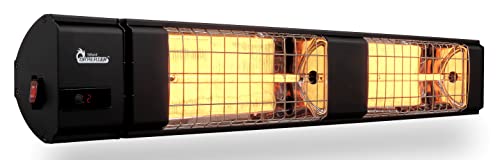
This higher-output unit features a 10,260 BTU / 3000W carbon infrared element and is intended for larger patios or semi-enclosed commercial spaces. It operates on 220–240V and includes mounting hardware for both ceiling and wall installations.
Call 888-896-7031 for Free Local HVAC Quotes – Compare and Save Today!
The unit carries an IP55 weatherproof rating and offers remote control operation for power levels and standby mode. Its listed features emphasize immediate infrared heat and suitability for both residential and commercial environments such as restaurants and workshops where high heating capacity is required.
ThermoMate Infrared Electric Patio Heater 3000W Carbon Fiber Heating

The ThermoMate heater emphasizes instant 3-second heating with a carbon fiber heating tube and a rated output of 3000W. It is intended to cover around 100–130 sq.ft depending on mounting height and environment, and the unit requires hardwiring to a dedicated 240V circuit.
Included controls feature a full remote with 24-hour timer and selectable low/high power modes (1500W/3000W). The product’s features highlight direct infrared warming of people and objects, which reduces sensitivity to wind compared to convective heaters, making it practical for open or semi-open patios.
Ceiling Electric Outdoor Heater Wall-Mounted Hanging Patio 1500W Infrared

This 1500W infrared heater is marketed with 1-second fast heating and 98% efficiency claims for carbon fiber heating. It offers multiple mounting options (wall or ceiling) and includes both remote and Wi‑Fi control for scheduling and level selection.
Call 888-896-7031 for Free Local HVAC Quotes – Compare and Save Today!
The unit carries an IP65 waterproof rating, which suggests stronger protection for fully exposed outdoor installations. Additional features list 9 heat levels, two remotes provided, and a durable metal cover aimed at reducing noise and corrosion in outdoor environments.
EAST OAK Patio Heater Wall Mounted & Standing 1500W Infrared Electric Heater
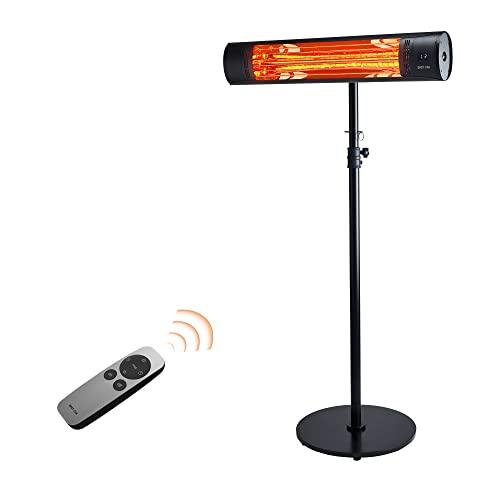
The EAST OAK model focuses on near-instant warmth with a patented ULG gold-coated heating lamp that claims a 1-second startup. It provides three heat settings (1000W–1500W) and an LED display for easy reading of modes and timer settings.
Highlighted features include low glare tech via multi-layer lamp coating, an estimated coverage range around 65–97 sq.ft, and usability in both indoor and outdoor settings. The heater includes an IP rating and safety protections such as tip-over and overheating safeguards.
Buying Guide: How To Choose An Outdoor Mounted Heater
This buying guide covers core considerations when selecting a mounted outdoor heater, including power, mounting, coverage, weather protection, safety, controls, and energy type.
Power And Coverage
- Wattage/BTU: Higher wattage or BTU correlates with larger coverage. Small patio heaters typically range 900–1500W while high-output units are 3000W and above.
- Area To Heat: Estimate seating area and mounting height. A 1500W unit is often used for localized seating (50–120 sq.ft depending on wind), while 3000W targets larger or semi-enclosed areas.
Mounting Options And Installation
- Plug-In vs Hardwired: Plug-in (120V) units allow flexibility and easier installation. Hardwired (240V) or dedicated circuit units typically provide higher output and require electrician installation.
- Mount Type: Ceiling mounts focus heat downward over a table; wall mounts direct heat across a seated zone. Consider recommended mounting height — too high reduces effective warmth.
Weather Resistance And Durability
- IP Ratings: IP55 vs IP65: IP55 resists limited water spray and dust; IP65 offers stronger protection for more exposed locations. Choose rating based on how exposed the heater will be to rain, snow, wind, and dust.
- Materials: Aluminum alloy, rustproof metal covers, and sealed electronics extend outdoor lifespan.
Heating Technology
- Infrared Carbon/Quartz: Infrared heaters warm people and objects directly, offering better performance in breezy conditions compared to convection heaters that warm air.
- Instant Heat: Carbon fiber or quartz tubes produce rapid warmth; verify startup time claims and expected comfort area.
Controls And Convenience
- Remote & Timers: Remote control and 24-hour timers add convenience for scheduled use and energy savings.
- Variable Heat Levels: Multiple heat levels and memory functions allow tailored comfort and can reduce energy use.
- Smart/Wi‑Fi: Wi‑Fi-enabled units permit app control and integrations, useful for commercial settings or automated schedules.
Safety Features
- Overheat Protection: Automatic shutoff prevents damage and reduces fire risk.
- Tip-over & Mount Safety: For standing or tripod options, tip-over shutoff is critical. For mounted units, ensure secure hardware and follow manufacturer mounting guidelines.
- Certifications: ETL/CSA/UL listings indicate third-party safety testing.
Energy Efficiency And Operating Costs
- Operating Mode: Infrared heaters focus energy on occupants rather than heating all the air, often reducing perceived operating cost in outdoor use.
- Power Cycling: Use timers and lower heat levels to minimize energy consumption when full power is unnecessary.
Commercial Versus Residential Use
- Commercial Considerations: Look for high BTU/3000W-class units, robust IP ratings, and mounting hardware for frequent use and public spaces.
- Residential Considerations: Plug-in 120V units or 1500W wall/ceiling heaters are often sufficient for home patios and garages while avoiding complex wiring.
Comparison Perspectives
- Performance vs Installation: Hardwired 3000W heaters deliver larger coverage but require professional installation. Plug-and-play 120V models are easier to install but generally cover smaller zones.
- Durability vs Cost: IP65-rated fixtures and metal housings increase upfront cost but improve lifetime performance in exposed locations.
- Controls vs Simplicity: Wi‑Fi and multiple heat levels add convenience and energy savings but introduce complexity and potential maintenance points.
Use the above factors to match heater features to your space: choose higher IP ratings for fully open patios, larger wattages for commercial or expansive areas, and convenient controls for frequent scheduling or remote operation.
Tips for Getting the Best HVAC Prices
- Prioritize Quality Over Cost
The most critical factor in any HVAC project is the quality of the installation. Don’t compromise on contractor expertise just to save money. - Check for Rebates
Always research current rebates and incentives — they can significantly reduce your overall cost. - Compare Multiple Quotes
Request at least three estimates before making your choice. You can click here to get three free quotes from local professionals. These quotes include available rebates and tax credits and automatically exclude unqualified contractors. - Negotiate Smartly
Once you've chosen a contractor, use the proven strategies from our guide — How Homeowners Can Negotiate with HVAC Dealers — to get the best possible final price.