
Compact baseboard heating options include electric heaters and replacement covers for 24-inch (2 ft) units. The picks below focus on compatibility, material, and installation notes to help match a 2-foot baseboard requirement. The summary table lists the five selected products for quick comparison.
| Product | Type | Key Feature |
|---|---|---|
| Cadet F Series 24″ Electric Baseboard Heater | Electric Heater | Steel construction, 240/208V |
| Marley 2542NW 240V 2′ Baseboard Heater | Electric Heater | Convection heating, wiring compartment |
| KING 2K2405BW K Series Baseboard Heater | Electric Heater | Aluminum ribbon fin element, 500W |
| Baseboarders Premium Series 2 ft Cover | Hydronic Cover | Galvanized steel, lifetime rust warranty |
| Saree Upgraded 2 FT Slip-On Heater Cover | Replacement Cover | Galvanized steel slip-on with endcaps |
Content Navigation
Cadet F Series 24″ Electric Heater
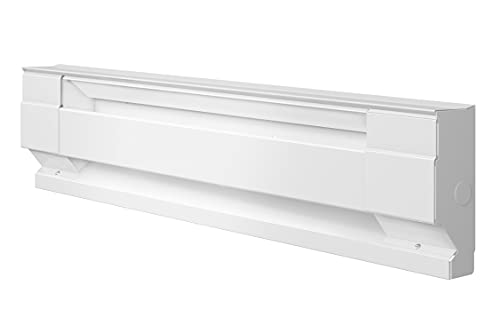
This Cadet F Series model is a 24-inch (2 ft) electric baseboard heater specified for 240/208 volts. The listed features note a white steel exterior and electric power source. Output ratings (350/262 Watts) and corresponding BTU values are included with the product data, which indicates suitability for small rooms or supplemental heating.
- Material: Steel housing for durability.
- Voltage: 240/208V hard-wired application.
- Use case: Compact spaces or topping up heat in specific zones.
Marley 2542NW 2′ Baseboard Heater
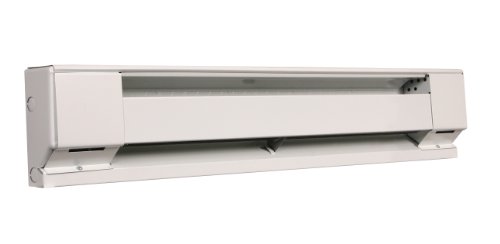
The Marley 2542NW is designed as a 2-foot electric baseboard heater that relies on natural convection to move warm air. Its features highlight rapid, even room heating without a fan, and a wiring compartment designed for accessible installation including dual knockouts and cable clamp.
- Heating Method: Natural convection for quieter operation and reduced dust circulation.
- Installation: Large wiring compartment and built-in cable clamp ease hard-wiring.
- Application: Rooms where low-noise, steady heat is preferred.
KING K Series 27″ Baseboard Heater

Call 888-896-7031 for Free Local HVAC Quotes – Compare and Save Today!
While this KING model lists a 27-inch length, it is often used in tight spaces where slightly longer coverage is acceptable. It features an aluminum ribbon fin element and a full-length safety cutout. The product is intended for hard-wired installation at 500W/240V and is not a plug-in unit.
- Element Type: Aluminum ribbon fin designed for efficient heat transfer.
- Safety: Full-length safety cutout to protect against overheating.
- Installation: Hard-wired for fixed installation; not plug-and-play.
Baseboarders Premium 2 ft Cover

The Baseboarders Premium Series cover is specified as a 2 ft galvanized steel replacement panel for hydronic (water) baseboard heaters. The listing emphasizes a lifetime warranty against rust and suitability for humid rooms like bathrooms. The product notes it should not be used on electric baseboard heaters.
- Material: Galvanized steel for longevity and rust resistance.
- Compatibility: Hydronic systems only — do not use on electric units per product notes.
- Finish: White finish and optional end caps for a completed look.
Saree 2 FT Slip-On Heater Cover Kit

The Saree upgrade kit is a galvanized steel slip-on cover with left and right endcaps intended to replace old or rusty heater covers. The product includes measurement guidance for backplate heights and element clearances to support proper fit and airflow.
- Compatibility Guidance: Backplate and element clearance measurements are specified to ensure fit.
- Installation: Slip-on design aims for straightforward DIY replacement; some trimming may be necessary.
- Use Case: Visual refresh and improved safety for hydronic or non-electric heating elements where compatible.
Buying Guide: How To Choose A 2 Foot Baseboard Heater Or Cover
This guide covers key considerations across electric heaters, hydronic systems, safety, and compatibility to help match products to installation needs.
Call 888-896-7031 for Free Local HVAC Quotes – Compare and Save Today!
Determine Heater Type And Compatibility
- Electric vs. Hydronic: Electric baseboard heaters contain the heating element and must be matched to voltage and wiring. Hydronic covers are decorative/external and are made for water-based systems; they must not be used on electric elements unless explicitly stated.
- Length Match: A “2 ft” product generally refers to a 24-inch cover or heater. Confirm actual product length and room run lengths before purchase.
Installation And Wiring
- Hard-Wired Requirements: Many electric baseboard heaters require hard-wiring and may need a dedicated circuit. Ensure compliance with local electrical codes; consider professional installation for electric units.
- Wiring Access: Look for products with a large wiring compartment, dual knockouts, or built-in clamps for easier connections and conduit routing.
Materials, Durability, And Environment
- Galvanized Steel Vs. Aluminum: Galvanized steel covers resist rust and are ideal for humid areas like bathrooms. Aluminum elements are common in electric heaters for efficient heat transfer.
- Finish And Warranty: A lifetime rust warranty is advantageous for covers used in damp environments.
Safety Features
- Safety Cutouts: Electric heaters with full-length safety cutouts provide added protection against overheating.
- Clearances: Follow recommended clearances from the product for floor-to-backplate and element-to-cover distances to avoid reduced performance or hazards.
Performance And Room Sizing
- Wattage And BTU Ratings: Check wattage and BTU outputs to estimate coverage area. Lower-watt small heaters are appropriate for supplemental heat in small rooms; larger wattage units are needed for primary heating in larger spaces.
- Convection Vs. Forced Air: Convection baseboards provide steady, quiet heat without the dust circulation of a fan; choose based on sensitivity to noise or air movement.
Installation Ease And Aesthetics
- Slip-On Covers: Provide a quick visual upgrade and can restore safety around hot elements or hide rust. Verify exact fit and whether end caps are included.
- Panel Height And Profile: “Tall” panels or premium profiles change how heat disperses and can improve room aesthetics; ensure panels don’t obstruct required airflow.
Multiple Comparison Perspectives
- Electrical Perspective: Compare voltage and wiring needs; an electric heater requires appropriate circuit sizing and may include safety cutouts.
- Hydronic Perspective: For water-based systems select galvanized covers rated for hydronic use; these should explicitly state they are not for electric heaters.
- Installation Complexity: Evaluate whether the product is a simple slip-on cover or requires full replacement wiring and mounting. Factor in professional labor for electrical work.
- Durability Vs. Cost: Steel and galvanized finishes increase lifespan, especially in humid areas, while thin plastic or basic panels may cost less but offer less longevity.
Use the features and compatibility notes from product listings to confirm the right fit. Measure the existing backplate and element clearances before ordering replacement covers, and verify voltage and circuit availability for electric heaters. For electric models, consult local code or an electrician when hard-wiring is required.
Tips for Getting the Best HVAC Prices
- Prioritize Quality Over Cost
The most critical factor in any HVAC project is the quality of the installation. Don’t compromise on contractor expertise just to save money. - Check for Rebates
Always research current rebates and incentives — they can significantly reduce your overall cost. - Compare Multiple Quotes
Request at least three estimates before making your choice. You can click here to get three free quotes from local professionals. These quotes include available rebates and tax credits and automatically exclude unqualified contractors. - Negotiate Smartly
Once you've chosen a contractor, use the proven strategies from our guide — How Homeowners Can Negotiate with HVAC Dealers — to get the best possible final price.