
Quick Overview: This guide compares five tankless hot water heaters across electric, propane, and natural gas types to help American homeowners pick the right unit for point-of-use or whole-home needs. The picks include high-flow gas models and compact electric units for retrofit or space-saving installations.
| Model | Fuel Type | Key Feature | Approx. Flow |
|---|---|---|---|
| Rinnai V75IN | Natural Gas | High Flow, Indoor Use | Up To 7.5 GPM |
| Rheem RTEX-24 | Electric | 24kW Self-Modulating | Up To 5.9 GPM |
| EcoSmart ECO 11 | Electric | Self-Modulating, Compact | Point-Of-Use |
| VELPAX Propane | Propane Gas | Digital Temp, Safety Protections | Up To 4.74 GPM |
| Orbek 14kW | Electric | ETL Certified, Point-Of-Use | Up To 3.38 GPM |
Content Navigation
- Rinnai V75IN Tankless Hot Water Heater, Indoor
- Rheem RTEX-24 24kW 240V Electric Tankless Water Heater
- EcoSmart ECO 11 Electric Tankless Water Heater
- Propane Tankless Water Heater, 4.74GPM 18L Indoor (VELPAX)
- 14kW Tankless Water Heater Electric, ORBEK 240 Volt
- Buying Guide: How To Choose A Tankless Hot Water Heater
- 1. Fuel Type And Availability
- 2. Flow Rate (GPM) And Simultaneous Use
- 3. Temperature Rise
- 4. Electrical And Gas Supply Requirements
- 5. Installation Location And Venting
- 6. Efficiency And Control Features
- 7. Durability, Materials, And Scale Management
- 8. Maintenance And Serviceability
- 9. Safety Features
- 10. Point-Of-Use Vs. Whole-House Strategy
Rinnai V75IN Tankless Hot Water Heater, Indoor
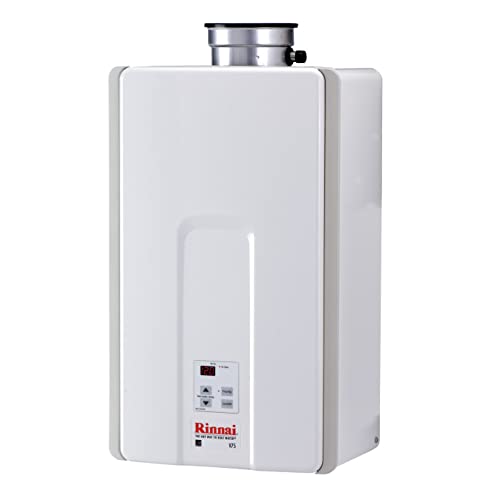
Fuel Type: Natural Gas. Flow Capacity: Up To 7.5 GPM. This unit targets higher-demand homes and can supply multiple fixtures simultaneously.
Key features listed include endless hot water, energy and space efficiency, scale detection to reduce long-term damage, and a high-performance flow rate suitable for serving several appliances at once. The V75IN is designed for indoor installation and emphasizes consistent output and durability. For houses with higher simultaneous hot water needs, the Rinnai’s 7.5 GPM rating positions it as a whole-house candidate where adequate gas supply and proper venting can be provided.
Rheem RTEX-24 24kW 240V Electric Tankless Water Heater
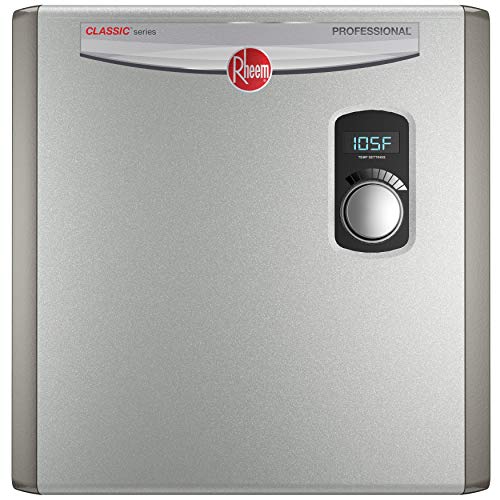
Fuel Type: Electric. Power: 24kW. Flow Capacity: Up To 5.9 GPM. This model suits larger electric installations or small whole-home electric applications.
Call 888-896-7031 for Free Local HVAC Quotes – Compare and Save Today!
Listed features include an ON/OFF dial control with adjustable digital temperature display and self-modulating power control that adjusts energy use to demand. Rheem specifies the RTEX-24 as capable of up to 5.9 GPM, making it one of the higher-flow electric options for homes with 240V service and sufficient breaker capacity. The self-modulation helps with energy efficiency by varying power with flow and temperature rise.
EcoSmart ECO 11 Electric Tankless Water Heater

Fuel Type: Electric. Power: 13kW at 240V. This compact unit is built for point-of-use or small-demand applications and boasts patented self-modulating technology.
Manufacturer features emphasize endless on-demand hot water, continuous monitoring of water temperature and controlled flow rates for temperature accuracy within 1 degree. The ECO 11 is promoted as space-saving and highly efficient, heating water only when needed and offering a compact wall-mounted footprint. The unit may be best suited to single fixtures, remote sinks, or supplemental installations where a small, efficient heater is desired.
Propane Tankless Water Heater, 4.74GPM 18L Indoor (VELPAX)

Fuel Type: Propane (LPG). Flow Capacity: Up To 4.74 GPM. The unit lists multiple safety protections and a digital display for temperature control.
Call 888-896-7031 for Free Local HVAC Quotes – Compare and Save Today!
Key features reference steady temperature control and safety devices such as flame failure, anti-freeze protection, and overheating protection. It operates at low inlet water pressure (3.6 PSI) and can reach a maximum temperature rise of 149°F. Construction notes include a stainless steel body and oxygen-free copper water tank for durability and reduced heat loss. The VELPAX model is positioned for indoor use and smaller multi-point needs with digital control for precise temperature settings.
14kW Tankless Water Heater Electric, ORBEK 240 Volt

Fuel Type: Electric. Power: 14kW. Flow Capacity: Up To 3.38 GPM. ETL certified and designed for 2–3 point-of-use applications.
ORBEK’s listed features note installation requirements: a 240V/60AMP two-pole breaker and 6 AWG wiring. The unit provides instant hot water in about 3 seconds and uses water-electricity separation to minimize scale and corrosion. The product claims high energy efficiency and is intended for small multi-point service or point-of-use installations where modest flow rates are needed. Ensure electrical infrastructure matches the specified breaker and wire sizes before installation.
Buying Guide: How To Choose A Tankless Hot Water Heater
Choosing the right tankless unit depends on fuel type, required flow rate, temperature rise, installation constraints, and long-term maintenance. Below are key considerations:
1. Fuel Type And Availability
- Natural Gas/Propane: Higher BTU output and higher flow rates for whole-house use. Requires gas lines and venting. Propane units often require LPG-specific components.
- Electric: Easier to install where sufficient electrical service exists. Requires high-amperage breakers and adequate wiring. No venting required.
2. Flow Rate (GPM) And Simultaneous Use
Calculate peak simultaneous demand by adding expected flows: shower (~1.5–2.5 GPM), dishwasher (~1–2 GPM), faucet (~0.5–1.5 GPM). Choose a unit with a higher GPM than peak demand, or select point-of-use units for remote fixtures.
3. Temperature Rise
Temperature rise equals desired outlet temperature minus incoming groundwater temperature. In cold climates, higher output or gas units are often necessary to reach desired temperatures at needed flow rates. Check manufacturer charts for GPM at specific temperature rises.
4. Electrical And Gas Supply Requirements
- Electric Units: Review breaker size and wire gauge requirements (e.g., 60A, 6 AWG). Upgrading service can add cost.
- Gas Units: Confirm gas line sizing and proper venting. Professional installation ensures safe combustion and venting.
5. Installation Location And Venting
Indoor gas units require venting; electric units generally require only wall mounting and water connections. Consider clearance, freeze protection, and accessibility for maintenance.
6. Efficiency And Control Features
Self-modulating technology adjusts power to flow demand and improves efficiency. Digital thermostats and precise controls improve temperature consistency and reduce scald risk.
7. Durability, Materials, And Scale Management
Look for corrosion-resistant materials (stainless steel, copper heat exchangers) and features that minimize scale buildup. Hard water areas may require water softening or regular descaling.
8. Maintenance And Serviceability
Check for field-serviceable components and accessible filters or service valves. Regular flushing and cleaning extend unit life. Verify warranty terms and availability of local service technicians.
9. Safety Features
Gas models should include flame failure and overheat protection. Propane and gas models often include anti-freeze or combustion safety features. Electric units rely on thermal cutoffs and proper wiring protection.
10. Point-Of-Use Vs. Whole-House Strategy
- Point-Of-Use: Small electric units installed close to fixtures reduce lag time and heat loss, simplifying copper/gas needs.
- Whole-House: Larger gas or high-kW electric units sized for aggregate demand serve multiple fixtures but need appropriate utility connections.
Comparison Perspectives:
- High Flow Needs: Gas models like the Rinnai V75IN deliver higher GPM for whole-house service.
- Electric Convenience: Models such as the Rheem RTEX-24 and EcoSmart units avoid venting but require robust electrical infrastructure.
- Propane Flexibility: Propane units like the VELPAX provide gas-fired performance where natural gas is unavailable, with attention to safety features.
- Point-Of-Use: Compact units like ORBEK and ECO 11 suit targeted installations and can reduce wait time at remote fixtures.
Before purchasing, review manufacturer flow/temperature charts, verify home utility capacity, and consult a licensed plumber or electrician for installation and permitting requirements.
Tips for Getting the Best HVAC Prices
- Prioritize Quality Over Cost
The most critical factor in any HVAC project is the quality of the installation. Don’t compromise on contractor expertise just to save money. - Check for Rebates
Always research current rebates and incentives — they can significantly reduce your overall cost. - Compare Multiple Quotes
Request at least three estimates before making your choice. You can click here to get three free quotes from local professionals. These quotes include available rebates and tax credits and automatically exclude unqualified contractors. - Negotiate Smartly
Once you've chosen a contractor, use the proven strategies from our guide — How Homeowners Can Negotiate with HVAC Dealers — to get the best possible final price.