
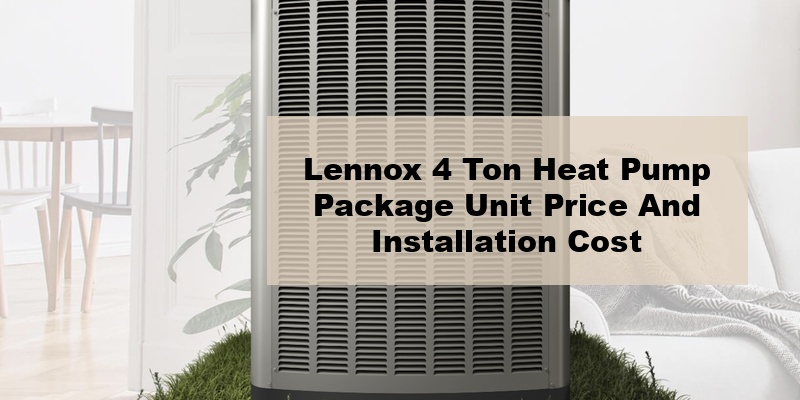
A Lennox 4 ton heat pump package unit combines cooling, heating, and air handling into a single outdoor cabinet, offering a streamlined installation for suitable homes. This guide covers typical pricing for the unit and professional installation, what affects costs, and practical tips to secure accurate quotes across the United States. Understanding efficiency, climate, and installation specifics helps homeowners forecast total expenses and compare options within Lennox’s packaged lineup.
Content Navigation
- What Is A Lennox 4 Ton Heat Pump Package Unit?
- Price Factors For Lennox 4 Ton Package Units
- Typical Price Range For The Unit And Installation
- What Affects Installation Cost: Ductwork, Permits, And Labor
- Choosing The Right Model: Efficiency, Features, And Warranty
- Cost-Saving Tips And How To Get An Accurate Quote
- Maintenance Costs And Long-Term Operating Costs
What Is A Lennox 4 Ton Heat Pump Package Unit?
A Lennox 4 ton heat pump package unit is an all-in-one outdoor system that houses the compressor, coil, and air handling components in a single cabinet. It is designed for homes with space constraints or where a combined outdoor unit is preferred. The 4 ton rating corresponds to roughly 48,000 BTU of cooling capacity, suitable for many mid- to large-sized residences. These units provide heating and cooling through a reversing valve and connect directly to ductwork, requiring appropriate electrical service and a stable installation surface.
Price Factors For Lennox 4 Ton Package Units
- Model and efficiency: Higher SEER (seasonal energy efficiency ratio) and HSPF (heating seasonal performance factor) Ratings generally cost more but reduce long‑term operating costs.
- Stage and control type: Single‑stage, two‑stage, and variable‑speed (inverter) models differ in price, performance, and humidity control.
- Climate zone and load requirements: The local climate and house load influence equipment sizing and installation complexity.
- Ductwork condition and upgrades: Existing ducts in good condition reduce cost; leaky or undersized ducts may require improvements.
- Electrical service and permits: Upgrading electrical service or obtaining local permits adds to the cost.
- Old equipment removal: Disposal and site cleanup add to labor and materials costs.
- Labor rates by region: Installation costs vary widely across states and markets due to labor rates and accessibility.
- Warranty and installation warranties: Longer or comprehensive warranties can influence upfront pricing but may add to the quoted price.
Typical Price Range For The Unit And Installation
| Component | Typical Price Range | Notes |
|---|---|---|
| Unit price (4 ton packaged unit) | $3,800 – $6,000 | Depends on model, efficiency, and features such as two‑stage or variable‑speed operation. |
| Installation labor | $2,000 – $6,000 | Influenced by ductwork condition, wiring, and ease of access to the install site. |
| Electrical work and permits | $400 – $1,800 | Includes disconnects, wiring upgrades, and local permit fees where required. |
| Old equipment removal and disposal | $150 – $600 | Depends on disposal requirements and haul-away options. |
| Estimated total installed price | $5,800 – $12,000 | Represents most common scenarios; highly variable by region and project scope. |
Note: These ranges reflect typical U.S. pricing and can vary with market conditions, taxes, and contractor pricing. For the most accurate quote, obtain several written estimates from licensed HVAC professionals who perform a Manual J calculation and confirm material and labor inclusions.
What Affects Installation Cost: Ductwork, Permits, And Labor
Installation cost is driven by several practical factors. If the existing ductwork is poorly sealed, undersized, or.Requires significant remediation, expect higher labor costs and possible ductwork materials. Electrical panel capacity and wiring length influence both material costs and labor time. Permitting varies by city and county and can add to the overall timeline and expense. Site accessibility, such as a tight storage area, stairs, or the need for a crane to place the unit, also affects pricing. Finally, the installer’s experience and warranty terms can impact the final quote.
Choosing The Right Model: Efficiency, Features, And Warranty
The Lennox lineup for 4 ton heat pump package units offers a spectrum of efficiency and features. Higher SEER and HSPF ratings generally deliver lower operating costs over the life of the system. Two‑stage or variable‑speed models provide better humidity control and comfort, especially in transitional seasons, though they come at a premium. When selecting a model, homeowners should consider:
- Efficiency targets: Look for SEER in the upper range for longer-term energy savings and a favorable payback period.
- Heating performance: HSPF values indicate heating efficiency; higher numbers reduce winter energy use.
- Operational characteristics: Variable‑speed models adapt to demand, reducing cycling and improving comfort.
- Compatibility and installation: Ensure compatibility with existing outdoor and indoor components and that the installation site supports required clearances.
- Warranty coverage: Review parts and compressor warranties, as well as labor coverage, and register within required timelines to maximize benefits.
In practice, a higher‑efficiency Lennox 4 ton package unit may cost more upfront but can yield meaningful energy savings, especially in climates with long cooling seasons or cold snaps. Consider a contractor who can perform a precise load calculation to verify that a 4 ton unit is the correct size for the home, ensuring optimal performance and cost efficiency.
Call 888-896-7031 for Free Local HVAC Quotes – Compare and Save Today!
Cost-Saving Tips And How To Get An Accurate Quote
- Shop multiple quotes: Obtain at least three written estimates from licensed contractors to compare equipment, ductwork needs, and labor charges.
- Ask for a Manual J load calculation: A precise load calculation prevents oversizing or undersizing the unit, reducing wasted energy and unnecessary costs.
- Inquire about rebates and tax credits: Federal incentives for energy-efficient heat pumps, plus state and utility rebates, can lower net costs.
- Assess ductwork and insulation: Consider sealing or insulating ducts for improved efficiency and reduced load on the unit.
- Clarify inclusions: Ensure quotes specify old equipment removal, disposal, new refrigerant line sets, thermostat compatibility, and any required electrical upgrades.
- Ask about warranties and service plans: A longer parts warranty and maintenance plan can reduce long-term costs and provide peace of mind.
Planning ahead with financing options can also help manage upfront costs. Some contractors offer promotional financing or bundled maintenance plans that spread expenses over time while preserving system performance.
Maintenance Costs And Long-Term Operating Costs
Long-term costs depend on energy prices, climate, and how well the system is maintained. Regular filter changes, annual coil cleaning, and periodic refrigerant checks help sustain efficiency and comfort. A higher‑efficiency Lennox 4 ton model typically delivers lower monthly energy bills, especially in hot summers and during shoulder seasons when humidity control matters. Maintenance plans covering inspections, cleaning, and diagnostic checks can reduce unexpected repairs and extend the equipment’s life. Homeowners should budget for routine maintenance as part of total ownership costs.
Tips for Getting the Best HVAC Prices
- Prioritize Quality Over Cost
The most critical factor in any HVAC project is the quality of the installation. Don’t compromise on contractor expertise just to save money. - Check for Rebates
Always research current rebates and incentives — they can significantly reduce your overall cost. - Compare Multiple Quotes
Request at least three estimates before making your choice. You can click here to get three free quotes from local professionals. These quotes include available rebates and tax credits and automatically exclude unqualified contractors. - Negotiate Smartly
Once you've chosen a contractor, use the proven strategies from our guide — How Homeowners Can Negotiate with HVAC Dealers — to get the best possible final price.