
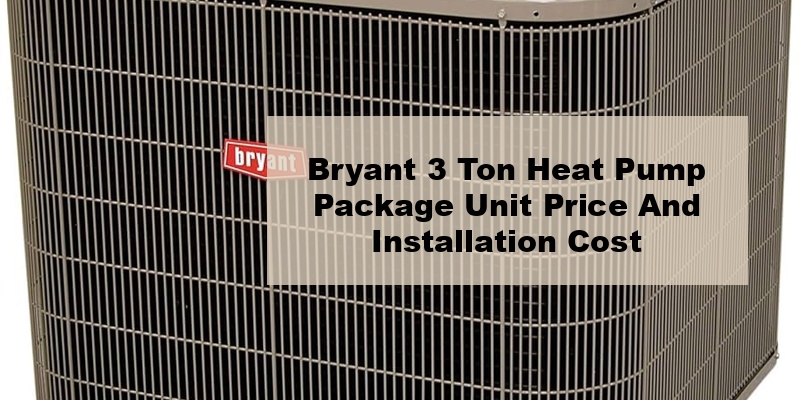
The Bryant three-ton heat pump package unit combines cooling and heating in a single outdoor cabinet, designed for homes that prefer an all-in-one solution. This guide outlines typical prices for the unit itself and the installation costs in the United States, along with factors that influence the total expense, incentives, and maintenance considerations. Whether upgrading from older equipment or replacing a failing system, understanding unit costs helps homeowners plan a budget, compare quotes, and choose the Bryant model that best fits climate, energy goals, and comfort needs.
Content Navigation
What Is A Bryant Three Ton Heat Pump Package Unit?
A Bryant three-ton heat pump package unit is a self-contained outdoor system that bundles the evaporator coil, condenser, and air handler into one cabinet. The 3-ton rating refers to the system’s cooling capacity, typically around 36,000 BTU per hour, with a comparable heating output when operating as a heat pump. Because it is a packaged unit, all major components are installed outside, simplifying certain installation steps compared with split systems.
Bryant markets these package units in several series—Legacy, Preferred, and Evolution—each delivering different efficiency levels, noise performance, and warranty terms. The Evolution line usually offers higher SEER (cooling efficiency) and HSPF (heating efficiency) ratings, as well as modern controls, while Legacy targets value-oriented installations. When selecting a Bryant 3-ton package, climate, ductwork compatibility, and the availability of electric heat strips or auxiliary heat influence the best choice.
Bryant 3-Ton Package Unit Price Range
Prices for the Bryant 3-ton package unit vary by series, efficiency, and dealer promotions. In the United States, the unit itself typically ranges from roughly $3,800 to $7,000 before installation. Legacy models are generally on the lower end, Preferred models in the middle, and Evolution units at the higher end due to higher efficiency and newer features. Regional demand, freight costs, and installation promotions can shift these numbers.
To give a sense of scale, typical unit prices might be: Legacy: $3,000–$4,800; Preferred: $4,000–$6,000; Evolution: $5,500–$7,000. These ranges reflect standard sizes and common configurations. Homeowners should request quotes that itemize the equipment price, any required accessories, and the cost of installation so comparisons are meaningful.
| Series | Approximate Unit Price Range | Notes |
|---|---|---|
| Bryant Legacy (3-Ton) | $3,000–$4,800 | Budget-friendly, solid efficiency |
| Bryant Preferred (3-Ton) | $4,000–$6,000 | Mid-range efficiency |
| Bryant Evolution (3-Ton) | $5,500–$7,000 | Highest efficiency, advanced controls |
Installation to a ready-to-operate system adds to the total cost. In most cases, the unit price described above is for the equipment alone and does not include labor, duct modifications, or electrical work, all of which significantly affect final out-of-pocket expense.
Call 888-896-7031 for Free Local HVAC Quotes – Compare and Save Today!
Installation Costs For A Bryant 3-Ton Package Unit
Installation costs cover more than the price of the unit. A Bryant 3-ton heat pump package typically requires skilled labor for mounting, electrical connections, refrigerant piping, duct connections, and starting the system. On average, installation labor ranges from $2,000 to $5,000, depending on local rates and job complexity. The total installed price often ranges from $6,000 to $12,000, influenced by ductwork condition, line length, and regional labor costs.
Common installation components and services include:
- Site preparation and mounting pad or rooftop setup
- Electrical service upgrade and wiring to the outdoor unit
- Refrigerant piping (line set) installation and insulation
- Indoor duct connections and sealing for efficient airflow
- Thermostat compatibility and control wiring
- Permits, refrigerant recovery, and system startup
Factors that can increase installation costs include extensive ductwork modifications, long refrigerant line runs, crawlspace or attic access challenges, and the need for new or upgraded electrical panels. Conversely, homes with existing compatible ductwork and close proximity between outdoor units and indoor air handlers may see lower installation charges.
Factors That Influence The Price
- Efficiency level and SEER/HSPF ratings: Higher efficiency models cost more upfront but save more on energy bills.
- Series choice: Evolution models command a premium over Legacy or Preferred variants.
- Ductwork condition: Leaky or undersized ducts require repair or replacement, which adds cost.
- Installation complexity: Difficult access, sloped roofs, or confined spaces raise labor time and price.
- Electrical requirements: Upgrading service panels or wiring increases both cost and safety.
- Line length and refrigerant charge: Longer runs or special refrigerants can add material costs.
- Permits and disposal: Local codes may require permits; refrigerant disposal adds housekeeping fees.
- Warranties and labor coverage: Longer warranties may entail higher upfront costs but reduce long-term risk.
How To Get An Accurate Quote
Accurate quotes start with a thorough evaluation by a licensed HVAC contractor. Homeowners should obtain at least two to three written estimates and ensure quotes are itemized for equipment, installation, permits, and any required ductwork. A proper sizing assessment using Manual J (and related calculations for airflow) helps avoid oversizing or undersizing the system. Ask about the included warranty terms, maintenance plans, and the expected timeline for installation.
Before agreeing to work, verify contractor credentials, get references, and confirm that the contractor will handle refrigerant charging, startup, and system calibration. If possible, request a performance-based quote that outlines expected energy savings and peak-load comfort.
Incentives, Financing And Warranties
Federal tax incentives for energy-efficient HVAC systems have supported heat pump upgrades. As of current guidance, the residential ITC offers a significant credit for eligible heat pumps, typically around 30% of the installed cost, with additional regional or utility rebates possible. Local utilities may also provide rebates for high-efficiency equipment or programmable thermostats. Financing options, including promotional APRs or low-interest plans, can help spread the investment over time.
Call 888-896-7031 for Free Local HVAC Quotes – Compare and Save Today!
Warranty terms vary by model and installation, but Bryant equipment commonly includes a 10-year limited warranty on parts. Some components, like the compressor, may have longer coverage, and labor warranties often depend on the installing contractor and service plan. It’s important to register equipment and understand what is covered under the manufacturer’s warranty and what requires extended coverage.
Maintenance And Longevity
With regular professional maintenance, a Bryant 3-ton heat pump package unit can provide reliable comfort for roughly 12 to 15 years, depending on usage, climate, and care. Annual inspections should include refrigerant level checks, electrical connections, capacitor and contactor health, airflow, and condensate drainage. Homeowners should replace filters every 1 to 3 months and keep outdoor coils clean to maintain efficiency. Proper routine maintenance helps sustain performance, reduce energy usage, and extend the system’s life.
Tips for Getting the Best HVAC Prices
- Prioritize Quality Over Cost
The most critical factor in any HVAC project is the quality of the installation. Don’t compromise on contractor expertise just to save money. - Check for Rebates
Always research current rebates and incentives — they can significantly reduce your overall cost. - Compare Multiple Quotes
Request at least three estimates before making your choice. You can click here to get three free quotes from local professionals. These quotes include available rebates and tax credits and automatically exclude unqualified contractors. - Negotiate Smartly
Once you've chosen a contractor, use the proven strategies from our guide — How Homeowners Can Negotiate with HVAC Dealers — to get the best possible final price.