
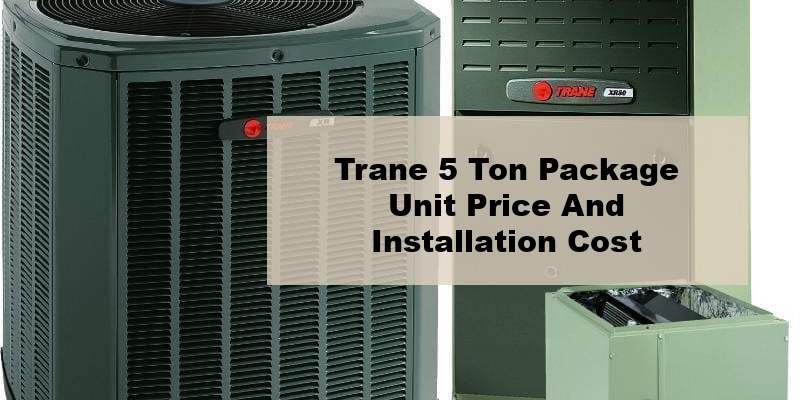
This article provides a practical overview of pricing for a Trane 5 ton package unit and the associated installation costs in the United States. It explains unit price ranges, what influences installation expenses, and how to estimate total costs. It compares gas/electric versus electric-heating configurations, highlights key efficiency considerations, and offers tips to plan, obtain accurate quotes, and optimize value from a Trane packaged system.
Content Navigation
- What Is a Trane 5 Ton Package Unit
- Price Range For The Unit Itself
- Installation Cost: What It Includes And What Affects It
- Factors That Influence Total Cost
- How To Budget And Save On A Trane 5 Ton Package Unit
- Warranties, Financing, And Service Considerations
- Maintenance And Longevity Of A Trane 5 Ton Package Unit
- Common Installation Challenges And How To Address Them
- Frequently Asked Questions
What Is a Trane 5 Ton Package Unit
A Trane 5 ton package unit is a single outdoor cabinet housing the essential components of heating and cooling in one compact unit. Sized at 5 tons (about 60,000 BTU), it is designed for homes with limited indoor space or where a consolidated system is preferred. Packages can include gas/electric heat or be electric-heat only, depending on climate and system design. Efficiency is expressed through SEER (cooling efficiency) and, for heat options, related ratings. These units are favored for simplified installation and streamlined service.
Price Range For The Unit Itself
Prices vary by heat option, SEER rating, and model configuration. Typical ranges for a 5 ton Trane packaged unit, before installation, are as follows. Gas/electric heat units generally fall in the mid-to-high range; electric-heat or heat-pump configurations can be lower or higher depending on features. Higher SEER ratings and smart controls typically push prices upward. Regional distributor pricing and dealer promotions also affect the final sticker price.
| Option | Typical Unit Price | Typical Installed Price (Labor Included) |
|---|---|---|
| Gas/Electric Packaged Unit (With Heat) | $4,500–$8,000 | $7,000–$12,000 |
| Electric-Only Packaged Unit (Heat Pump or Electric Heat) | $3,500–$6,000 | $6,000–$9,500 |
| High-Efficiency All-Seer Packaged Unit | $5,500–$9,000 | $7,500–$13,000 |
Installation Cost: What It Includes And What Affects It
Installation costs cover more than labor. They include system removal of the old unit (if applicable), delivery, mounting on a pad or platform, ductwork modifications, refrigerant line sets, electrical wiring, and control wiring. Permits and disposal fees are common in many jurisdictions. Costs vary with home configuration, existing ductwork, and accessibility. In general, labor contributes a substantial portion of the installed price, and any required duct or electrical upgrades can add to the total.
Typical installation components and ranges include: labor fees, ductwork adjustments, electrical service upgrades, a new electrical disconnect and contactor, refrigerant lines and insulation, condensate drainage work, and disposal of the old equipment. In some cases, crane or forklift access is needed for roof or tight-site installations, which can increase costs. Overall, installation costs commonly range from about $1,500 to $6,000 depending on project complexity.
Factors That Influence Total Cost
- House layout and ductwork: Homes with existing, well-matched ducts tend to require less modification, lowering both material and labor costs.
- Electrical system readiness: A 240V circuit, dedicated disconnect, and adequate amperage are essential; upgrading service raises costs.
- Heat option: Gas/electric heat generally adds cost for gas piping, venting, and ignition hardware. Electric heat may require different wiring and controls.
- Permits and inspections: Local regulations can add several hundred dollars to the project.
- Old equipment removal: Removing and responsibly disposing of an old unit adds to the price, especially if refrigerant recovery is required.
- Duct modifications: Longer runs, new boots, or zoning add-ons increase material and labor time.
- Site access: Limited access, stairwells, or tight spaces can complicate installation and raise costs.
How To Budget And Save On A Trane 5 Ton Package Unit
Effective budgeting starts with comprehensive quotes from licensed HVAC contractors. Obtain at least two written estimates that itemize unit price, installation labor, ductwork, permits, and disposal. Consider the long-term value of higher-efficiency models, which can reduce annual operating costs and improve comfort. Ask about bundled incentives, manufacturer rebates, and local utility programs that may offset part of the upfront expense. Regular maintenance plans from the contractor can also extend system life and prevent costly repairs.
Call 888-896-7031 for Free Local HVAC Quotes – Compare and Save Today!
Cost-saving tips include scheduling installation during off-peak seasons, ensuring ductwork is clean and well-sealed before installation, and choosing a unit with a warranty and good dealer support. Documented energy savings from a higher SEER unit can help justify the up-front premium over the life of the system.
Warranties, Financing, And Service Considerations
Warranty coverage typically includes a limited parts warranty for a specified period, and some units carry extended coverage on critical components such as the compressor or heat exchanger if registered with the manufacturer. Labor warranties may vary by dealer. Financing options may be available through manufacturers, lenders, or utility programs. It is prudent to review what is covered, whether the warranty requires preventive maintenance by a licensed tech, and how service is supported in the local area.
When evaluating warranties, ask for copy of terms, registration requirements, and how claims are processed. A reputable contractor should provide a clear written warranty and explain what constitutes normal wear, what constitutes a failure, and how long parts and labor are covered.
Maintenance And Longevity Of A Trane 5 Ton Package Unit
Routine maintenance is vital to maximize longevity and efficiency. Regular filter changes, coil cleaning, blower maintenance, and refrigerant checks help sustain performance. Annual professional inspections can catch issues before they escalate, extend component life, and preserve warranty validity if required. Keeping the outdoor unit clear of debris, ensuring proper airflow, and avoiding refrigerant leaks are practical steps. With proper care, a well-installed 5 ton packaged unit can provide reliable service for 12–15 years or more, depending on use and maintenance.
Tips for Getting the Best HVAC Prices
- Prioritize Quality Over Cost
The most critical factor in any HVAC project is the quality of the installation. Don’t compromise on contractor expertise just to save money. - Check for Rebates
Always research current rebates and incentives — they can significantly reduce your overall cost. - Compare Multiple Quotes
Request at least three estimates before making your choice. You can click here to get three free quotes from local professionals. These quotes include available rebates and tax credits and automatically exclude unqualified contractors. - Negotiate Smartly
Once you've chosen a contractor, use the proven strategies from our guide — How Homeowners Can Negotiate with HVAC Dealers — to get the best possible final price.
Common Installation Challenges And How To Address Them
- Duct compatibility: If existing ducts are undersized or leaky, retrofits may be necessary to achieve design airflow.
- Electrical readiness: Upgrading service or adding dedicated circuits is often essential and can affect timelines and cost.
- Site constraints: Limited space, difficult access, or roof installation requires specialized equipment and planning.
- Permitting: Early coordination with local authorities reduces delays and ensures compliance.
Frequently Asked Questions
- Do I need permits for a Trane 5 ton package unit? In many jurisdictions, yes. Permits cover electrical, gas connections (if applicable), and equipment safety standards.
- How long does installation take? A typical installation may take one to three days, depending on site specifics and duct work needs.
- Is it worth replacing an old furnace and air conditioner with a packaged unit? A packaged unit can simplify installation and improve efficiency, but the decision depends on existing ducting, space, and long-term costs. Consulting an HVAC pro helps determine the best option.