
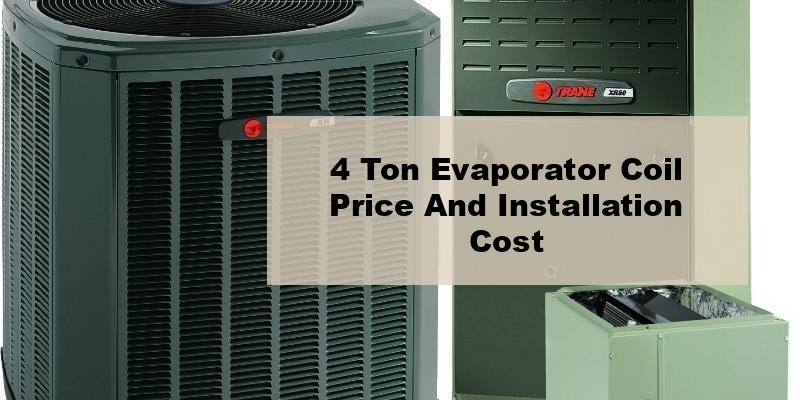
The cost of a 4 ton evaporator coil combines the price of the coil itself with installation expenses. For homeowners, understanding both components helps compare quotes accurately and choose a coil that fits the cooling load and existing equipment. This guide covers typical price ranges, installation labor, and factors that influence total cost. It also provides practical tips for selecting the right coil and budgeting for any related required work. By considering coil material, efficiency, and regional labor rates, readers can make informed decisions about a 4 ton evaporator coil replacement or upgrade.
Content Navigation
Factors Affecting Price for a 4 Ton Evaporator Coil
Several variables drive the overall cost of a 4 ton evaporator coil, influencing both the coil price and the installation bill. Being aware of these factors helps homeowners gauge quotes and avoid unexpected add-ons.
- Coil material: Copper coils are typically more expensive than aluminum coils due to material cost and durability. Copper coils may also require specialized refrigerant handling, which can raise labor costs.
- Coil design and configuration: Microchannel or high-efficiency designs usually come at a premium but offer better heat transfer and lower pressure drop. Plate-fin designs are generally cheaper but may have different longevity profiles.
- Refrigerant type: Upgrading or matching to the outdoor unit’s refrigerant (for example, switching to or staying with R-410A) can impact both coil cost and required service tools.
- Compatibility with existing equipment: The match between the evaporator coil and the outdoor condenser, as well as the furnace or air handler, affects pricing. Incompatible components may require additional parts or modifications.
- Labor rates and job complexity: Labor costs vary by region and by accessibility of the coil location. Hard-to-reach indoor plenums or tight spaces increase installation time and price.
- Ductwork and refrigerant line considerations: If ductwork needs cleaning, resealing, or repair, or if line sets require replacement, costs rise accordingly.
- Warranty and service plans: Some coils come with extended warranties or inclusive service plans, adding value but affecting upfront price.
Typical Price Range for a 4 Ton Evaporator Coil
Prices for evaporator coils vary by material, design, and supplier. The figures below reflect common ranges for residential 4 ton systems and include coil cost but exclude labor charges.
| Coil Material / Design | Approximate Price Range | Notes |
|---|---|---|
| Aluminum Microchannel | $600 – $1,400 | Lightweight, efficient heat transfer; good corrosion resistance. |
| Aluminum Plate-Fin | $450 – $1,100 | Typically cheaper; often used in standard efficiency systems. |
| Copper Tubed / Copper Coil | $900 – $1,800 | Durable and effective but highest material cost. |
Prices can fluctuate based on regional availability, supplier pricing, and whether a retailer is offering a promotion. For a 4 ton unit, expect the coil alone to fall within these ranges, with copper variants skewing toward the higher end. It is common to see closer to the mid-range when opting for aluminum microchannel designs with standard warranties.
Installation Cost Breakdown
Installing a 4 ton evaporator coil involves more than just placing the coil inside the air handler or furnace. Labor, compatibility checks, and potential ancillary work contribute to the total installation cost.
- Labor costs: Installation labor typically ranges from $75 to $150 per hour, depending on the region and company. A straightforward coil replacement may take several hours, while additional tasks can extend the job.
- Time to install: For a 4 ton coil replacement, expect 4 to 8 hours in many cases. More complex installations, especially those requiring ductwork or line-set work, can exceed this window.
- Refrigerant handling: If refrigerant is lost or needs replacement, there may be additional charges for recharging. Modern systems using R-410A often require proper recovery and charging procedures.
- Parts and materials: Seals, gaskets, hangers, insulation, and potentially a new line set or expansion valve may add to the cost.
- Disposal and cleanup: Old coil removal and disposal are usually part of the estimate, with minimal-to-moderate disposal fees in some areas.
- Permits and inspections: In certain jurisdictions, a permit or inspection may be required for refrigerant work, adding a small fee.
Overall installation costs for a 4 ton evaporator coil typically range from approximately $400 to $1,500, depending on labor rates, job complexity, and whether additional repairs or upgrades are needed. When combined with coil price, the total project cost often falls within a broad band, such as $1,000 to $3,000, though high-end scenarios can exceed this.
Call 888-896-7031 for Free Local HVAC Quotes – Compare and Save Today!
Additional Costs and Considerations
Homeowners should anticipate additional expenses that can influence the total project cost and the long-term performance of the cooling system.
- Ductwork improvements: Leaks, collapsed ducts, or insufficient airflow can require sealing, minor duct repairs, or even rerouting sections, increasing both cost and efficiency gains.
- Line-set replacement: If the refrigerant lines show wear or are a mismatched length, replacing or extending line sets adds material and labor charges.
- Furnace or air handler compatibility: A mismatched system may necessitate adapting or replacing the indoor coil, blower motor, or controls for proper operation.
- Insulation and air leakage: Improving attic and duct insulation reduces heat gain and can improve system efficiency, sometimes influencing long-term operating costs more than the coil itself.
- Warranty considerations: Choosing a coil with longer warranty may raise upfront price but reduce future repair costs.
How To Choose The Right 4 Ton Evaporator Coil
Selecting the appropriate evaporator coil for a 4 ton system ensures reliable operation and efficiency. Follow these practical steps to make a well-informed choice.
- Match to outdoor unit: Ensure the coil is compatible with the existing condenser’s refrigerant type and capacity. A mismatch can lead to suboptimal performance or refrigerant issues.
- Material and durability: Choose copper for durability and excellent heat transfer, or aluminum for lower cost and corrosion resistance. Consider the expected climate and maintenance practices.
- Efficiency and performance: Higher-efficiency coils (often with microchannel designs) can improve cooling output and reduce energy use, potentially offsetting higher upfront costs over time.
- Warranty and support: Look for a coil with a solid warranty and readily available local service technicians who can perform installation and future maintenance.
- Professional assessment: A licensed HVAC technician should verify the 4 ton sizing, refrigerant compatibility, duct system condition, and any required system adjustments before purchase.
Maintenance And Longevity
Proper maintenance extends evaporator coil life and preserves efficiency. Regular inspections and minor upkeep can prevent unexpected failures and costly repairs.
- Air filter discipline: Replace or clean filters every 1 to 3 months to minimize dust and debris reaching the coil, improving heat transfer and airflow.
- Seasonal cleaning: Periodic coil cleaning, especially in dusty environments, helps maintain efficiency. Use non-abrasive cleaners and follow manufacturer guidance.
- Leak detection: Monitor for refrigerant leaks, which reduce cooling capacity and raise costs. Address promptly with a qualified technician.
- Professional inspections: Annual or biannual checkups can catch issues early, including coil corrosion, seal integrity, and blower performance.
The expected lifespan of an evaporator coil varies with material and usage but commonly ranges from 12 to 20 years with proper care. Replacements are more likely when a coil sustains corrosion, leaks, or repeated compressor stress due to airflow problems.
Tips for Getting the Best HVAC Prices
- Prioritize Quality Over Cost
The most critical factor in any HVAC project is the quality of the installation. Don’t compromise on contractor expertise just to save money. - Check for Rebates
Always research current rebates and incentives — they can significantly reduce your overall cost. - Compare Multiple Quotes
Request at least three estimates before making your choice. You can click here to get three free quotes from local professionals. These quotes include available rebates and tax credits and automatically exclude unqualified contractors. - Negotiate Smartly
Once you've chosen a contractor, use the proven strategies from our guide — How Homeowners Can Negotiate with HVAC Dealers — to get the best possible final price.
Frequently Asked Questions
- What affects the price more: coil size or material? Both size and material matter. For a 4 ton system, the material (copper vs aluminum) and coil design have a substantial impact on price and longevity, while the size primarily influences compatibility and installation effort.
- Can I install a 4 ton evaporator coil myself? Replacing an evaporator coil requires handling refrigerant and precise installation. It should be performed by a licensed HVAC professional to meet safety codes and preserve warranty.
- Is it cheaper to replace the coil or the entire air conditioner? If the outdoor condenser is older or inefficient, replacing both could yield better efficiency and reliability. A professional assessment helps determine the most cost-effective route.
- How can I reduce installation costs? Obtain multiple quotes, ask about bundled parts (filters, line sets), and consider a coil with a longer warranty. Scheduling during non-peak times may also reduce labor rates in some regions.