
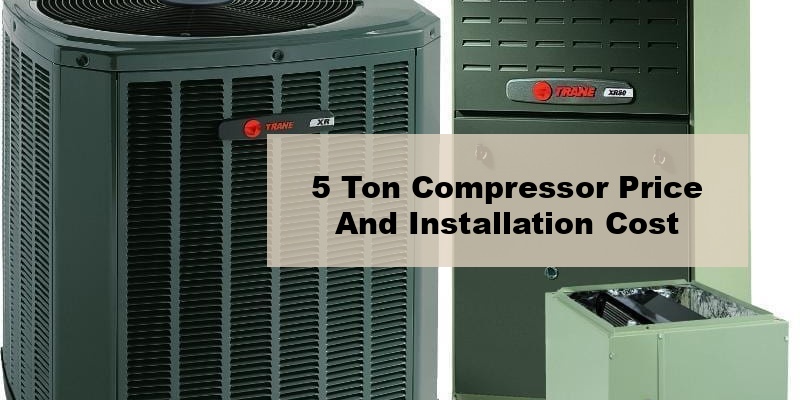
Central air conditioning costs can vary widely depending on efficiency, brand, existing ductwork, and local labor rates. A five-ton system represents a common size for homes around the United States with moderate to larger cooling loads. This article breaks down equipment costs, installation charges, and factors that influence total expenses. It also highlights rebates and practical tips to optimize price and performance. By understanding these elements, homeowners can make informed choices about buying and installing a five-ton cooling solution that fits budget and comfort goals.
Content Navigation
- Five-Ton System Price: Equipment Cost Overview
- Five-Ton System Installation Costs
- Cost Breakdown: A Sample Estimate
- Key Factors That Influence Total Cost
- Rebates, Incentives, And Cost-Saving Tips
- Maintenance, Longevity, And Warranty Considerations
- Timeline And Process: What To Expect
- Frequently Asked Questions
- Where To Start: Next Steps
- Table: Typical Cost Ranges For A Five-Ton System
Five-Ton System Price: Equipment Cost Overview
The equipment price for a five-ton central air conditioning system typically covers the outdoor condenser and the indoor air handler or furnace with evaporator coil. Prices vary by efficiency (SEER rating), compressor technology, and brand. The figures below reflect typical market ranges in the United States as of 2025–2025.
Outdoor Condenser/Compressor Price
For a five-ton unit, a standard-efficiency condenser generally ranges from about $1,600 to $2,900. Mid-range models with higher SEER ratings or better components tend to fall between $2,100 and $3,800. Premium, high-efficiency, or inverter-driven models can exceed $4,000. Regional demand and contractor availability can push these numbers higher or lower.
Indoor Coil or Air Handler Price
The indoor component, which may be an air handler or a furnace with an evaporator coil, typically runs from $1,000 to $2,500 for basic units. Higher-efficiency air handlers or gas furnaces paired with premium coils generally range from $1,800 to $4,000. In some cases, a single system combines the air handler with a variable-speed blower for improved comfort and efficiency.
Complete Equipment Package Price Range
For a complete five-ton system (outdoor condenser plus indoor air handler or furnace), equipment-only prices commonly span roughly $3,000 to $8,000. The wide range reflects efficiency levels (SEER 13–21+), brand choices, and whether a heat pump configuration is used. It is not unusual for premium setups to approach or exceed $9,000 before installation.
Five-Ton System Installation Costs
Installation costs cover labor, materials, permits, and ancillary services needed to make the system operational. Local labor rates, system complexity, and accessibility can significantly affect total installation charges. Typical installed cost ranges are provided to give homeowners a realistic expectation.
Call 888-896-7031 for Free Local HVAC Quotes – Compare and Save Today!
Labor And Permits
Installation labor often accounts for a large portion of the total price. For a five-ton system, labor can run from about $2,000 to $5,000 depending on the contractor, region, and installation difficulty. Permits, inspections, and disposal fees generally add about $75 to $350. Some jurisdictions require permits for new equipment or refrigerant handling, which can influence overall timing and cost.
Electrical Upgrades And Wiring
Most five-ton installations require electrical work to service the new unit, including a dedicated service compressor panel, disconnect switch, and proper wiring. Electrical work typically ranges from $500 to $1,800, though more extensive upgrades or code compliance issues can push costs higher. A qualified electrician should confirm load calculations and wiring adequacy.
Ductwork, Duct Sealing, And Air Distribution
Existing ductwork must be able to handle a five-ton load with adequate airflow. If ducts are undersized or leaky, contractors may recommend upgrades or sealing, which can add $1,000 to $4,000 to the project. Poor duct performance can undermine efficiency and comfort, making this a critical consideration in total cost.
Refrigerant, Testing, And System Commissioning
Refrigerant charges and testing for leaks are essential parts of a proper installation. Expect about $150 to $350 for refrigerant recovery, charge, and certification testing. Comprehensive commissioning, including system performance testing and controls synchronization, may add a few hundred dollars but contributes to long-term reliability.
Other Potential Costs
- Old equipment removal and disposal: $100–$400
- New thermostat or zoning controls: $250–$1,200
- Extended warranties or maintenance plans: $100–$500 annually
Cost Breakdown: A Sample Estimate
To illustrate how costs can come together, consider a mid-range five-ton split system installed in a typical single-family home in a suburban area. Equipment price: outdoor condenser $2,800, indoor air handler $1,900. Installation labor: $2,800. Electrical and permit fees: $1,000. Ductwork adjustments: $1,500. Refrigerant and commissioning: $300. Total estimated installed cost: about $9,300. This example shows how higher-efficiency equipment and modest duct upgrades can push price above the low end.
Key Factors That Influence Total Cost
- Efficiency and technology: Higher SEER ratings, inverter drives, and advanced controls increase equipment costs but reduce energy use and operating costs over time.
- System configuration: Central split systems, heat pumps, and dual-fuel setups have different price trajectories depending on climate and energy strategy.
- Ductwork condition: If ducts are old or damaged, replacement or sealing adds significant cost but improves performance.
- Installation complexity: Homes with limited access, multi-story layouts, or nearby obstructions may require extra labor and materials.
- Location and labor rates: Regional differences can alter both equipment and installation prices notably.
- Permits and codes: Local requirements can add to the price and affect scheduling.
Rebates, Incentives, And Cost-Saving Tips
Energy efficiency programs and rebates can offset a portion of the upfront cost. Homeowners should explore:
Call 888-896-7031 for Free Local HVAC Quotes – Compare and Save Today!
- Federal, state, and local rebates for energy-efficient air conditioning systems
- Utility company incentives for SEER improvements or inverter-driven models
- Tax credits or deductions for residential energy investments where applicable
Helpful resources include Energy.gov and local utility websites. Check for current programs, eligibility requirements, and limited-time offers. When shopping, compare not only price but also performance metrics like SEER, EER, and HSPF, and review manufacturer warranty terms.
Maintenance, Longevity, And Warranty Considerations
Proper installation and regular maintenance extend system life and control costs. Maintenance typically includes filter changes, coil cleaning, refrigerant checks, and annual inspections. A five-ton unit may operate efficiently for 12–15 years with routine care, though aggressive use or poor upkeep can shorten life. Warranties commonly cover parts for 5–10 years and may require annual professional maintenance to remain valid. Homeowners should read warranty terms carefully and register their product with the manufacturer.
Timeline And Process: What To Expect
While timelines vary, a typical five-ton system installation follows a structured process:
- Initial assessment and load calculation (manual J) to confirm tonnage and efficiency needs.
- Detailed quote including equipment, labor, permits, and potential ductwork work.
- Scheduling and permitting (where required), followed by removal of old equipment.
- Installation of outdoor condenser, indoor air handler, and new refrigerant lines.
- Electrical connections, thermostat wiring, duct sealing, and system charging.
- Test run, performance verification, and handoff with operating instructions.
Typical installation time ranges from 1 to 4 days, depending on complexity and ductwork requirements. Homeowners should plan for temporary disruption and ensure clear access to the work area.
Frequently Asked Questions
- Q: Is a five-ton system appropriate for my home?
- A: It depends on climate, home size, insulation, and existing ductwork. A professional load calculation determines the correct size and SEER rating.
- Q: Can I install a five-ton unit myself?
- A: No. HVAC installation requires licensed expertise for refrigerant handling, electrical work, and duct considerations to ensure safety and code compliance.
- Q: How long does a five-ton system last?
- A: With proper maintenance, expect 12–15 years of service, though high-quality components can stretch this to 15–20 years.
Where To Start: Next Steps
To move forward, homeowners should obtain several quotes from licensed HVAC contractors, verify credentials, and check references. Request a detailed proposal that breaks out equipment costs, installation labor, ductwork work, and any required electrical upgrades. Compare SEER ratings and included warranties. Finally, confirm any rebates or incentives you may qualify for and verify how maintenance plans influence long-term costs.
Table: Typical Cost Ranges For A Five-Ton System
| Category | Low Range (USD) | High Range (USD) | Notes |
|---|---|---|---|
| Outdoor Condenser/Compressor | $1,600 | $4,000 | Standard to premium efficiency; inverter options may be higher. |
| Indoor Coil/Air Handler | $1,000 | $2,500 | Includes blower and control interface. |
| Complete Equipment Package | $3,000 | $8,000 | Excludes installation; varies by SEER and brand. |
| Labor And Installation | $2,000 | $5,000 | Depends on ductwork, permits, and access. |
| Electrical Upgrades | $500 | $1,800 | Panel capacity and wiring complexity affect cost. |
| Ductwork And Air Distribution | $1,000 | $4,000 | Modifications can raise price but improve performance. |
| Refrigerant, Commissioning, And Testing | $150 | $350 | Includes leak testing and system charging. |
For more detailed guidance and current pricing, homeowners can consult credible sources such as consumer-facing home service sites and energy agencies. Visiting Energy.gov’s pages on energy efficiency incentives and checking local utility rebate programs can help maximize savings over the system’s lifetime. Additionally, speaking with multiple licensed HVAC contractors provides a clearer picture of regional price variations and best value choices.
Tips for Getting the Best HVAC Prices
- Prioritize Quality Over Cost
The most critical factor in any HVAC project is the quality of the installation. Don’t compromise on contractor expertise just to save money. - Check for Rebates
Always research current rebates and incentives — they can significantly reduce your overall cost. - Compare Multiple Quotes
Request at least three estimates before making your choice. You can click here to get three free quotes from local professionals. These quotes include available rebates and tax credits and automatically exclude unqualified contractors. - Negotiate Smartly
Once you've chosen a contractor, use the proven strategies from our guide — How Homeowners Can Negotiate with HVAC Dealers — to get the best possible final price.