
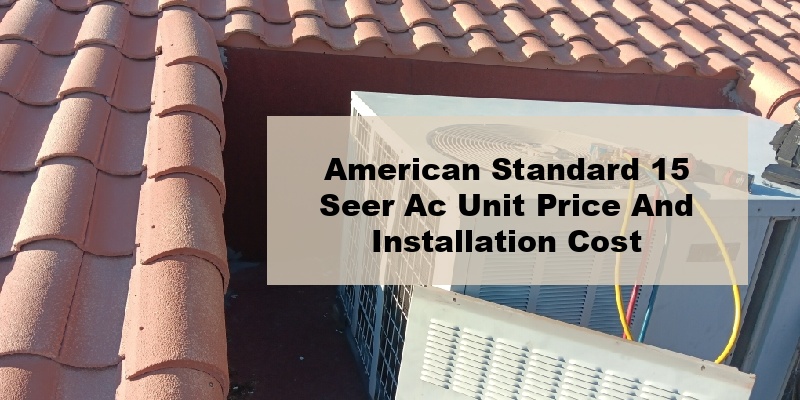
The American Standard 15 SEER central air conditioner combines solid reliability with mid-range efficiency, making it a popular choice for many U.S. homes. This article breaks down current pricing for the 15 SEER outdoor condenser, installation costs, and the factors that influence total investment. It also covers what homeowners can expect during installation and how to maximize value with proper sizing, maintenance, and potential rebates.
Content Navigation
How Much Does A 15 SEER American Standard AC Unit Cost?
Equipment cost for a 15 SEER American Standard outdoor condenser varies primarily with size (tonnage) and model tier. For typical residential applications, a 2 to 3 ton unit often falls in the range of $2,000 to $4,800 for the condenser alone. Larger systems in the 4 to 5 ton range can push the price higher, roughly $3,000 to $6,000, depending on features and regional demand. Lower-cost configurations exist, but premium models with enhanced corrosion resistance or smarter controls can approach the higher end of this spectrum.
In addition to the condenser, homeowners may consider compatible air handlers or furnaces, particularly for heat-pump configurations or hybrid systems. When combined with an appropriate indoor unit, the total equipment cost can rise, but this often improves overall system efficiency and performance. For reference, the equipment cost range below reflects standard 15 SEER outdoor units paired with common indoor components suitable for a typical single-family home.
| Item | Typical Range | Notes |
|---|---|---|
| Equipment (15 SEER outdoor condenser) | $2,000 – $4,800 | 2–3 ton systems commonly; larger tonnage can be higher |
| Indoors/air handler or furnace (if applicable) | $1,000 – $3,000 | Depends on compatibility and configuration |
| Installation labor (basic install) | $2,500 – $7,000 | Labor varies by region and complexity |
| Total installed (equipment + labor) | $5,000 – $12,000 | Includes permits and basic add-ons |
Installed costs and total price can differ significantly based on the installation scenario. For example, replacing an existing unit with minimal ductwork adjustments is typically less expensive than a full system upgrade that requires duct repairs, additional refrigerant linework, or electrical upgrades. Regional labor rates and contractor pricing also influence final numbers. Always obtain multiple written estimates to compare equipment options, warranties, and included services.
What Affects The Price And Installation Cost?
- Tonnage and compressor technology: Larger homes require higher-capacity units. Seer level beyond 15 SEER, if chosen, can affect price both in equipment and potential efficiency gains.
- Ductwork and existing infrastructure: Homes with well-sealed, appropriately sized ducts typically incur lower installation costs. Duct modifications, sealing, or cleanup add to labor charges.
- Regional labor rates: HVAC labor prices vary by city and state. Urban areas and regions with limited HVAC technicians tend to be higher.
- Old equipment removal and disposal: Removing an old system, refrigerant reclamation, and safe disposal can add to the total cost.
- Add-ons and controls: Smart thermostats, zoning systems, air purifiers, and enhanced filtration affect price but can improve comfort and indoor air quality.
- Permits and inspection: Local permitting requirements contribute to upfront costs but ensure compliance with building codes.
- Warranty and installation quality: Registered warranties from manufacturers and labor guarantees from contractors influence long-term value and potential future costs.
Typical Installation Process And What You Get For The Investment
- Site survey and sizing: A licensed technician performs load calculations to determine the correct tonnage and 15 SEER performance needed for efficiency and comfort.
- System removal and preparation: The old condenser and any incompatible indoor components are removed. Refrigerant handling follows environmental guidelines and local regulations.
- New equipment installation: The outdoor condenser is placed on a solid pad or mounting area. Refrigerant lines, condensate drain, and electrical connections are established to factory specifications.
- Air distribution and controls: Indoor air handler or furnace is connected, and a thermostat or smart control system is integrated for optimal performance.
- Leak testing and commissioning: The system is pressurized, checked for leaks, and charged to the correct refrigerant level. System performance is verified across cooling modes and temperatures.
- Finishing touches and handoff: Ductwork adjustments are finalized, the exterior is tidied, and the homeowner receives maintenance guidance and warranty information.
During installation, homeowners typically receive a fully functional 15 SEER system designed to deliver improved humidity control and steady comfort. The total value includes not only the equipment but also the professional installation, proper refrigerant handling, and a warranty against manufacturing defects. A reputable installer will clearly outline what is included in the price and what could incur additional charges if complications arise.
Maintenance, Warranties, And Long-Term Savings
Maintenance plays a pivotal role in preserving the efficiency and lifespan of a 15 SEER American Standard system. Annual professional tune-ups, combined with regular filter replacements, help sustain performance and minimize energy use. Along with routine maintenance, homeowners should keep outdoor pathways clear of debris and ensure the condenser is unobstructed to maximize cooling efficiency.
Call 888-896-7031 for Free Local HVAC Quotes – Compare and Save Today!
Warranties vary by model and installer, but most American Standard systems offer a manufacturer’s warranty on parts, with some plans extending coverage when the system is registered and installed by an authorized dealer. Labor coverage is often provided by the contractor, sometimes for a limited period. Prospective buyers should verify the exact terms, registration requirements, and what qualifies for warranty renewal at purchase time.
From an energy perspective, upgrading to a 15 SEER unit can yield noticeable improvements over older, lower-SEER equipment. Real-world savings depend on usage patterns, climate, and how well the system is matched to the home. In moderate climates with steady cooling needs, homeowners may see meaningful reductions in monthly electric bills compared with older or less efficient units. The overall payoff comes from a combination of energy efficiency, reliability, and long-term maintenance planning.
Financing And Rebates
Financing options make the upfront investment more manageable for many homeowners. Many contractors offer in-house financing, and third-party lenders provide plans with varying APRs and terms. Before committing, homeowners should compare total costs, interest rates, and payment terms to determine the most economical option over the life of the system.
Look for rebates and incentives that apply to high-efficiency HVAC systems. Federal, state, and local programs, as well as utility company rebates, can defray part of the equipment or installation costs. To maximize savings, check reputable sources such as ENERGY STAR, federal and state energy offices, and your utility provider for current offers. Always confirm eligibility with your installer before purchase and installation.
Additionally, selecting a contractor who provides an explicit maintenance plan and a clear warranty statement helps preserve value over time. The combination of a solid 15 SEER unit, professional installation, and ongoing maintenance yields the best long-term comfort and cost efficiency for American homes.
Frequently Asked Questions
Is 15 SEER worth the extra cost over 14 SEER? In many cases, yes. A 15 SEER unit typically offers better energy efficiency and humidity control, which can reduce monthly energy bills and improve comfort, especially in hot/humid regions. The exact savings depend on local climate, usage, and system sizing.
Call 888-896-7031 for Free Local HVAC Quotes – Compare and Save Today!
How long does installation typically take? Most installations for a standard 2–3 ton 15 SEER system can be completed in one to two days, depending on ductwork and electrical upgrades. More complex installs may take longer, especially if significant duct modifications are required.
Tips for Getting the Best HVAC Prices
- Prioritize Quality Over Cost
The most critical factor in any HVAC project is the quality of the installation. Don’t compromise on contractor expertise just to save money. - Check for Rebates
Always research current rebates and incentives — they can significantly reduce your overall cost. - Compare Multiple Quotes
Request at least three estimates before making your choice. You can click here to get three free quotes from local professionals. These quotes include available rebates and tax credits and automatically exclude unqualified contractors. - Negotiate Smartly
Once you've chosen a contractor, use the proven strategies from our guide — How Homeowners Can Negotiate with HVAC Dealers — to get the best possible final price.