

Water filters are designed to improve water quality by removing various contaminants, but their effectiveness against bacteria varies significantly. Not all water filters are created equal when it comes to bacterial removal. While some advanced filtration systems can effectively eliminate bacteria from water, many common household filters are primarily designed to improve taste and remove sediment rather than provide microbiological protection. The ability of a water filter to remove bacteria depends on its filtration technology, pore size, and specific design features.
Different water filters use various technologies with varying levels of effectiveness against bacteria. Activated carbon filters, commonly found in pitcher filters and faucet attachments, primarily remove chlorine, some chemicals, and improve taste but generally cannot remove bacteria due to their relatively large pore size.
Ceramic filters with small enough pores (0.2-0.5 microns) can trap bacteria. Reverse osmosis systems force water through a semipermeable membrane that blocks most bacteria. Ultraviolet (UV) purification systems use UV light to kill bacteria without physically removing them from water.
| Filter Type | Removes Bacteria? | Pore Size | Other Contaminants Removed |
|---|---|---|---|
| Standard Activated Carbon | No | 20-50 microns | Chlorine, some chemicals, odors |
| Ceramic Filters | Yes (if <0.5 microns) | 0.1-0.5 microns | Sediment, protozoa, some bacteria |
| Reverse Osmosis | Yes | 0.0001 microns | Most contaminants including viruses |
| UV Purification | Kills but doesn’t remove | N/A | Disinfects but doesn’t remove physical contaminants |
| Ultrafiltration | Yes | 0.01-0.1 microns | Bacteria, protozoa, some viruses |
Content Navigation
How Bacteria Contaminate Water
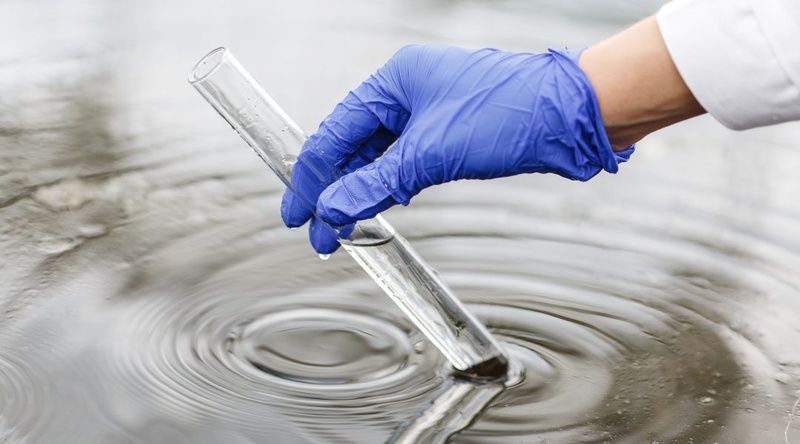
Bacteria can enter water supplies through various pathways. Surface water sources like rivers and lakes may contain bacteria from animal waste, sewage overflow, or agricultural runoff. Groundwater, typically cleaner, can still be contaminated through poorly constructed or maintained wells.
Common waterborne bacteria include E. coli, Salmonella, Campylobacter, and Legionella, which can cause gastrointestinal illnesses, respiratory problems, and other health issues. Municipal water systems occasionally experience contamination events despite treatment, particularly during infrastructure failures or natural disasters.
Water Filter Technologies That Remove Bacteria
Several technologies are specifically designed to remove or neutralize bacteria in water. Microfiltration systems with pore sizes of 0.1-1.0 microns can physically block most bacteria. Ultrafiltration, with even smaller pores (0.01-0.1 microns), removes nearly all bacteria and some viruses.
Call 888-896-7031 for Free Local HVAC Quotes – Compare and Save Today!
Nanofiltration and reverse osmosis systems, with the smallest pore sizes (0.001 and 0.0001 microns respectively), filter out virtually all microorganisms including bacteria and most viruses. UV purification systems use ultraviolet light to disrupt bacteria’s DNA, preventing reproduction and effectively neutralizing them.
| Brand/Model | Technology | Bacterial Removal Rate | Approximate Cost | Replacement Frequency |
|---|---|---|---|---|
| Berkey | Microfiltration | >99.9999% | $250-400 | Every 6,000 gallons |
| APEC RO-90 | Reverse Osmosis | >99.99% | $200-300 | Filters: 6-12 months |
| LifeStraw | Hollow Fiber Membrane | >99.9999% | $20-40 | 1,000 gallons |
| Sawyer Mini | Hollow Fiber Membrane | >99.9999% | $20 | 100,000 gallons |
| SteriPEN | UV | >99.9% | $50-100 | 8,000 treatments |
Limitations of Common Water Filters
Many household water filters have significant limitations when it comes to bacteria removal. Standard pitcher filters (like basic Brita or PUR models) use activated carbon which improves taste but doesn’t remove bacteria. Faucet-mounted filters typically have similar limitations unless specifically rated for microbiological contaminants.
Whole-house sediment filters generally have pore sizes too large to capture bacteria. Even systems that can remove bacteria may fail if not properly maintained or if filters aren’t replaced according to schedule. Filter clogging or damage to membranes can create pathways for bacteria to pass through otherwise effective systems.
Common Misconceptions About Water Filters
- A filter that removes chlorine does not necessarily remove bacteria
- Water that tastes and looks clean is not guaranteed to be bacteria-free
- Refrigerator filters typically do not remove bacteria
- Filter certifications for “harmful contaminants” may not include bacteria unless specifically stated
Testing Water for Bacterial Contamination

Regular testing is crucial to ensure a water filter is effectively removing bacteria. Home test kits specifically designed to detect coliform bacteria and E. coli are available and relatively simple to use. Professional laboratory testing provides more comprehensive and accurate results for a wider range of bacterial contaminants.
If municipal water consistently tests positive for bacteria despite filtration, it indicates a problem with the filter system or a serious contamination issue. For private wells, the CDC recommends testing for bacterial contamination at least annually and after flooding events or repairs to the water system.
Maintenance Requirements for Bacteria-Removing Filters
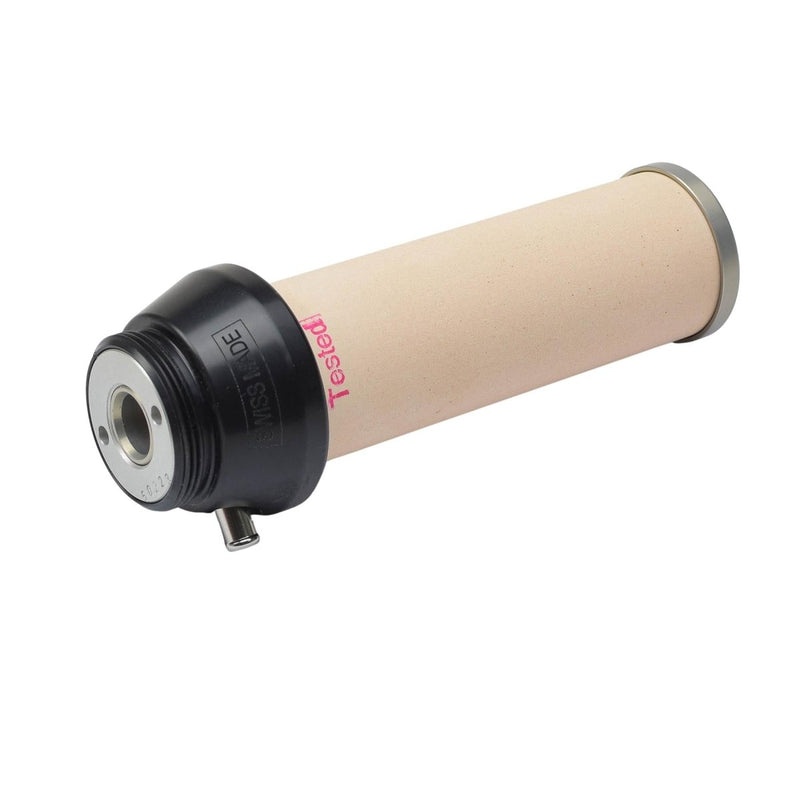
Proper maintenance is essential for filters to effectively remove bacteria. Filter replacement must follow manufacturer guidelines – using expired filters can lead to bacterial growth within the filter itself. Regular sanitization of filter housings and components helps prevent biofilm formation.
Call 888-896-7031 for Free Local HVAC Quotes – Compare and Save Today!
Systems with storage tanks (like reverse osmosis) may require periodic disinfection. UV systems need lamp replacement typically once per year, regardless of water usage. Users should monitor water pressure drops, which often indicate filter clogging requiring immediate attention.
Tips for Getting the Best HVAC Prices
- Prioritize Quality Over Cost
The most critical factor in any HVAC project is the quality of the installation. Don’t compromise on contractor expertise just to save money. - Check for Rebates
Always research current rebates and incentives — they can significantly reduce your overall cost. - Compare Multiple Quotes
Request at least three estimates before making your choice. You can click here to get three free quotes from local professionals. These quotes include available rebates and tax credits and automatically exclude unqualified contractors. - Negotiate Smartly
Once you've chosen a contractor, use the proven strategies from our guide — How Homeowners Can Negotiate with HVAC Dealers — to get the best possible final price.
Maintenance Checklist for Bacterial Filters
- Replace filter cartridges on schedule (typically every 2-6 months)
- Sanitize filter housing when changing cartridges
- Flush systems after periods of non-use
- Check for cracks or damage to filter components
- Monitor water pressure and flow rate changes
- Follow manufacturer-specific maintenance instructions