
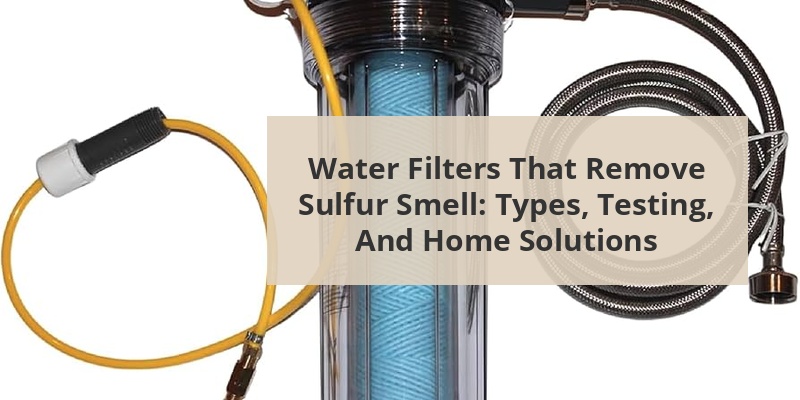
Dealing with the unpleasant rotten egg odor in your water can be frustrating. This sulfur smell typically comes from hydrogen sulfide gas dissolved in your water supply. Many homeowners wonder if standard water filters can effectively eliminate this problem. The answer is yes, certain types of water filters can remove sulfur smell, but not all filters are created equal for this specific purpose. The effectiveness depends on the filter type, the concentration of hydrogen sulfide, and the overall water quality. This article explores the various filtration options available and how well they work against that notorious sulfur odor.
The distinctive rotten egg odor in water comes primarily from hydrogen sulfide (H₂S) gas. This gas can enter your water supply through several routes. In groundwater, naturally occurring sulfur bacteria can produce hydrogen sulfide as they break down organic matter. Sometimes the problem originates in your water heater, where the magnesium anode rod can chemically react with sulfates in the water to produce the smell.
While low levels of hydrogen sulfide are generally not considered a health hazard, the smell becomes noticeable at concentrations as low as 0.5 parts per million (ppm). Beyond the unpleasant odor, higher concentrations can cause tarnishing of silverware, discolored water, and even corrosion of plumbing fixtures over time.
Content Navigation
Types of Water Filters That Target Sulfur Smell
Activated Carbon Filters
Standard activated carbon filters, commonly found in pitcher filters or faucet attachments, have limited effectiveness against hydrogen sulfide. They might temporarily reduce mild sulfur odors but quickly become saturated and ineffective. Specialized carbon filters with higher grades of carbon material perform somewhat better but are generally only suitable for very low concentrations of hydrogen sulfide (less than 0.3 ppm).
Oxidizing Filters
Oxidizing filters are much more effective against sulfur smells. These systems use materials like KDF (Kinetic Degradation Fluxion) media, manganese greensand, or birm to convert hydrogen sulfide into insoluble sulfur particles that can then be filtered out. These filters can effectively treat water with hydrogen sulfide levels between 1-5 ppm and often include a pre-treatment oxidation phase using air, chlorine, hydrogen peroxide, or potassium permanganate.
Aeration Systems
Aeration treatment systems work by introducing oxygen to the water, which helps release the hydrogen sulfide gas. The process essentially “degasses” the water by converting hydrogen sulfide into a form that can be vented away. These systems are often used for moderate to high levels of hydrogen sulfide (up to 10 ppm) and typically include a filtration component to remove any oxidized particles created during the aeration process.
Call 888-896-7031 for Free Local HVAC Quotes – Compare and Save Today!
Reverse Osmosis Systems
Reverse osmosis (RO) systems can be effective for removing sulfur odor, especially when combined with an activated carbon pre-filter. The semi-permeable membrane in an RO system can block hydrogen sulfide molecules from passing through. However, these systems are typically point-of-use solutions (installed at a single faucet) rather than whole-house solutions, so they won’t address sulfur smell in shower water or throughout the home.
Effectiveness Comparison of Different Filtration Methods
| Filter Type | Effectiveness for Sulfur Smell | Suitable H₂S Concentration | Installation Type | Relative Cost |
|---|---|---|---|---|
| Standard Carbon Filter | Low | Below 0.3 ppm | Point-of-use | $ |
| Specialized Carbon Filter | Low-Medium | Below 1 ppm | Point-of-use/Entry | $$ |
| KDF/Oxidizing Media | Medium-High | 1-5 ppm | Point-of-entry | $$$ |
| Aeration System | High | Up to 10 ppm | Point-of-entry | $$$-$$$$ |
| Reverse Osmosis | Medium-High | Below 3 ppm | Point-of-use | $$$ |
| Chlorination + Filtration | Very High | Up to 75 ppm | Point-of-entry | $$$$ |
The most effective solution often depends on the concentration of hydrogen sulfide in your water. For severe sulfur problems (above 6 ppm), a multi-stage approach combining oxidation and filtration typically yields the best results. Lower concentrations might be successfully treated with simpler systems.
Testing Your Water Before Choosing a Filter
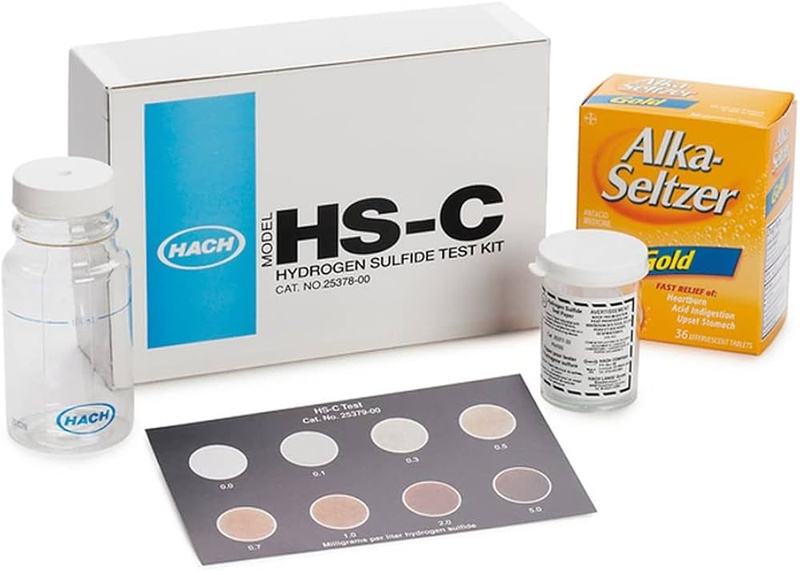
Before investing in any water filtration system, it’s essential to test your water to determine the exact hydrogen sulfide concentration. Store-bought test kits can provide a general indication, but for accurate results, consider having your water professionally tested. This analysis will reveal not just the sulfur levels but also other contaminants that might influence your filter choice.
Remember that the source of the sulfur smell matters too. If the odor only appears in hot water, the problem might be in your water heater rather than your water supply. Replacing the magnesium anode rod with an aluminum one often solves this specific issue without requiring extensive filtration.
Whole House vs. Point-of-Use Solutions
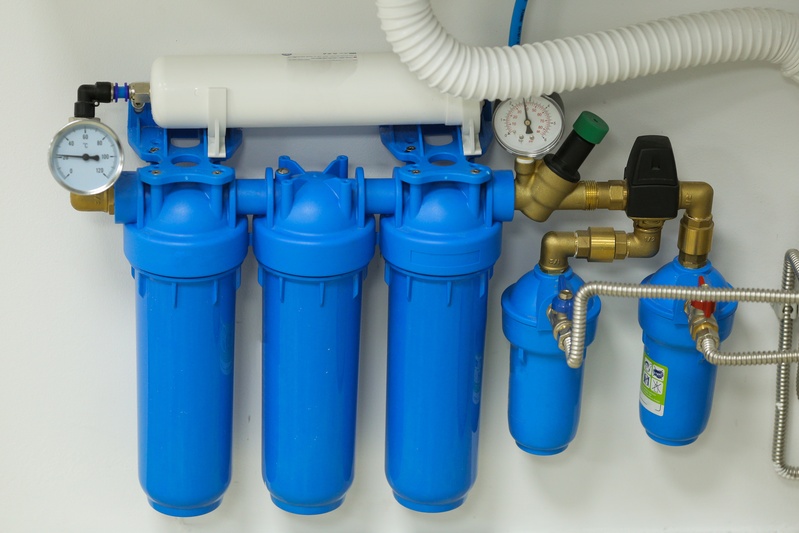
When dealing with sulfur smell, you’ll need to decide between treating all the water entering your home (whole house/point-of-entry) or just the water from specific taps (point-of-use). If the smell affects all water sources in your home, a whole-house system is typically the most practical solution, though it represents a larger investment.
Point-of-use filters like under-sink reverse osmosis systems can effectively treat drinking and cooking water but won’t address shower water or other outlets. These targeted solutions cost less initially but may not completely solve the overall problem if the sulfur smell is pervasive throughout your home.
Call 888-896-7031 for Free Local HVAC Quotes – Compare and Save Today!
Maintenance Requirements for Sulfur-Removing Filters
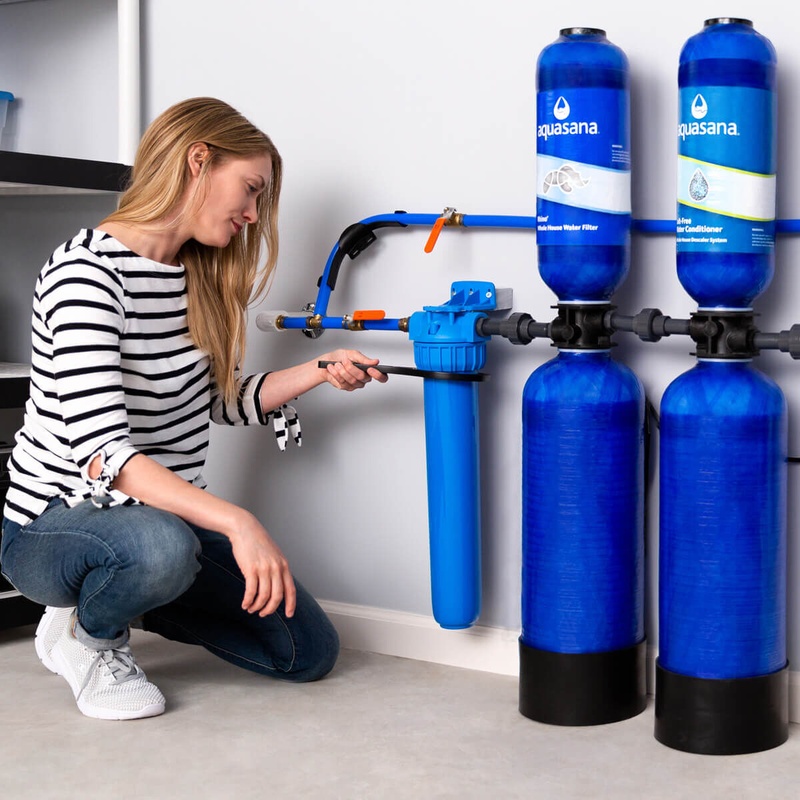
All water filtration systems require ongoing maintenance to remain effective. Systems that combat sulfur smell often need more frequent attention than standard filters because hydrogen sulfide can cause clogging and bacterial growth. Here are the maintenance needs for different systems:
- Carbon filters: Replacement every 2-6 months, depending on water usage and sulfur levels
- Oxidizing media: Backwashing every 3-7 days and media replacement every 3-5 years
- Aeration systems: Regular cleaning of the air injection components and filter replacement
- Reverse osmosis: Pre-filter changes every 6-12 months and membrane replacement every 2-3 years
Neglecting maintenance can not only reduce effectiveness but may also create favorable conditions for bacteria growth, potentially worsening water quality problems over time.
Alternative Solutions for Stubborn Sulfur Problems
For extremely high levels of hydrogen sulfide or when conventional filters aren’t providing satisfactory results, several alternative treatment options exist:
Chemical Oxidation Systems
These systems use chlorine, hydrogen peroxide, or potassium permanganate to oxidize hydrogen sulfide, converting it to elemental sulfur that can then be filtered out. These are highly effective for high concentrations but require careful handling of chemicals and precise dosing equipment.
Iron Removal Systems
Since iron and sulfur problems often occur together, combination systems that address both contaminants can be effective. These typically use oxidation followed by filtration and can handle substantial sulfur levels while also removing iron that might otherwise stain fixtures and laundry.
UV Treatment as a Complement
While ultraviolet (UV) treatment alone won’t remove sulfur smell, it can be an excellent addition to other filtration systems. UV light kills sulfur bacteria that can regenerate in filters and plumbing, preventing the recurrence of sulfur odors after they’ve been initially treated. This is particularly useful for well water systems.
When selecting the right solution for your home, consider consulting with a water treatment professional who can evaluate your specific situation and recommend the most appropriate and cost-effective approach to eliminate that unwelcome sulfur smell once and for all.
Tips for Getting the Best HVAC Prices
- Prioritize Quality Over Cost
The most critical factor in any HVAC project is the quality of the installation. Don’t compromise on contractor expertise just to save money. - Check for Rebates
Always research current rebates and incentives — they can significantly reduce your overall cost. - Compare Multiple Quotes
Request at least three estimates before making your choice. You can click here to get three free quotes from local professionals. These quotes include available rebates and tax credits and automatically exclude unqualified contractors. - Negotiate Smartly
Once you've chosen a contractor, use the proven strategies from our guide — How Homeowners Can Negotiate with HVAC Dealers — to get the best possible final price.