
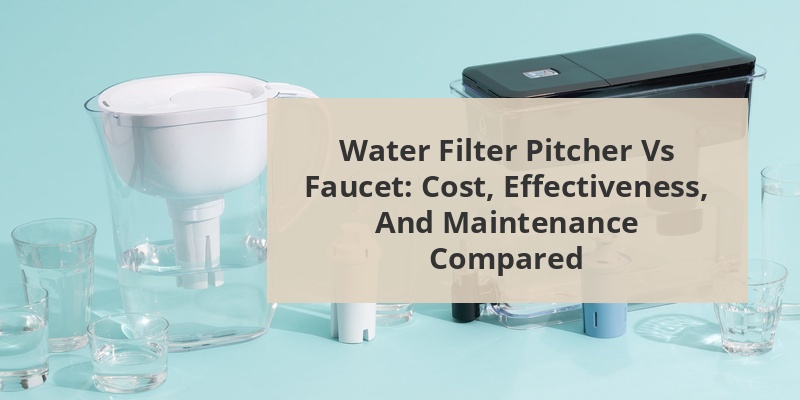
When it comes to improving your home’s water quality, water filter pitchers and faucet filters represent two popular, affordable options. Both systems aim to reduce contaminants and improve taste, but they differ significantly in installation, filtration capacity, maintenance requirements, and convenience. Understanding these differences is crucial for choosing the right filtration system that aligns with your household needs, water consumption patterns, and lifestyle preferences. This comparison explores the key factors to consider when deciding between these two common water filtration methods.
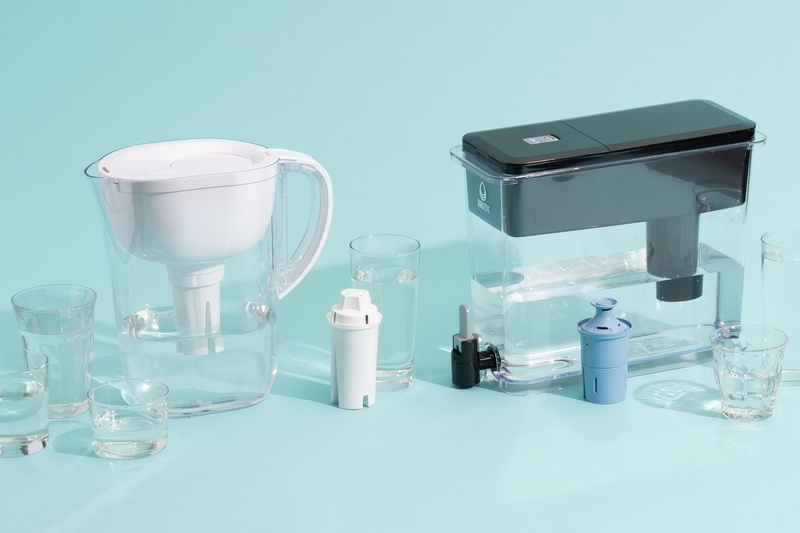
Water filter pitchers operate using a simple gravity-based filtration system. You pour tap water into the top reservoir, and it gradually filters through a cartridge into the main pitcher below. Most pitcher filters use activated carbon as their primary filtration medium, sometimes combined with ion-exchange resins.
These filters are designed to reduce common tap water contaminants including:
- Chlorine (improves taste and odor)
- Some heavy metals like lead and copper
- Certain pesticides and industrial pollutants
- Some pharmaceuticals
The filtration process typically takes 10-15 minutes to complete, depending on the pitcher model and filter quality. Most standard pitchers hold between 8-12 cups of filtered water, making them suitable for individuals or small households.
Content Navigation
How Faucet Water Filters Work
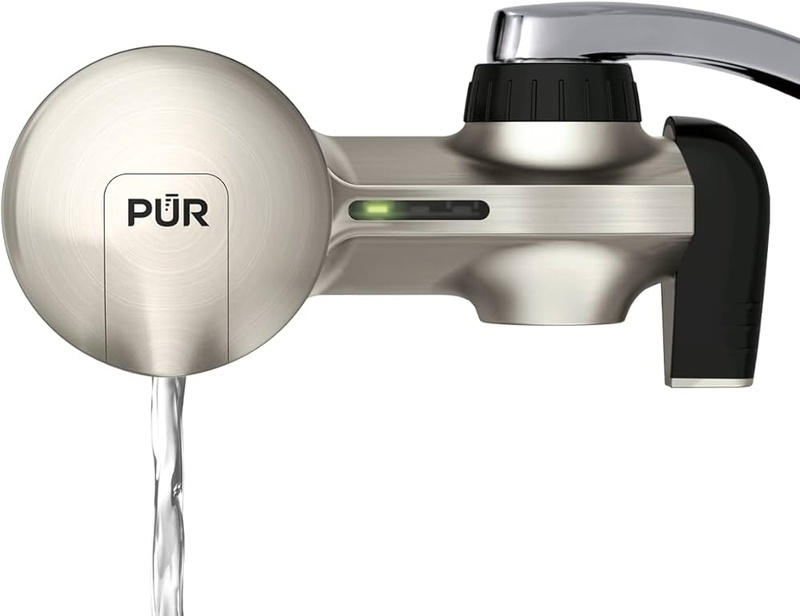
Faucet-mounted filters attach directly to your kitchen faucet and filter water on demand. These systems typically use multi-stage filtration that includes activated carbon along with other filter media. Water passes through the filter cartridge whenever you turn on the tap, with most models featuring a bypass option for when unfiltered water is needed.
Faucet filters generally target:
Call 888-896-7031 for Free Local HVAC Quotes – Compare and Save Today!
- Chlorine and associated taste/odor issues
- Lead and other heavy metals
- Cryptosporidium and giardia cysts
- Industrial chemicals and pesticides
- Sediment and particulates
Most faucet filters can handle a higher volume of water than pitchers and provide filtered water immediately. They typically offer a more convenient solution for households that use larger quantities of filtered water for both drinking and cooking.
Cost Comparison
The financial aspect is often a deciding factor when choosing between these filtration options. Initial investment and long-term maintenance costs vary significantly between the two systems.
| Cost Factor | Water Filter Pitcher | Faucet Filter |
|---|---|---|
| Initial purchase cost | $15-$60 | $20-$50 |
| Replacement filter cost | $5-$15 per filter | $10-$30 per filter |
| Filter lifespan | 1-2 months (40-80 gallons) | 2-3 months (100-200 gallons) |
| Annual maintenance cost | $30-$90 | $40-$180 |
While pitchers often have a slightly lower annual cost, faucet filters generally provide more filtered water per dollar spent. Premium versions of both systems with enhanced filtration capabilities will be at the higher end of these price ranges.
Filtration Effectiveness
The primary purpose of any water filter is contaminant removal, and effectiveness varies between these two systems. Third-party certifications like NSF/ANSI standards provide objective measures of filtration performance.
| Contaminant | Typical Pitcher Reduction | Typical Faucet Filter Reduction |
|---|---|---|
| Chlorine | 91-95% | 97-99% |
| Lead | 50-95% (varies widely) | 99%+ (better models) |
| Cryptosporidium | Limited | 99%+ (if certified) |
| VOCs | Varies by model | Generally better |
| Pharmaceuticals | Varies by model | Better reduction |
Faucet filters typically offer more comprehensive filtration because they can accommodate larger, more complex filter media due to their direct water pressure. However, premium pitcher filters can approach this effectiveness for most common contaminants.
Certification Standards
Look for NSF/ANSI certification when evaluating either option. Common standards include NSF 42 (aesthetic improvements), NSF 53 (health-related contaminant reduction), and NSF 401 (emerging contaminants). Faucet filters more commonly meet the full range of these standards compared to basic pitcher filters.
Call 888-896-7031 for Free Local HVAC Quotes – Compare and Save Today!
Installation and Maintenance
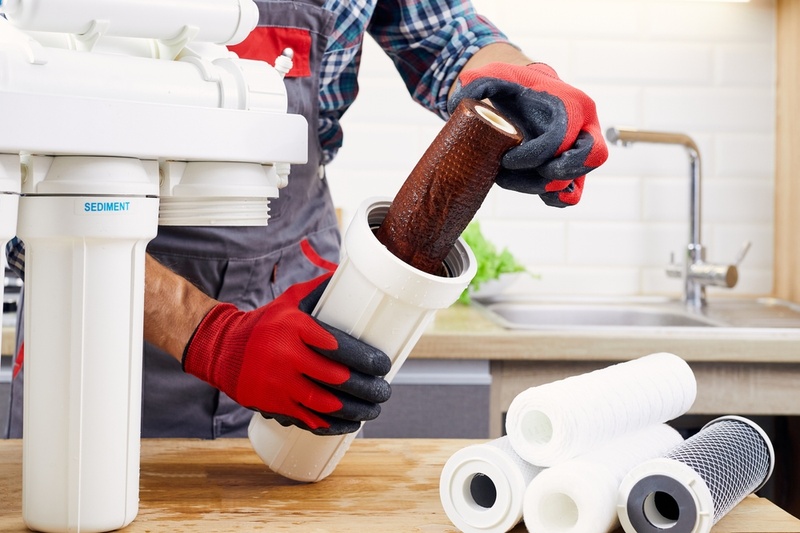
The ease of installation and ongoing maintenance requirements differ substantially between these filtration options.
Pitcher Installation and Maintenance
Pitchers require virtually no installation – simply assemble the filter components according to instructions and fill with water. Maintenance involves replacing the filter cartridge every 1-2 months or 40-80 gallons, depending on manufacturer specifications and water quality.
Some pitchers feature filter life indicators, but many require manual tracking. The pitcher itself should be cleaned regularly with mild soap and water to prevent bacterial growth.
Faucet Filter Installation and Maintenance
Faucet filters require a one-time installation that usually takes 5-10 minutes. Most models attach directly to standard faucet ends without tools, though adapters may be needed for non-standard faucets. Some designer or pull-down faucets may not accommodate these filters at all.
Maintenance involves replacing cartridges every 2-3 months or 100-200 gallons. Many models feature indicator lights that signal when replacement is needed. Regular cleaning of the external housing helps prevent mineral buildup and maintain proper flow.
Convenience and Usability
Day-to-day use considerations often determine long-term satisfaction with either filtration option.
Pitcher Convenience Factors
- Portability – Can be moved anywhere, including refrigerator storage for cold water
- Requires advance planning to ensure filtered water is available
- Limited capacity requires frequent refilling for larger households
- No impact on water pressure or flow rate at the faucet
- Can be brought to the table for serving
Faucet Filter Convenience Factors
- On-demand filtration without waiting
- Unlimited capacity (within filter life constraints)
- Switch lever allows easy toggling between filtered/unfiltered water
- May reduce water pressure significantly
- Fixed location at kitchen sink only
- Can interfere with some sink tasks requiring full faucet access
Environmental Impact
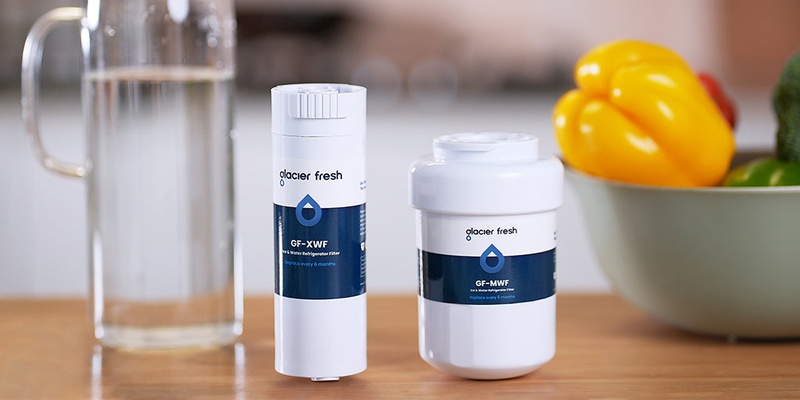
Both filtration systems generate waste through replacement cartridges, but there are notable differences in environmental footprint.
Pitcher filters generally create more waste over time due to their shorter lifespan and smaller filtration capacity. However, some brands now offer recycling programs for used cartridges, and a few companies have introduced biodegradable filter components.
Faucet filters typically last longer and process more water per cartridge, resulting in less frequent replacements and potentially less waste. Both options significantly reduce plastic waste compared to bottled water, with the average household eliminating hundreds of single-use bottles annually.
Space Considerations
Physical space requirements differ substantially between these filtration options.
Pitcher filters require refrigerator or counter space, which can be limiting in smaller kitchens. Standard pitchers occupy approximately 6-8 inches of shelf width and 10-12 inches of height. Slim models designed for refrigerator door storage are available but typically hold less filtered water.
Faucet filters extend 2-4 inches from the faucet horizontally and 4-6 inches vertically. This projection can interfere with deep sink usage and may limit range of motion for the faucet. In very small sinks, this can create practical challenges when washing larger items.
Who Should Choose Each Option?
Water Filter Pitchers Are Ideal For:
- Renters or those who cannot modify their plumbing
- People who prefer cold, refrigerated water
- Households with designer faucets incompatible with attachments
- Those with limited countertop space but adequate refrigerator space
- Single individuals or small households with moderate water consumption
- Homes with decent tap water that just needs taste improvement
Faucet Filters Are Better For:
- Families or larger households with higher water usage
- People who cook frequently with filtered water
- Those seeking more comprehensive contaminant removal
- Individuals who prioritize convenience and immediate access
- Homes with standard faucet configurations that accommodate attachments
- People who don’t want to sacrifice refrigerator space
The right choice ultimately depends on your specific water quality concerns, usage patterns, and lifestyle preferences. Many households even use both systems complementarily to maximize convenience and filtration options.
Tips for Getting the Best HVAC Prices
- Prioritize Quality Over Cost
The most critical factor in any HVAC project is the quality of the installation. Don’t compromise on contractor expertise just to save money. - Check for Rebates
Always research current rebates and incentives — they can significantly reduce your overall cost. - Compare Multiple Quotes
Request at least three estimates before making your choice. You can click here to get three free quotes from local professionals. These quotes include available rebates and tax credits and automatically exclude unqualified contractors. - Negotiate Smartly
Once you've chosen a contractor, use the proven strategies from our guide — How Homeowners Can Negotiate with HVAC Dealers — to get the best possible final price.