
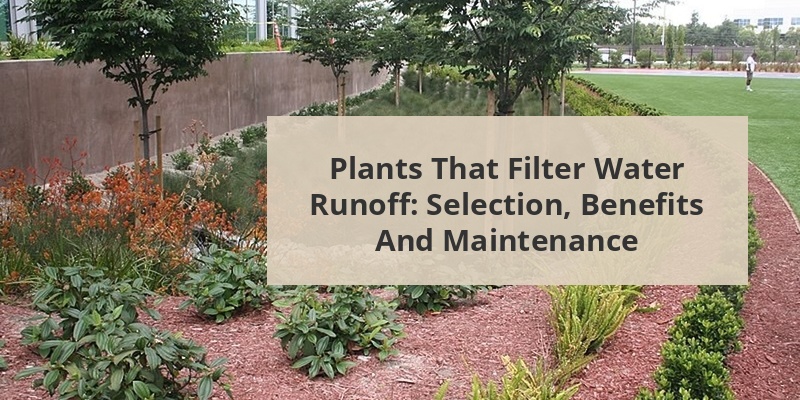
Water runoff from storms, irrigation, and urban environments carries pollutants into natural waterways, causing environmental damage. Strategic planting of certain vegetation can help filter this runoff, reducing contaminants before they reach streams, lakes, and oceans. These specialized plants absorb excess nutrients, trap sediments, break down pollutants, and slow water flow, effectively serving as natural water treatment systems. From rain gardens to riparian buffers, incorporating the right plants in landscape design offers an eco-friendly solution to water pollution while providing additional benefits like habitat creation and erosion control.
Water runoff occurs when precipitation or irrigation can’t be absorbed by the soil and flows across the land surface. In natural settings, much of this water would infiltrate the ground, but urban development with impervious surfaces like roads, parking lots, and rooftops prevents this absorption. As water travels across these surfaces, it collects numerous pollutants including:
- Fertilizers and pesticides from lawns and gardens
- Oil, gasoline, and other automotive fluids from roads and driveways
- Heavy metals from industrial areas
- Bacteria from pet waste and failing septic systems
- Sediment from construction sites and eroded areas
These pollutants then flow into storm drains that often discharge directly into local waterways without treatment. This contaminated runoff can lead to harmful algal blooms, fish kills, contaminated drinking water, and degraded recreational areas. The EPA estimates that runoff is the leading cause of water quality impairment in U.S. surface waters.
Content Navigation
How Plants Filter Water Runoff
Plants serve as natural filters through several biological and physical mechanisms. Their complex root systems are particularly effective at water purification through:
Physical Filtration: Plant roots create a matrix that slows water flow, allowing suspended particles and sediments to settle out. This prevents erosion and keeps sediments from clouding waterways.
Nutrient Uptake: Plants absorb excess nitrogen and phosphorus—common pollutants from fertilizers and waste—using these nutrients for growth instead of allowing them to enter waterways where they could cause algal blooms.
Call 888-896-7031 for Free Local HVAC Quotes – Compare and Save Today!
Microbial Associations: The area around plant roots (the rhizosphere) hosts beneficial bacteria and fungi that break down organic pollutants, pathogens, and even some synthetic chemicals.
Phytoremediation: Some plants can absorb and metabolize certain toxic compounds, including heavy metals and hydrocarbons, effectively removing them from the environment.
Water Storage: Plants capture and use significant amounts of water, reducing the total volume of runoff during rain events. Their canopies also intercept rainfall, slowing its delivery to the ground.
Types of Plants for Water Runoff Filtration
Rain Garden Plants
Rain gardens are shallow depressions planted with species that can tolerate both wet and dry conditions. These gardens capture runoff from roofs, driveways, and lawns, allowing water to slowly infiltrate the soil. Effective rain garden plants include:
- Joe-Pye Weed (Eutrochium purpureum) – Tall perennial with mauve flowers that attracts butterflies
- Swamp Milkweed (Asclepias incarnata) – Pink-flowered native that supports monarch butterflies
- Blue Flag Iris (Iris versicolor) – Beautiful flowering plant that thrives in wet conditions
- Switchgrass (Panicum virgatum) – Drought-tolerant once established with deep roots for filtration
- Cardinal Flower (Lobelia cardinalis) – Brilliant red flowers that attract hummingbirds
Riparian Buffer Plants
Riparian buffers are vegetated areas along waterways that filter runoff before it enters streams or rivers. Plants for these areas must tolerate occasional flooding and provide strong root systems for bank stabilization.
- River Birch (Betula nigra) – Fast-growing tree with exfoliating bark and excellent flood tolerance
- Buttonbush (Cephalanthus occidentalis) – Shrub with distinctive round flowers that tolerates standing water
- Silky Dogwood (Cornus amomum) – Shrub with blue berries that provides wildlife habitat
- Fox Sedge (Carex vulpinoidea) – Grass-like plant with strong soil-binding properties
- American Elderberry (Sambucus canadensis) – Produces edible berries and has dense fibrous roots
Wetland Plants
Constructed wetlands are highly effective at filtering large volumes of runoff. These plants thrive in permanently wet or saturated soils.
Call 888-896-7031 for Free Local HVAC Quotes – Compare and Save Today!
- Cattail (Typha latifolia) – Excellent at nutrient removal but can be aggressive
- Common Rush (Juncus effusus) – Evergreen plant with deep roots that filter effectively
- Pickerelweed (Pontederia cordata) – Attractive purple flowers and strong filtration capacity
- Soft-stem Bulrush (Schoenoplectus tabernaemontani) – Effective at removing heavy metals
- Sweet Flag (Acorus calamus) – Aromatic plant with antimicrobial properties in its roots
Ground Cover Plants
Low-growing plants that create dense coverage prevent erosion and filter runoff across larger areas.
- Pennsylvania Sedge (Carex pensylvanica) – Shade-tolerant grass alternative
- Creeping Jenny (Lysimachia nummularia) – Fast-spreading groundcover for moist areas
- Wild Ginger (Asarum canadense) – Native woodland groundcover for shade
- Moss Phlox (Phlox subulata) – Drought-tolerant option for sunny slopes
- Creeping Juniper (Juniperus horizontalis) – Evergreen option for slopes and banks
Best Plants by Region
| Region | Trees | Shrubs | Perennials | Grasses/Sedges |
|---|---|---|---|---|
| Northeast | Red Maple, River Birch | Winterberry, Arrowwood Viburnum | New England Aster, Bee Balm | Tussock Sedge, Little Bluestem |
| Southeast | Bald Cypress, Sweetbay Magnolia | Inkberry, Beautyberry | Louisiana Iris, Copper Iris | Muhly Grass, River Oats |
| Midwest | Silver Maple, Sycamore | Buttonbush, Spicebush | Prairie Blazing Star, Purple Coneflower | Prairie Dropseed, Fox Sedge |
| West | Western Red Cedar, Oregon Ash | Pacific Ninebark, Red-twig Dogwood | Douglas Iris, Pacific Bleeding Heart | Deergrass, Blue Wild Rye |
Implementation Guidelines
Residential Applications
Homeowners can implement plant-based water filtration through several landscape features:
Rain Gardens: Install 6-12 inches below ground level where runoff naturally collects. Size the rain garden to approximately 20-30% of the drainage area. Select plants based on three moisture zones: occasionally wet (outer edge), sometimes wet (middle), and often wet (center).
Vegetated Swales: Create shallow channels lined with dense vegetation to direct and filter runoff. These work well along driveways and property boundaries. Plant grasses and sedges densely to slow water flow.
Green Roofs: Even small structures like sheds can support shallow-rooted succulents and grasses that capture rainfall. Green roofs require proper waterproofing and structural support.
Permeable Plantings: Replace conventional lawns with native groundcovers or buffer strips that allow water infiltration. This approach requires minimal excavation and can be implemented gradually.
Commercial Applications
Larger-scale implementations require more extensive planning but offer significant benefits:
Bioretention Areas: These engineered systems combine vegetation with specialized soil media to filter larger volumes of runoff. They typically feature a gravel drainage layer beneath amended soil with native plants on top.
Constructed Wetlands: For larger properties, constructed wetlands can process significant runoff volumes. These require professional design but offer excellent filtration capacity for commercial and industrial sites.
Parking Lot Islands: Convert standard concrete islands to vegetated depressions that capture runoff from surrounding pavement. Select salt-tolerant plants in areas with winter de-icing.
Benefits Beyond Water Filtration
Plants that filter water runoff provide numerous additional ecosystem services:
Habitat Creation: Native filtering plants support local wildlife, including pollinators, birds, and beneficial insects. A rain garden can host over 300 species of beneficial insects and dozens of bird species.
Carbon Sequestration: The extensive root systems of many filtering plants store carbon underground. One acre of native grassland can sequester approximately 1.1 tons of carbon annually.
Temperature Regulation: Vegetated areas reduce heat island effects in urban environments. Surface temperatures can be 20-45°F lower in planted areas compared to adjacent pavement.
Aesthetic Improvement: Filtering plants add visual interest and seasonal change to landscapes. Studies show property values increase 5-15% with naturalistic landscaping that includes water-filtering features.
Maintenance Considerations
Proper maintenance ensures long-term filtration effectiveness:
Establishment Period: Most filtering plants require regular watering for the first 1-2 growing seasons until their root systems develop. Apply 1 inch of water weekly during this period if rainfall is insufficient.
Mulching: Apply 2-3 inches of organic mulch to suppress weeds and retain moisture. Keep mulch away from plant stems to prevent rot. Refresh annually as mulch decomposes.
Sediment Removal: In heavy filtration areas, remove accumulated sediment every 3-5 years to maintain water flow and infiltration capacity. This is particularly important in the lowest points of rain gardens.
Invasive Control: Monitor and promptly remove invasive plants that may compete with filtering species. Common invaders include purple loosestrife, reed canary grass, and Japanese knotweed.
Tips for Getting the Best HVAC Prices
- Prioritize Quality Over Cost
The most critical factor in any HVAC project is the quality of the installation. Don’t compromise on contractor expertise just to save money. - Check for Rebates
Always research current rebates and incentives — they can significantly reduce your overall cost. - Compare Multiple Quotes
Request at least three estimates before making your choice. You can click here to get three free quotes from local professionals. These quotes include available rebates and tax credits and automatically exclude unqualified contractors. - Negotiate Smartly
Once you've chosen a contractor, use the proven strategies from our guide — How Homeowners Can Negotiate with HVAC Dealers — to get the best possible final price.