
Charcoal water filters, also known as activated carbon filters, have become increasingly popular among households seeking improved water quality. These filtration systems utilize the natural properties of activated charcoal to remove impurities, chemicals, and unpleasant tastes from drinking water. With growing concerns about water quality and environmental sustainability, charcoal filters offer an effective, affordable solution for cleaner drinking water. From reducing chlorine and volatile organic compounds to improving taste and odor, these filters provide multiple benefits for everyday water consumption without the waste associated with bottled water alternatives.
Charcoal water filters utilize activated carbon, a specially processed form of carbon with an extremely porous structure. This material is typically created by heating carbon-rich materials like coconut shells, wood, or coal in the absence of oxygen. The resulting structure has millions of microscopic pores that create an enormous surface area – just one gram of activated carbon can have a surface area exceeding 3,000 square meters.
These filters work through a process called adsorption (not absorption), where contaminant molecules physically adhere to the carbon’s surface. As water passes through the activated carbon, the contaminants become trapped in the porous structure, resulting in cleaner water flowing out. The high adsorptive capacity makes charcoal particularly effective at removing organic compounds, chlorine, and many volatile substances that affect water quality.
Content Navigation
Key Benefits of Charcoal Water Filters
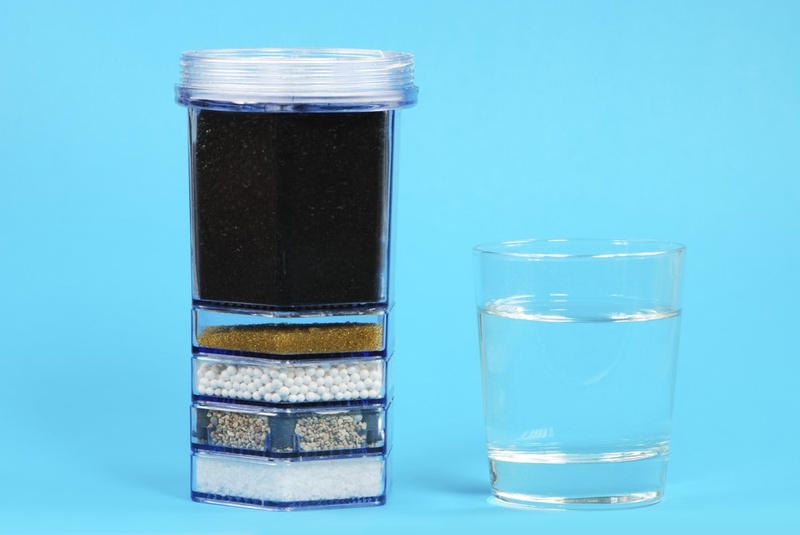
Removal of chlorine and chloramine stands as one of the primary benefits of charcoal filtration. Municipal water supplies typically contain these disinfectants, which, while necessary for preventing bacterial growth in water systems, can create unpleasant tastes and odors. Activated carbon excels at removing up to 99% of chlorine, significantly improving water palatability.
These filters effectively reduce many harmful contaminants including volatile organic compounds (VOCs), pesticides, industrial chemicals, and certain heavy metals. Studies show activated carbon can reduce over 60 different chemicals that may be present in tap water.
Perhaps the most immediately noticeable benefit is the dramatic improvement in taste and odor. By removing chlorine, sulfur compounds, and various organic materials, charcoal filters transform ordinary tap water into a cleaner, more refreshing beverage that encourages increased hydration.
Call 888-896-7031 for Free Local HVAC Quotes – Compare and Save Today!
Health Benefits of Using Charcoal Filters
Charcoal filters provide significant health protection by reducing exposure to potentially harmful chemicals in drinking water. They effectively capture disinfection byproducts like trihalomethanes (THMs) and haloacetic acids (HAAs), which form when chlorine reacts with organic matter and have been linked to potential health concerns with long-term exposure.
Unlike some filtration methods that strip water of beneficial minerals, activated carbon filtration maintains healthy mineral content while removing unwanted chemicals. Essential minerals like calcium, magnesium, and potassium remain in the water, contributing to overall nutritional intake.
For individuals sensitive to chlorine, activated carbon filtration can reduce skin and respiratory irritation during showering or bathing when used in shower filters. This benefit extends beyond drinking water to improve overall quality of life for those with chemical sensitivities.
Environmental Advantages of Charcoal Filtration
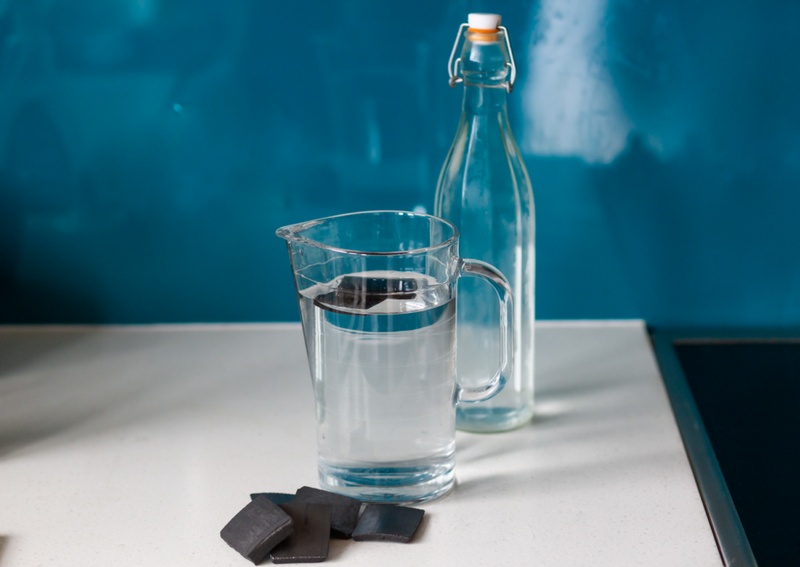
Switching to charcoal water filters creates a substantial reduction in plastic waste compared to bottled water consumption. A single filter can replace hundreds of plastic bottles, helping decrease the estimated 50 billion plastic water bottles Americans use annually, of which only about 23% get recycled.
The manufacturing carbon footprint of activated carbon filters is considerably smaller than that of bottled water production and distribution. While filters do require resources to produce, their overall environmental impact is minimized through repeated use and the reduction of single-use plastic alternatives.
Many activated carbon filters now use sustainable source materials like coconut shells rather than coal-based carbon. This shift toward renewable raw materials further enhances the environmental credentials of charcoal filtration systems while maintaining effective performance.
Call 888-896-7031 for Free Local HVAC Quotes – Compare and Save Today!
Different Types of Charcoal Water Filters
The market offers various charcoal filtration solutions to match different needs and budgets. Understanding the differences helps consumers select the most appropriate system for their specific requirements.
| Filter Type | Installation Complexity | Filtration Capacity | Average Cost Range | Lifespan Before Replacement |
|---|---|---|---|---|
| Pitcher Filters | None (countertop use) | 30-40 gallons | $20-$50 | 2-3 months |
| Faucet-Mounted | Simple (attaches to faucet) | 100-200 gallons | $20-$75 | 2-4 months |
| Countertop Systems | Minimal (connects to faucet) | 500-1,500 gallons | $60-$200 | 6-12 months |
| Under-Sink Systems | Moderate (plumbing connection) | 500-2,000 gallons | $100-$400 | 6-12 months |
| Whole House Systems | Complex (professional installation) | 10,000-150,000 gallons | $300-$1,500+ | 1-5 years |
Pitcher filters offer the most affordable and convenient entry point to charcoal filtration. These portable systems require no installation and work well for individuals or small households with limited water consumption needs.
Under-sink and whole-house systems provide more comprehensive filtration for larger households. While requiring greater initial investment, they deliver filtered water to multiple access points and generally offer longer filter life and lower cost-per-gallon over time.
Contaminant Removal Effectiveness
Not all contaminants are equally affected by charcoal filtration. Understanding what these filters can and cannot remove helps set appropriate expectations for water quality improvement.
| Contaminant Type | Removal Effectiveness | Notes |
|---|---|---|
| Chlorine | Excellent (90-99%) | Primary strength of activated carbon |
| Volatile Organic Compounds | Very Good (60-90%) | Includes many industrial chemicals |
| Pesticides/Herbicides | Good (50-80%) | Varies by specific compound |
| Lead/Heavy Metals | Limited (varies widely) | Only certain activated carbon filters with special additives |
| Bacteria/Viruses | Poor (minimal removal) | Not effective for microbiological filtration |
| Fluoride | Very Poor (5-10%) | Specialized filters needed for fluoride removal |
Standard activated carbon excels at removing organic chemicals and compounds that cause taste and odor issues. For comprehensive protection against a wider range of contaminants, consumers may need multi-stage filtration systems that combine activated carbon with other technologies.
It’s important to note that charcoal filters are not designed to remove bacteria or viruses. For microbiologically unsafe water sources, additional disinfection methods remain necessary, such as UV treatment or certified bacteria-removing filters.
How to Choose the Right Charcoal Water Filter
Understanding Certification Standards
When selecting a charcoal water filter, look for NSF/ANSI certifications that verify performance claims. The most relevant standards include NSF/ANSI 42 (aesthetic effects like taste and odor), NSF/ANSI 53 (health-related contaminant reduction), and NSF/ANSI 401 (emerging contaminants). These independent certifications provide assurance that the filter performs as advertised.
Assessing Your Water Quality
Before purchasing any filter, test your water to identify specific concerns. Municipal water suppliers provide annual water quality reports, and home test kits can offer additional insights. This information helps target the most relevant filtration technology for your situation rather than paying for unnecessary features.
Considering Installation and Maintenance Requirements
Factor in the total cost of ownership including filter replacements. While pitcher filters have low upfront costs, their filters require frequent replacement. Conversely, under-sink systems may cost more initially but often prove more economical over time with their longer-lasting filters and greater capacity.
Maintenance and Longevity Considerations
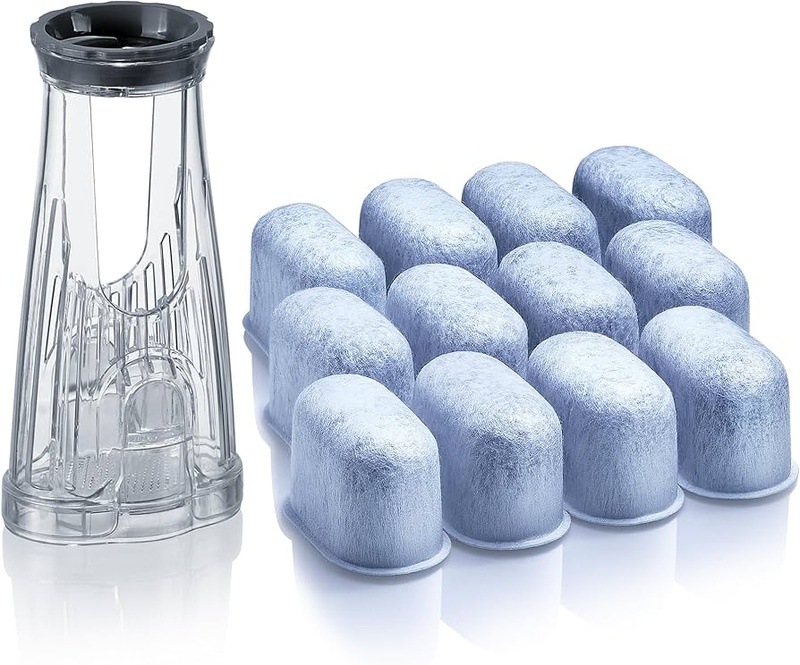
To maintain optimal performance, replace filters according to manufacturer guidelines or when you notice decreased flow rate or changes in water taste. Using filters beyond their recommended lifespan can result in decreased effectiveness and potentially release trapped contaminants back into your water.
Regular maintenance extends beyond simple filter replacement. Clean filter housings and water containers regularly to prevent bacterial growth. For pitcher systems, wash all components (except the filter cartridge itself) with mild soap and water weekly.
The overall cost-effectiveness of charcoal filtration becomes apparent when calculating per-gallon costs. Even premium activated carbon systems typically provide filtered water at 5-15 cents per gallon, compared to bottled water’s average cost of $1.50-$2.00 per gallon, representing potential savings of over 90% while reducing environmental impact.
Tips for Getting the Best HVAC Prices
- Prioritize Quality Over Cost
The most critical factor in any HVAC project is the quality of the installation. Don’t compromise on contractor expertise just to save money. - Check for Rebates
Always research current rebates and incentives — they can significantly reduce your overall cost. - Compare Multiple Quotes
Request at least three estimates before making your choice. You can click here to get three free quotes from local professionals. These quotes include available rebates and tax credits and automatically exclude unqualified contractors. - Negotiate Smartly
Once you've chosen a contractor, use the proven strategies from our guide — How Homeowners Can Negotiate with HVAC Dealers — to get the best possible final price.