
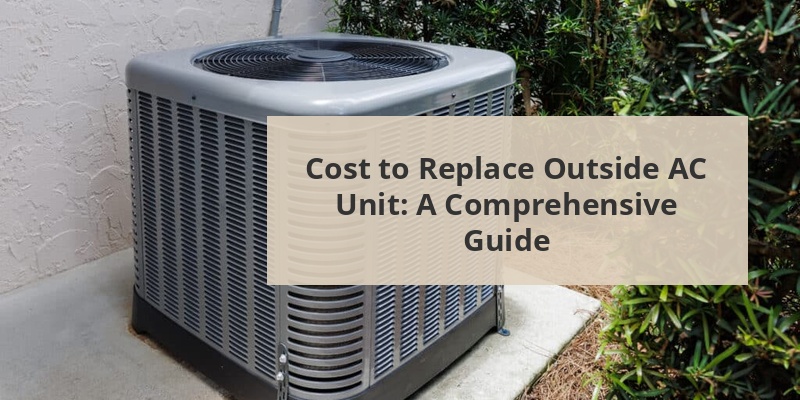
Replacing an outside air conditioning (AC) unit is a significant investment for many homeowners. This guide explains the cost to replace an outside AC unit, the key factors influencing price, and the steps involved in the process. It also offers tips for saving money and making an informed decision for your home’s comfort and efficiency.
Content Navigation
- Outside AC Unit Replacement Cost Summary Table
- How Much Does It Cost To Replace An Outside AC Unit?
- Key Factors Affecting Outside AC Unit Replacement Cost
- Cost Breakdown By AC Unit Size
- Labor And Installation: What To Expect
- Additional Costs To Consider
- Can You Replace Just The Outside AC Unit?
- Popular Brands And Price Examples
- How Long Does AC Unit Replacement Take?
- Should You Repair Or Replace An Outside AC Unit?
- How To Save Money On Outside AC Unit Replacement
- DIY Vs. Professional AC Unit Replacement
- Warranties, Lifespan, And Expected Value
- Frequently Asked Questions About Outside AC Unit Replacement Cost
- Rebates, Incentives, And Tax Credits
- What To Look For In An AC Replacement Contractor
- Final Thoughts On Outside AC Unit Replacement Cost
Outside AC Unit Replacement Cost Summary Table
| Replacement Factor | Typical Cost Range | Key Details |
|---|---|---|
| AC Unit Itself | $1,800–$6,000 | Based on size (tonnage), SEER rating, and brand |
| Labor & Installation | $1,000–$2,500 | Depends on complexity and location |
| Additional Components | $200–$2,000 | Lineset, thermostat, electrical upgrades |
| Total Replacement Cost | $2,800–$10,500 | Combined for most homes in the U.S. |
How Much Does It Cost To Replace An Outside AC Unit?
The cost to replace an outside AC unit in the United States typically ranges between $2,800 and $10,500. The national average is about $5,500. This total includes both the new condenser (outside unit) and the cost of professional installation. The price can fluctuate based on unit size, efficiency, labor rates, location, and added features.
Key Factors Affecting Outside AC Unit Replacement Cost
1. AC Unit Size (Tonnage)
The size of the outside AC unit, measured in “tons,” determines how much air it can cool. Bigger homes require more tonnage, which increases cost. Typical sizes range from 1.5 to 5 tons for residential properties.
- 1.5–2 tons: $1,800–$3,000
- 2.5–3 tons: $2,400–$4,000
- 3.5–5 tons: $3,800–$6,000
2. Energy Efficiency (SEER Rating)
Seasonal Energy Efficiency Ratio (SEER) rating measures how efficiently the unit cools. Higher SEER models cost more upfront but save money on energy over time.
- 14–16 SEER: Standard efficiency; lowest upfront cost
- 17–20 SEER: High efficiency; moderate cost increase
- 21+ SEER: Ultra-high efficiency; premium price
3. Brand And Model
Brand reputation affects price. Top brands like Trane, Lennox, Carrier, and Rheem tend to command higher rates due to reliability and warranty coverage, while lesser-known brands may cost less but offer fewer features or shorter warranties.
4. Labor And Installation Complexity
Labor costs make up about 25–40% of total replacement cost. If the job involves relocating the outdoor unit, upgrading electrical connections, or replacing refrigerant lines, costs will rise.
Call 888-896-7031 for Free Local HVAC Quotes – Compare and Save Today!
5. Additional System Components
Sometimes, more than just the outside unit needs updating. Linesets, thermostats, and electrical upgrades can add $200–$2,000 to the project. If the existing indoor coil isn’t compatible with the new condenser, replacing that part will raise the overall cost.
6. Geographic Location
Homeowners in areas with hotter climates or higher labor rates, such as Texas, Florida, or California, tend to pay more for AC replacement due to increased demand and higher cost of living.
Cost Breakdown By AC Unit Size
| AC Unit Size (Tons) | Home Size (sq. ft.) | Unit Cost | Installed Cost |
|---|---|---|---|
| 1.5 | 600–1,000 | $1,800–$2,700 | $2,800–$4,100 |
| 2 | 1,000–1,300 | $2,000–$3,000 | $3,000–$4,600 |
| 2.5 | 1,300–1,600 | $2,400–$3,500 | $3,400–$5,000 |
| 3 | 1,600–1,900 | $2,800–$4,000 | $3,800–$5,700 |
| 4 | 1,900–2,300 | $3,400–$4,600 | $4,400–$6,700 |
| 5 | 2,300–2,800 | $4,000–$6,000 | $5,000–$8,000 |
Labor And Installation: What To Expect
Professional installation is necessary for safety, performance, and warranty coverage. Labor costs typically range from $1,000 to $2,500. The price will depend on:
- Ease of access
- Distance to electrical service
- Need for new pads or brackets
- Disposal of existing unit
Some HVAC contractors charge a flat rate, while others bill hourly (usually $75–$150 per hour). Always confirm what’s included in your estimate.
Additional Costs To Consider
1. Permit Fees
Most municipalities require a permit for AC unit replacement. Permit fees usually range from $100 to $500, depending on local regulations and the scope of work.
2. Electrical Upgrades
If your new unit requires more power, an electrical panel upgrade may be necessary, averaging $500 to $2,000 extra.
Call 888-896-7031 for Free Local HVAC Quotes – Compare and Save Today!
3. Modern Thermostat
Many homeowners opt for a smart thermostat when replacing the condenser, which can add $150 to $400 but may qualify for rebates or improve efficiency.
4. Ductwork Repairs Or Modifications
If the existing duct system is leaky or outdated, repairing or sealing ducts will add to your cost—a typical price range is $500 to $2,500 based on the extent of work required.
Can You Replace Just The Outside AC Unit?
It’s possible to replace just the outdoor condenser, but in many cases, the indoor coil (evaporator) or entire HVAC system should be replaced at the same time. Mixing new and old components can result in:
- Inefficient operation
- Voided manufacturer warranties
- Poor cooling performance
For best results, match both units for compatibility and maximum efficiency.
Popular Brands And Price Examples
| Brand | Unit Cost (2.5 Tons, 15 SEER) | Installed Cost | Main Features |
|---|---|---|---|
| Trane | $2,800 | $4,300 | Excellent reliability, strong warranty |
| Carrier | $2,600 | $4,100 | Quiet operation, energy efficient |
| Lennox | $2,500 | $4,000 | High SEER options, advanced controls |
| Rheem | $2,300 | $3,800 | Budget-friendly, reliable performance |
| Goodman | $2,100 | $3,500 | Lower cost, solid warranty |
How Long Does AC Unit Replacement Take?
Replacing an outside AC unit usually takes 4–8 hours for a certified technician. The process includes removing the old unit, setting the new one, connecting refrigerant lines and wiring, and testing the system. If both indoor and outdoor components must be changed, allow for an extra day.
Should You Repair Or Replace An Outside AC Unit?
If your AC unit is more than 10–15 years old, faces frequent repairs, or uses outdated refrigerant (like R-22), replacement is usually the wiser option. Repairs often cost $500–$2,000, but may not ensure long-term reliability. Upgrading to a new system provides better energy efficiency, improved comfort, and modern features.
How To Save Money On Outside AC Unit Replacement
- Get multiple quotes from reputable HVAC installers to compare pricing and warranties.
- Shop during the off-season (fall or winter) for possible discounts as demand drops.
- Take advantage of incentives or rebates—federal, state, and utility programs may offer savings for installing high-efficiency units.
- Consider financing or payment plans if the upfront cost strains your budget.
- Maintain your system annually to maximize efficiency and lifespan.
DIY Vs. Professional AC Unit Replacement
While it’s tempting to save on installation costs, replacing an outside AC unit is not a DIY project for most homeowners. It requires specialized tools, knowledge of electrical and refrigerant systems, and adherence to safety codes. Improper installation can lead to system damage, voided warranty, or even safety hazards. Always hire a certified professional to ensure quality and compliance.
Warranties, Lifespan, And Expected Value
Warranties
Most new outside AC units come with a 5- to 10-year manufacturer warranty covering parts (and sometimes labor). Registering your product and using a licensed installer is often required for full coverage. Some brands offer extended warranties at an additional cost.
Lifespan
A modern, well-maintained outdoor AC unit typically lasts 12 to 20 years. Extreme climates or poor maintenance can decrease lifespan, while regular professional maintenance ensures optimal performance.
Frequently Asked Questions About Outside AC Unit Replacement Cost
1. How Can I Get The Best Price To Replace My Outside AC Unit?
Gather several detailed estimates and ensure each quote includes all necessary components, labor, disposal, and warranty information. Ask about available rebates or discounts, and confirm that the contractor is licensed and insured.
2. What Size AC Unit Do I Need For My Home?
The appropriate tonnage is based on your home’s square footage, insulation, window count, climate, and other factors. A reputable contractor will perform a Manual J calculation to size the system correctly. Oversized or undersized units result in decreased efficiency and comfort.
3. Are High-Efficiency Units Worth The Extra Cost?
High-SEER units cost more upfront, but they typically deliver long-term energy savings and may qualify for incentives. Weigh the additional cost against your expected length of ownership, utility rates, and local climate.
4. Should The Entire System Be Replaced At Once?
Replacing both indoor and outdoor components at the same time ensures maximum efficiency, compatibility, and warranty coverage. If your indoor coil or air handler is newer and compatible, you may only need the outside unit.
5. What If My Home Uses R-22 Refrigerant?
Most new units use R-410A or newer, eco-friendly refrigerants. If your old system relies on R-22 (banned in new systems), replacement is recommended.
Rebates, Incentives, And Tax Credits
Many utility companies, states, and the federal government offer substantial rebates and tax credits for energy-efficient HVAC system upgrades. For 2025, federal tax credits of up to $2,000 are available for high-efficiency air conditioners meeting required standards. Check Energy Star and your local utility websites for details.
What To Look For In An AC Replacement Contractor
- NATE certification: Indicates national technical training
- State licensing and insurance: Essential for compliance
- Strong local references and positive online reviews
- Detailed written estimates: No unclear charges
- Willingness to answer questions and explain options
Final Thoughts On Outside AC Unit Replacement Cost
Knowing the cost to replace an outside AC unit prepares homeowners to make smart, informed choices about comfort, efficiency, and long-term value. With careful comparison and professional guidance, your investment will deliver reliable cooling for years to come.
Tips for Getting the Best HVAC Prices
- Prioritize Quality Over Cost
The most critical factor in any HVAC project is the quality of the installation. Don’t compromise on contractor expertise just to save money. - Check for Rebates
Always research current rebates and incentives — they can significantly reduce your overall cost. - Compare Multiple Quotes
Request at least three estimates before making your choice. You can click here to get three free quotes from local professionals. These quotes include available rebates and tax credits and automatically exclude unqualified contractors. - Negotiate Smartly
Once you've chosen a contractor, use the proven strategies from our guide — How Homeowners Can Negotiate with HVAC Dealers — to get the best possible final price.