
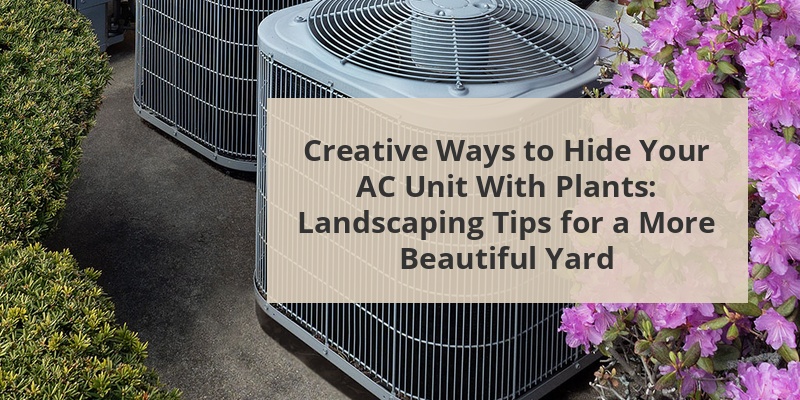
Outdoor air conditioning units are vital for comfort, yet they can be an eyesore in your backyard or front yard. Many American homeowners are now looking for attractive ways to hide AC units with plants, blending essential home systems with garden aesthetics. This article explores the best plants, landscaping strategies, and maintenance tips to conceal HVAC equipment while ensuring efficiency and easy access. Discover how thoughtful landscaping not only masks your AC unit but also enhances curb appeal and potentially boosts your property’s value.
Content Navigation
- Why Hide Your AC Unit With Plants?
- Important Considerations Before Planting Around An AC Unit
- The Best Plant Types To Hide AC Units
- Plant Selection Guide By U.S. Region
- Landscape Design Ideas For Concealing AC Units With Plants
- Maintenance Tips For Plantings Near AC Units
- Plant Layout Examples Based On Yard Size
- Common Mistakes To Avoid When Hiding AC Units With Plants
- Addition Of Mulch And Rock For A Tidy Look
- Creative Plant Ideas For Unique Styles
- Integrating AC Unit Screening Into Overall Landscape Design
- Enhancing Plant Screens With Garden Art And Lighting
- Popular Plant Combinations For AC Screening
- Choosing The Right Materials For Support Structures
- DIY AC Unit Plant Screen: Step-By-Step
- Professional Landscaping Services For AC Unit Concealment
- Permits And HOA Guidelines
- Cost Considerations And Budgeting
- Frequently Asked Questions About Hiding AC Units With Plants
- Summary Table: Key Principles For Hiding An AC Unit With Plants
- Enhancing Curb Appeal With Green Solutions
Why Hide Your AC Unit With Plants?
Visible outdoor AC units can detract from a well-maintained garden or yard. Hiding your AC unit with plants provides both functional and visual benefits for American homeowners:
- Improves Curb Appeal: Concealing unsightly equipment creates a more elegant landscape.
- Reduces Noise: Dense shrubbery can help muffle the hum of running equipment.
- Protects the Unit: Plants can provide a buffer against debris, dust, and direct sunlight, potentially improving unit durability.
- Enhances Privacy: Strategic plantings can add privacy to yards or patios near the AC unit.
- Eco-Friendly: Integrating more greenery supports pollinators and local biodiversity.
Important Considerations Before Planting Around An AC Unit
Clearance For Airflow
Your AC condenser needs room to “breathe.” Leave 2-3 feet of clearance around the unit and at least 4-5 feet above it to ensure proper airflow. This prevents overheating and allows for efficient operation.
Access For Maintenance
Technicians require easy access to your AC unit for regular servicing and emergency repairs. Be sure plants are spaced to allow passage and avoid thorny or dense shrubs right next to the equipment.
Choosing Low-Debris Plants
AC units can clog when surrounded by plants that drop excessive leaves, seeds, or petals. Pick varieties with minimal seasonal shedding, and avoid invasive vines that can creep into the machinery.
Root Management
Roots can damage AC pads or underground wiring. Choose plants with shallow or non-aggressive root systems, especially for close plantings.
Call 888-896-7031 for Free Local HVAC Quotes – Compare and Save Today!
Sunlight And Microclimate
Strategic planting can offer shade to your AC unit, enhancing its efficiency, but avoid blocking all sun and wind exposure. The condenser needs airflow and some direct light for best function.
The Best Plant Types To Hide AC Units
Certain plant families excel at blending function with beauty around HVAC installations. Top picks in American gardens include:
Evergreen Shrubs
- Boxwood (Buxus spp.): Dense, slow-growing, and easy to shape.
- Yew (Taxus spp.): Year-round coverage, tolerant of pruning.
- Juniper (Juniperus spp.): Drought-tolerant; offers a neat look.
- Holly (Ilex spp.): Spiny varieties deter pests and can form formal screens.
Ornamental Grasses
- Switchgrass (Panicum virgatum)
- Maiden Grass (Miscanthus sinensis)
- Pampas Grass (Cortaderia selloana)
- Dwarf Fountain Grass (Pennisetum alopecuroides)
_
These grasses provide year-round texture, require less pruning, and tend not to drop litter that clogs units.
Tall Perennials And Flowering Plants
- Russian Sage (Perovskia atriplicifolia): Easy-care blue blooms, upright form.
- Black-eyed Susan (Rudbeckia hirta): Bright flowers in summer, open growth habit.
- Daylilies (Hemerocallis spp.): Hardy clumps, low litter, variety of colors.
Climbing Vines And Trellises
If clearance makes direct planting difficult, install a trellis or screen with a non-invasive vine, such as Clematis or Star Jasmine. Avoid aggressive species like English Ivy, which can damage equipment and structures.
Plant Selection Guide By U.S. Region
| Region | Suitable Plant Varieties |
|---|---|
| Pacific Northwest | Boxwood, Japanese holly, Sword fern, Oregon grape |
| Northeast & Midwest | Yew, Arborvitae, Maiden grass, Rugosa rose |
| Southeast | Gardenia, Sweet olive, Dwarf palmetto, Liriope |
| Southwest & Texas | Texas sage, Red yucca, Dwarf nandina, Mexican feather grass |
| Mountain West | Juniper, Blue fescue, Rabbitbrush, Potentilla |
Landscape Design Ideas For Concealing AC Units With Plants
L-Shaped Or U-Shaped Plantings
Arrange shrubs or grasses in an L-shape or U-shape around the AC unit, leaving the access side open. This formation hides the equipment from the most visible angles and allows simple access for maintenance.
Call 888-896-7031 for Free Local HVAC Quotes – Compare and Save Today!
Layered Green Borders
Combine multiple layers of plant heights for a lush look: tall grasses or shrubs in back, mid-height perennials in the middle, and low groundcovers at the front. This provides full coverage without crowding the condenser.
Living Screens And Trellis Fences
Install a small lattice, privacy screen, or decorative trellis and train a manageable vine or espaliered shrub on it. Plant low-maintenance species at the base to soften the look and further mask the equipment.
Container Plant Arrangements
For rental properties or patios, place large potted plants around the unit. Opt for tall, narrow planters with bamboo, ornamental grasses, or small evergreen trees. This allows for reconfiguration and easy removal.
“Invisible Garden Bed” Designs
Blend the AC unit into adjacent flower beds using similar plant varieties and mulch. Visually camouflage equipment as part of the landscape, drawing attention away from the machinery and toward vibrant garden features.
Maintenance Tips For Plantings Near AC Units
- Regularly prune plants to prevent overgrowth into the condenser area.
- Remove debris, such as fallen leaves or twigs, at least once per season.
- Monitor for pests that may be attracted to dense foliage close to your home.
- Water thoughtfully to prevent excess runoff or pooling around the unit’s base.
- Check plant labels for mature height and width to plan your spacing accurately.
- Schedule professional AC maintenance and notify technicians about plantings.
Plant Layout Examples Based On Yard Size
| Yard Size | Recommended Approach | Plant Examples |
|---|---|---|
| Small City Lot | Compact shrubs, vertical planters, modern trellis | Dwarf boxwood, Clematis on trellis, Bamboo in pots |
| Suburban Backyard | Layered border, mixed perennials, L-shaped evergreen hedge | Maiden grass, Daylily, Arborvitae, Russian sage |
| Large Rural Property | Naturalized screening, large ornamental grasses, flowering shrubs | Pampas grass, Hydrangea, Switchgrass, Viburnum |
Common Mistakes To Avoid When Hiding AC Units With Plants
- Blocking Airflow: Avoid planting too close or using dense barriers that trap heat.
- Ignoring Unit Access: Always allow a clear path for repairs and service.
- Choosing Messy Species: Steer clear of plants that drop excessive litter or attract pests.
- Overwatering: Don’t allow water to run under the unit, which can encourage rust or mold.
- Letting Plants Grow Out Of Control: Prune regularly for both plant health and equipment safety.
Addition Of Mulch And Rock For A Tidy Look
Enhance the appearance of your plantings by using mulch, river rock, or gravel around the base of your AC unit. This reduces weed growth, improves drainage, and deters animals that may dig or nest under the equipment.
Creative Plant Ideas For Unique Styles
Modern Minimalist
Opt for columnar evergreens such as Sky Pencil Holly or Italian Cypress in symmetrical arrangements for a sleek appearance.
Cottage Garden Charm
Surround your unit with a mix of flowering perennials, fragrant herbs, and climbing roses on a wooden trellis.
Wildlife-Friendly
Choose native species and pollinator plants such as coneflowers, goldenrod, asters, and butterfly bushes.
Integrating AC Unit Screening Into Overall Landscape Design
A successful concealment strategy ties the AC unit screen into the larger yard aesthetic. Echo plant choices and hardscape materials already in use across your property, such as stone, cedar, or native grasses, for a harmonious theme.
If your yard is compartmentalized (front yard, backyard, garden beds), try linking plant screens to existing garden borders. This visually shrinks the mechanical area and makes it feel purposeful, rather than an afterthought.
Enhancing Plant Screens With Garden Art And Lighting
Complement your greenery with garden art, such as a weatherproof sculpture or tall ceramic urn, to draw attention away from the AC and toward a focal point. Low-voltage landscape lighting can softly illuminate both plants and art, improving nighttime beauty and safety around your equipment.
Popular Plant Combinations For AC Screening
| Climate | Best Combination |
|---|---|
| Cool, Moist (Pacific NW, New England) | Boxwood + Ferns + Rhododendron |
| Hot, Dry (Southwest, SoCal) | Red yucca + Mexican feather grass + Texas sage |
| Humid, Warm (Southeast) | Gardenia + Dwarf palmetto + Liriope |
Choosing The Right Materials For Support Structures
When using screens, trellises, or container groupings, choose weather-resistant and rust-proof materials. Powder-coated steel, rot-resistant wood (such as cedar or redwood), vinyl fencing, and composite materials are excellent choices for withstanding American weather.
DIY AC Unit Plant Screen: Step-By-Step
Tools And Materials Needed
- Shovel & soil amendment
- Mulch or decorative rock
- Pruning shears
- Measuring tape (for spacing)
- Plants and/or containers per your climate
- Optional: Pre-built screen or trellis panels
Planting Steps
- Measure and mark a 2–3 foot buffer around your AC unit’s sides and 4–5 feet above
- Layout your plants or container plan, focusing on concealment from key sightlines
- Dig holes, amend soil, and plant at correct depth per plant label instructions
- Add mulch or gravel for weed control and aesthetics
- Water thoroughly and stake new plants if necessary
- Optional: Install your screen or trellis and train any vines carefully along it
- Check for proper airflow and unit access before finishing
Professional Landscaping Services For AC Unit Concealment
For complex yards or custom installations, consider hiring a local landscape designer or HVAC-savvy gardening contractor. They can create an efficient, code-compliant plan and guarantee beautiful results with minimal effort.
Permits And HOA Guidelines
Check local building codes and Homeowners Association (HOA) rules before starting. Some neighborhoods have height limits on screens or restrictions on certain species or colors.
Cost Considerations And Budgeting
The cost to hide your AC unit with plants varies based on plant size, type, and whether you opt for professional help. Basic DIY projects may start under $200, while large shrub screens or custom trellis work could run $1,000 or more.
Frequently Asked Questions About Hiding AC Units With Plants
- Can hiding the AC unit affect its efficiency? Not if you maintain recommended clearance and use open plant types.
- How often should I prune around my AC unit? At least twice a year; check before summer and winter seasons.
- Are there plants I should never use? Avoid invasive vines, bamboo, and anything with aggressive roots or excessive shedding.
- Can I grow edible plants around my AC? It’s generally not advised, as hot air and air flow may harm edibles; use herbs or ornamentals instead.
- Will this reduce noise? Thick shrubs or evergreens can help but won’t eliminate all noise. For high noise areas, combine plantings with a decorative acoustic panel behind the screen.
Summary Table: Key Principles For Hiding An AC Unit With Plants
| Action | Purpose | Best Practices |
|---|---|---|
| Maintain Airflow Clearance | AC Efficiency, Prevent Overheating | 2–3 feet sides, 4–5 feet above unit, no dense barriers |
| Choose Appropriate Plants | Visual Appeal, Easy Maintenance | Low-litter, shallow roots, native or adapted species |
| Layering And Positioning | Maximize Concealment, Access | Staggered heights, L- or U-shape, leave unit access side open |
| Monitor And Maintain | Longevity Of Both Equipment And Plantings | Prune twice yearly, clear debris, inspect for pests regularly |
| Consult Experts When Needed | Safety, Code Compliance, Design | Check permits, HOA rules, hire professional for complex sites |
Enhancing Curb Appeal With Green Solutions
By using carefully selected plants to hide your AC unit, homeowners can improve their property’s appearance, foster biodiversity, and potentially lower cooling costs through strategic shading. Thoughtful design ensures that beauty and efficiency go hand-in-hand, turning a necessary household fixture into a seamless part of your garden sanctuary.
Tips for Getting the Best HVAC Prices
- Prioritize Quality Over Cost
The most critical factor in any HVAC project is the quality of the installation. Don’t compromise on contractor expertise just to save money. - Check for Rebates
Always research current rebates and incentives — they can significantly reduce your overall cost. - Compare Multiple Quotes
Request at least three estimates before making your choice. You can click here to get three free quotes from local professionals. These quotes include available rebates and tax credits and automatically exclude unqualified contractors. - Negotiate Smartly
Once you've chosen a contractor, use the proven strategies from our guide — How Homeowners Can Negotiate with HVAC Dealers — to get the best possible final price.