
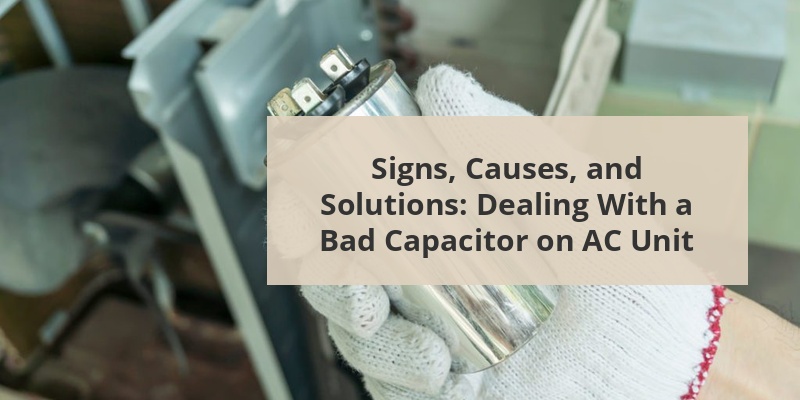
If your air conditioner seems sluggish, won’t start, or blows warm air, a bad capacitor on AC unit might be the culprit. This essential electrical component helps your system start and run efficiently, ensuring cool comfort during hot summer months. Prompt diagnosis and repair are crucial. In this article, discover the symptoms, causes, testing methods, and solutions for a failing capacitor — information vital for homeowners and DIYers seeking reliable AC performance and energy savings.
| Symptom | Likely Cause | Recommended Action |
|---|---|---|
| AC Won’t Start | Failed Start or Run Capacitor | Test & Replace Capacitor |
| Warm Air Blowing | Run Capacitor Weak/Dead | Check for Swelling/Leaks, Replace if Needed |
| Loud Humming or Clicking | Electrical Issues or Overheating | Inspect & Repair Capacitor Circuit |
| Burning Smell | Capacitor Overheating | Shut Off Power & Inspect Immediately |
Content Navigation
- What Is A Capacitor In An AC Unit?
- Common Symptoms Of A Bad AC Capacitor
- What Causes An AC Capacitor To Go Bad?
- How To Test For A Bad AC Capacitor
- Types Of AC Capacitors And Their Roles
- How To Replace A Bad AC Capacitor
- DIY Versus Professional Repair
- Cost Of AC Capacitor Replacement
- Best Practices For Preventing AC Capacitor Failure
- Frequently Asked Questions About Bad Capacitor On AC Unit
- Common Mistakes When Replacing AC Capacitors
- Environmental Impact Of Failing AC Capacitors
- How To Find The Right Replacement AC Capacitor
- Summary: Why AC Capacitor Health Matters
What Is A Capacitor In An AC Unit?
The capacitor is an essential electrical component in air conditioning systems, designed to store and release energy to help motors start and run smoothly. Most AC units contain two types of capacitors: the start capacitor and the run capacitor. The start capacitor provides a boost of power to kick-start the compressor and fan motors, while the run capacitor supplies ongoing energy, keeping those motors operating efficiently.
Common Symptoms Of A Bad AC Capacitor
AC Won’t Turn On
One of the most frequent signs of a bad capacitor on an AC unit is when the system fails to start. If you notice your outside unit not turning on at all, a failed capacitor may be preventing it from energizing the compressor or fan motor.
AC Blows Warm or Weak Air
If the system runs but blows warm or weak air, the run capacitor could be failing. This component keeps motors running at full speed; when it’s weak, performance and energy efficiency dramatically drop.
Frequent System Cycling
Short-cycling, or the AC turning on and off rapidly, may result from a weakened capacitor unable to maintain adequate power for the compressor or blower.
Unusual Noises
Loud humming, clicking, or buzzing during startup or operation signals electrical strain or component failure, often originating from a defective capacitor straining to deliver current.
Call 888-896-7031 for Free Local HVAC Quotes – Compare and Save Today!
Visible Damage
Inspect the capacitor for bulging, swelling, leaks, or corrosion. Physical deformities signal the internal components have compromised, warranting immediate replacement.
What Causes An AC Capacitor To Go Bad?
Age And Wear
Capacitors wear out over time, typically lasting 5 to 10 years. Normal use eventually dries out the internal electrolyte, reducing capacitance and effectiveness.
Electrical Surges
Lightning strikes, power outages, or voltage spikes can overwhelm and break down weak capacitors, causing premature failure and potentially damaging other system components.
Heat Exposure
Excessive heat, especially from high summer temperatures or restricted airflow, accelerates capacitor aging. Most AC capacitors are rated for continuous operation at up to 70°C (158°F); hotter conditions shorten life expectancy.
Mechanical Damage
Vibration, improper installation, or accidental impacts can damage or dislodge capacitor terminals, causing intermittent contacts or total failure.
Poor Quality Or Defective Parts
Lower-quality or defective replacement capacitors may have shorter lifespans or inadequate specification ratings for your particular AC model.
Call 888-896-7031 for Free Local HVAC Quotes – Compare and Save Today!
How To Test For A Bad AC Capacitor
Safety First
Always turn off power at the breaker, wear insulated gloves, and discharge the capacitor before inspecting or testing. Capacitors store electrical energy and can deliver a harmful shock if handled improperly.
Visual Inspection
- Look for bulging, leaking fluid, burnt terminals, or corroded connections.
- Check for disconnected or loose wires.
Multimeter Test
- Discharge the capacitor with an insulated screwdriver.
- Set the multimeter to microfarads (µF).
- Disconnect capacitor terminals, then attach the leads to each terminal.
- If the measured value is 20% lower than the rating on the capacitor body, replacement is recommended.
Startup Observation
If the outside unit doesn’t start, try spinning the fan with a stick after switching the system on. If the fan blades spin freely but slow to start or immediately stop, a faulty run capacitor is likely to blame.
Types Of AC Capacitors And Their Roles
| Capacitor Type | Role | Performance Issue If Bad |
|---|---|---|
| Start Capacitor | Delivers initial power surge to start compressor or fan | Compressor/fan won’t start, humming noise |
| Run Capacitor | Provides steady power for continued operation | Weak cooling, intermittent operation, overheating motor |
| Dual-Run Capacitor | Supports both compressor and fan in one unit | Total system failure, both motors impacted |
How To Replace A Bad AC Capacitor
Required Tools And Materials
- Replacement capacitor (exact type, voltage, and µF rating)
- Insulated screwdriver and pliers
- Multimeter
- Work gloves and safety glasses
- Marker to label wires
Replacement Steps
- Disconnect power at the breaker.
- Remove access panel on outdoor unit.
- Locate and discharge the capacitor using an insulated screwdriver.
- Label each wire (common, fan, herm/compressor), then disconnect from the old capacitor.
- Install the new capacitor, matching wire labels to correct terminals.
- Secure capacitor, check connections, and reinstall access panel.
- Restore power and test system operation.
Never substitute a capacitor with incorrect voltage or microfarad rating — install a part specified by your AC manufacturer to ensure safe and reliable performance.
DIY Versus Professional Repair
When Should Homeowners Attempt Replacement?
Replacing a capacitor in an AC unit is a straightforward but electrical task. Skilled DIYers comfortable with safety protocols, basic electrical knowledge, and proper tools can complete the job successfully. Always discharge the capacitor and verify power is off.
When To Call A Professional
- If the problem involves wiring beyond the capacitor
- When the symptoms suggest compressor failure or major electrical issues
- Uncertainty about capacitor ratings or compatibility
- No prior electrical repair experience
Improper repair can damage system components or risk personal injury. HVAC pros also check for related damage and test the full system after the fix.
Cost Of AC Capacitor Replacement
| Repair Type | Average Cost (Parts Only) | Average Cost (Parts + Labor) |
|---|---|---|
| DIY — Single or Dual Capacitor | $10–$30 | $10–$30 |
| Professional Replacement | $10–$30 | $120–$250 |
Capacitor prices depend on size, voltage, and configuration. Most common residential AC capacitors fall between 25 µF and 80 µF at 370 to 440 volts.
Best Practices For Preventing AC Capacitor Failure
- Schedule annual AC maintenance with a certified technician to test capacitors and other electrical components.
- Keep outdoor units shaded, clean, and clear of debris to avoid overheating.
- Install whole-home surge protectors to limit exposure to damaging voltage spikes.
- Have capacitors replaced with original equipment manufacturer (OEM) parts rather than generic substitutes whenever possible.
- Address signs of trouble early — slow starting, warm air, or odd sounds can precede total capacitor failure.
Frequently Asked Questions About Bad Capacitor On AC Unit
Is It Safe To Run An AC With A Failed Capacitor?
No. Operating with a bad capacitor strains the compressor and fan motors, risks major breakdowns, and often results in higher electric bills or even fire hazards.
How Often Do AC Capacitors Need To Be Replaced?
With proper maintenance and moderate use, capacitors typically last 5–10 years. Extreme heat or power surges may reduce this lifespan.
Can A Bad Capacitor Cause Compressor Failure?
Yes, prolonged operation with a weak or failed capacitor can overburden the compressor, causing expensive damage that could require total replacement of the outdoor unit.
Are Bad AC Capacitors Covered By Warranty?
Many new air conditioners cover parts like capacitors under manufacturer warranty, often for 5–10 years, provided installation and repairs are by licensed contractors.
What Size Capacitor Does My AC Unit Need?
Find the required specifications (microfarads and voltage) on the original capacitor label or your system’s service manual. Never install a unit with mismatched ratings.
Common Mistakes When Replacing AC Capacitors
- Failing to discharge the old capacitor — can cause electrical shock.
- Mixing up wiring connections (fan, common, herm/compressor terminals).
- Using a generic capacitor with incorrect rating.
- Ignoring early signs of capacitor failure.
- Reinstalling panels without securing all hardware.
Environmental Impact Of Failing AC Capacitors
Repeated startups, short-cycling, and inefficient operation caused by bad capacitors increase energy consumption and strain the power grid. Early detection and replacement support both cost savings and environmental stewardship.
How To Find The Right Replacement AC Capacitor
- Record the microfarad (µF) and voltage (V) ratings from the old capacitor.
- Choose dual-run capacitors if your AC uses both a compressor and blower/fan supported by a single capacitor.
- Purchase from reputable HVAC suppliers to ensure you receive a quality, tested part rather than a counterfeit substitute.
Summary: Why AC Capacitor Health Matters
An AC unit’s capacitor is the heartbeat of its electrical system. A bad capacitor causes poor performance, noisy operation, expensive repairs, and even system failure. Regular testing, immediate replacement upon warning signs, and professional support ensure reliable cooling and longevity of your home comfort system.
Tips for Getting the Best HVAC Prices
- Prioritize Quality Over Cost
The most critical factor in any HVAC project is the quality of the installation. Don’t compromise on contractor expertise just to save money. - Check for Rebates
Always research current rebates and incentives — they can significantly reduce your overall cost. - Compare Multiple Quotes
Request at least three estimates before making your choice. You can click here to get three free quotes from local professionals. These quotes include available rebates and tax credits and automatically exclude unqualified contractors. - Negotiate Smartly
Once you've chosen a contractor, use the proven strategies from our guide — How Homeowners Can Negotiate with HVAC Dealers — to get the best possible final price.