
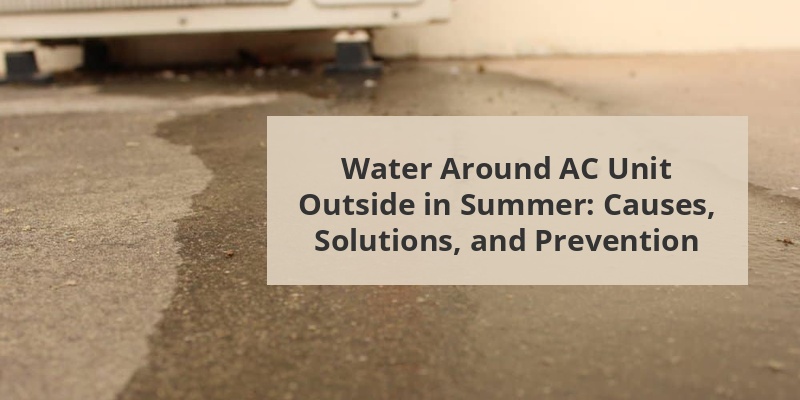
Seeing water pooling around your AC unit outside during summer can be alarming for any homeowner. While some water under and around an outdoor air conditioner is normal, excessive puddling often signals issues needing attention. This detailed guide explains why water appears around your AC unit in hot weather, how to troubleshoot common causes, and what steps you can take to resolve and prevent problems.
Content Navigation
- Why Is There Water Around The Outside AC Unit In Summer?
- Main Causes Of Water Pooling Around Outdoor AC Units
- How Much Water Around Outdoor AC Is Normal?
- How To Troubleshoot Water Leaks Around Your Outdoor AC Unit
- Dangers Of Persistent Water Around The Outside AC Unit
- Best Solutions To Fix Water Pooling Around The AC Unit
- When To Call An HVAC Professional
- Preventing Water Pooling Around Outdoor AC Units In Summer
- Frequently Asked Questions About Water Around Outdoor AC Units
- Summary Table: Causes & Solutions For Water Pooling Around Outdoor AC In Summer
- Expert Tips For AC Longevity During Summer
Why Is There Water Around The Outside AC Unit In Summer?
The outside portion of a central air conditioning system is called the condenser unit. During summer, this unit releases heat removed from inside your home. It’s perfectly normal for a small amount of water to collect near the base after operation, especially on humid days. However, large or constant puddles are not normal and usually indicate an underlying issue. Understanding the difference is key to knowing when to act.
Normal Condensation Versus Excessive Water
- Light dripping or brief puddles—Often just condensation forming on cold metal parts or the result of rain/sprinkler spray.
- Standing water or ongoing pooling—Signals a problem such as blocked drainage, refrigerant issues, or component failure.
Main Causes Of Water Pooling Around Outdoor AC Units
Multiple factors may contribute to water accumulation around your outdoor AC condenser, but not all require the same response. Here are the most frequent explanations, especially in summer:
1. Normal Condensation
As the air conditioner extracts humidity from indoor air, condensate forms and drains outside. On hot, muggy days, more moisture can collect as the unit works harder. This results in some dripping or slight puddling after long cooling cycles.
2. Clogged Or Disconnected Drain Line
The condensate drain line removes water created by humidity inside your home. If it becomes blocked by algae, dirt, or mold, water can back up and leak outside near the condenser unit housing. In some cases, the drain line may also disconnect or break, releasing water in the wrong place.
3. Blocked Or Broken Drain Pan
Central AC systems feature a pan designed to collect water before drainage. If this pan becomes clogged, rusted, or cracked, excess water will spill and accumulate around your outdoor unit.
Call 888-896-7031 for Free Local HVAC Quotes – Compare and Save Today!
4. Frozen Evaporator Coil
If the evaporator coil inside your AC freezes due to low refrigerant, poor airflow, or dirty filters, large amounts of ice can form and then melt suddenly. The resulting runoff may overwhelm normal drainage, causing noticeable puddling outside.
5. Refrigerant Leaks
Low refrigerant disrupts the cooling cycle and can lead to coil freezing. When the frozen coil melts, it can result in surges of wastewater around your condenser unit in addition to poor cooling performance.
6. Poor Outdoor Unit Placement And Grading
If your condenser unit is placed on uneven ground or near low-lying landscaping, water from condensation or rain can pool rather than draining away. Poor grading may direct water beneath your AC unit, increasing risk of electrical or component damage.
7. Rain Or Sprinkler Water
After heavy rain or if landscape sprinklers spray the unit directly, you may notice temporary puddles. This water should quickly evaporate or drain away, not linger throughout the day.
8. Plumbing Or Gutter Problems Nearby
Sometimes water is unrelated to your AC. Broken landscape irrigation lines or malfunctioning gutters can cause water flow toward the condenser pad, resulting in apparent leaks.
How Much Water Around Outdoor AC Is Normal?
While some condensation is expected in summer, it’s important to gauge what’s within healthy limits. Here’s a general guide for homeowners:
Call 888-896-7031 for Free Local HVAC Quotes – Compare and Save Today!
| Condition | What It Indicates |
|---|---|
| Light dripping during operation | Normal, especially in humid weather |
| Puddle disappearing after an hour | Likely just condensation |
| Large/rising puddles hours after shutdown | Sign of drainage or other issue |
| Constant wetness affecting soil/electrical parts | Needs investigation |
How To Troubleshoot Water Leaks Around Your Outdoor AC Unit
When faced with water near your AC unit in summer, take these troubleshooting steps to identify the issue safely:
Check For Normal Condensation
- Observe if puddles appear only during/after operation and evaporate quickly.
- If so, it’s likely condensation from humid air.
Inspect The Drain Line
- Look for blockages or disconnects along the line running from indoor to outdoor unit.
- Use a wet/dry vacuum on the line’s outside end to clear possible clogs.
Examine The Drain Pan
- Check the condition of the drain pan underneath the evaporator coil inside your home.
- If rusted, cracked, or full, excessive water may escape outdoors.
Notice Freezing Or Icing Signs
- If you see ice on refrigerant lines, the evaporator coil may be frozen and releasing large amounts of water during melting.
- Change filters, improve airflow, and call a professional for further inspection.
Look At Outdoor Placement
- Ensure your AC unit is sitting level and not in a depression where water accumulates naturally.
- Clear away mulch, debris, or landscaping that may retain water near the condenser base.
Rule Out Rain And Sprinkler Influence
- After rainfall or yard irrigation, check if water dries quickly. If it persists, diagnosis may be required.
Check For Nearby Plumbing Or Gutter Leaks
- Inspect gutters and irrigation lines close to the AC unit for leaks or overflow leading to water pooling.
Dangers Of Persistent Water Around The Outside AC Unit
While a little water may not seem like a problem, ongoing puddling can cause serious trouble for your AC system and your property:
- Electrical Short Circuits: Exposure to moisture can damage wiring and components, potentially causing hazardous short circuits or system failure.
- Corrosion: Standing water leads to rust on metal components, reducing lifespan or causing mechanical breakdowns.
- Mold And Mildew: Damp conditions foster biological growth that harms indoor air and may trigger allergies.
- Soil Erosion: Water pooling around the base can undermine the pad or foundation for your condenser, causing instability or vibration issues.
- Attracting Pests: Persistent moisture may draw insects and rodents.
Best Solutions To Fix Water Pooling Around The AC Unit
If you identify an abnormal source of water, it’s important to address it quickly. Here are the most effective fixes for the main culprits:
Unclog The Condensate Drain Line
- Turn off your AC system for safety.
- Locate the exterior end of the drain line.
- Attach a wet/dry vacuum to remove blockages (algae, debris, etc.).
- Flush with a 50/50 mixture of white vinegar and water to discourage algae.
Repair Or Replace Drain Pans
- If the drain pan is cracked or rusted, it should be professionally replaced.
- While inspecting, check for algae or biofilm buildup which may be responsible for recurring blockages.
Address Frozen Coils
- Change or clean the air filter to improve airflow.
- Ensure all vents inside the home are open and unobstructed.
- If freezing continues, call a licensed HVAC technician to check refrigerant levels and system function.
Improve Unit Position And Grading
- Ensure the condenser is mounted on a level, stable pad above the ground. Concrete or PVC pads are standard.
- Reshape surrounding landscape to promote water flow away from the unit’s base.
Fix Plumbing, Gutter, Or Irrigation Leaks
- Repair or redirect downspouts, gutters, or irrigation pipes contributing to water flow toward the condenser pad.
When To Call An HVAC Professional
Some issues require an experienced HVAC technician for diagnosis and repair:
- Recurring water pooling after troubleshooting basic steps.
- Visible ice buildup on outdoor or indoor coils.
- Suspected refrigerant leaks (which may pose a health hazard and are subject to EPA regulation).
- Electrical shorting or corrosion signs inside the condenser unit.
- Complex repairs (e.g., replacing drain pans, fixing refrigerant lines).
Preventing Water Pooling Around Outdoor AC Units In Summer
Consistent care and attention help homeowners avoid most recurring summer water problems around AC units. Consider these best practices for prevention:
Schedule Annual AC Maintenance
- Have a pro inspect and service the AC system before every cooling season.
- This helps spot clogs, misaligned drainage, and worn or rusted pans.
Replace Air Filters Frequently
- Dirty filters inhibit airflow and worsen chances of freezing and condensate overflow.
- Check monthly during peak use and change every 1-2 months, or as recommended.
Routinely Inspect And Clean Drain Lines
- Flush the drain line with vinegar quarterly.
- Clear visible algae or blockages as soon as they appear.
Keep Around The Unit Free Of Debris
- Maintain a clear zone of at least 1-2 feet around the condenser. Remove mulch, weeds, and landscaping that could trap or direct water.
Ensure Proper Grading And Placement
- Correct sloping yard issues so water naturally drains away from the pad.
- Use a utility level to periodically check if the condenser pad remains stable.
Inspect Gutters And Sprinkler Systems
- Keep all water sources directed safely away from your air conditioning equipment.
Frequently Asked Questions About Water Around Outdoor AC Units
How Much Water Should Be Under My AC Unit In Summer?
A brief, small puddle after operation is common due to condensation. But large, frequent, or never-drying pools should be investigated promptly.
Is It Dangerous To Have Water Around My Outside AC Unit?
Yes, standing water near electrical components is a hazard. Over time, it may threaten the safety and operational lifespan of your AC.
Can I Run My AC If There’s Water Pooling Around The Unit?
If the water is from condensation and it dries quickly, running the system is safe. However, if the puddle is from leakage or does not dissipate, stop use and have it inspected.
Why Did My Outdoor AC Unit Leak All At Once After Not Leaking?
This often points to sudden melting of ice inside the system, usually after a frozen coil begins to thaw. It may also indicate a new clog or pan failure.
How Can I Tell If My AC Drain Line Is Clogged?
Signs include water in the drain pan, moisture or leaks near indoor equipment, and exterior pooling near the condenser. Gurgling sounds and mildew odors may also occur.
Tips for Getting the Best HVAC Prices
- Prioritize Quality Over Cost
The most critical factor in any HVAC project is the quality of the installation. Don’t compromise on contractor expertise just to save money. - Check for Rebates
Always research current rebates and incentives — they can significantly reduce your overall cost. - Compare Multiple Quotes
Request at least three estimates before making your choice. You can click here to get three free quotes from local professionals. These quotes include available rebates and tax credits and automatically exclude unqualified contractors. - Negotiate Smartly
Once you've chosen a contractor, use the proven strategies from our guide — How Homeowners Can Negotiate with HVAC Dealers — to get the best possible final price.
Summary Table: Causes & Solutions For Water Pooling Around Outdoor AC In Summer
| Cause | Symptoms | Solution |
|---|---|---|
| Normal condensation | Small, brief water patches | No action needed if water evaporates soon |
| Clogged drain line | Ongoing puddles, wet soil | Vacuum/flush line, clear clogs |
| Broken drain pan | Steady leaks after shutoff | Replace or repair pan |
| Frozen coil | Water surge, inconsistent cooling | Change filter, call HVAC tech |
| Poor unit placement | Unit sits in standing water | Level, regrade, or move unit |
| Rain/sprinklers | Puddle after storm/irrigation | Improved drainage, redirect water |
| Nearby leaks | Ongoing wetness unrelated to AC run times | Repair yard plumbing/gutters |
Expert Tips For AC Longevity During Summer
- Act promptly on warning signs. Water is often the first hint of a hidden AC problem.
- Book regular tune-ups and keep documentation of maintenance for long-term savings and warranty benefits.
- Educate all family members to spot unusual puddling or sounds around the outdoor unit.
- Avoid DIY refrigerant repairs. Handling AC chemicals should be performed only by certified professionals.
- Upgrade aging units—new AC models feature improved drainage and corrosion resistance for worry-free cooling.