
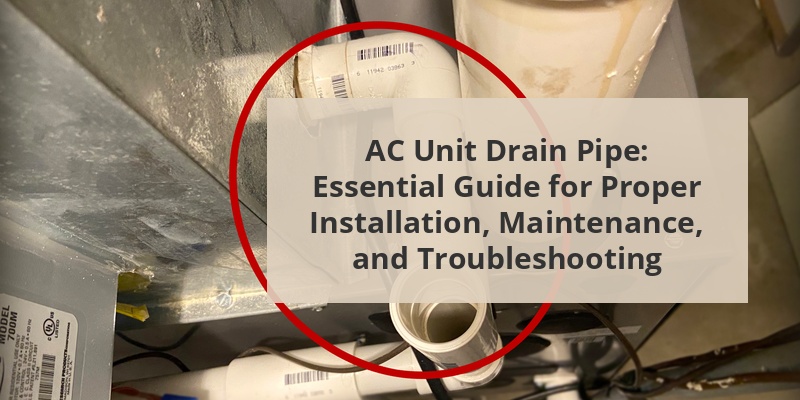
Air conditioning systems play a vital role in American homes, especially during the summer heat. The AC unit drain pipe is a crucial but often overlooked component. It ensures moisture removed from the air is safely drained away, preventing water damage and maintaining efficiency. This comprehensive article covers how AC drain pipes work, optimal installation, maintenance tips, common problems, and expert troubleshooting insights for homeowners and HVAC professionals alike.
Content Navigation
- AC Unit Drain Pipe Overview
- How The AC Unit Drain Pipe Functions
- Types Of AC Unit Drain Pipes
- Proper AC Unit Drain Pipe Installation
- Common AC Unit Drain Pipe Issues
- Signs That Your AC Unit Drain Pipe May Be Blocked
- How To Clean And Maintain Your AC Unit Drain Pipe
- DIY Vs. Professional Drain Pipe Service
- How To Prevent Future AC Unit Drain Pipe Problems
- AC Unit Drain Pipe Installation Code And Safety
- Replacement Costs And Materials For AC Unit Drain Pipes
- Innovative Solutions For Persistent AC Drain Pipe Issues
- Frequently Asked Questions About AC Unit Drain Pipes
- Key Takeaways For Homeowners And Professionals
AC Unit Drain Pipe Overview
| Aspect | Details |
|---|---|
| Purpose | Removes condensate water from the AC evaporator coil |
| Typical Material | PVC, CPVC, or flexible vinyl tubing |
| Common Size | 3/4 inch diameter |
| Location | Usually routed from indoor handler to outdoors or a floor drain |
| Key Problem | Clogs from debris, algae, or improper slope |
| Prevention | Regular inspection and cleaning |
How The AC Unit Drain Pipe Functions
The drain pipe collects and diverts condensation produced by the air conditioner’s evaporator coil during cooling cycles. As warm air passes over the coil, moisture condenses and drops into the condensate pan. The drain pipe then transports this water safely outside or to an appropriate drain, protecting your home from leaks and water damage.
Without an effective drain pipe, excess water can overflow, potentially causing mold growth, ceiling stains, or electrical issues. Ensuring a properly working drain pipe is essential for both system efficiency and home safety.
Types Of AC Unit Drain Pipes
Several materials are used for drain pipes, each with its advantages:
- PVC (Polyvinyl Chloride): The most common choice for its durability, low cost, and resistance to corrosion and algae growth.
- CPVC (Chlorinated Polyvinyl Chloride): Offers higher temperature resistance, useful near heat sources.
- Flexible Vinyl Tubing: Popular for tight spaces or temporary setups but more prone to kinks.
- ABS (Acrylonitrile Butadiene Styrene): Sturdy and chemical resistant, but less common in residential settings.
Choosing the right material ensures effective drainage and longevity of the AC unit system.
Proper AC Unit Drain Pipe Installation
Essential Steps For Drain Pipe Installation
- Use at least 3/4 inch diameter piping to facilitate proper water flow.
- Ensure a continuous downward slope (minimum 1/8″ per foot) from the condensate pan to the external drain point.
- Secure all pipe joints with suitable solvent cement or approved clamps.
- Install a trap (U-shaped bend) to prevent conditioned air from escaping and reduce odors.
- Position the drain outlet away from the AC unit foundation and walkways.
Professional installation is recommended for complex systems or where local codes dictate specific requirements.
Call 888-896-7031 for Free Local HVAC Quotes – Compare and Save Today!
Primary Vs. Secondary Drain Lines
- Primary Drain Line: The main route for condensation, usually runs to an outside location or into a plumbing drain.
- Secondary Drain (Emergency) Line: Acts as a backup in case the primary line clogs, often directing water to a visible location as an alert.
Always include a secondary drain where local code or manufacturer recommendations apply—especially in homes with AC units in attics or above living spaces.
Common AC Unit Drain Pipe Issues
Drain Pipe Clogs
Clogged drain pipes are the most frequent AC water issue faced by homeowners. Common causes include:
- Dirt, dust, and insulation particles
- Algae and mold growth inside pipes
- Improperly sloped lines leading to standing water
Symptoms of a clogged drain pipe can include AC shutting off unexpectedly, wet ceilings, water pooling around the indoor unit, or musty odors.
Water Leaks And Damage
If drain lines clog or disconnect, water can accumulate and overflow the condensate pan. This can cause drywall stains, ruined insulation, and in severe cases, electrical short-circuits.
Air Leaks And Inefficiency
Gaps or cracks in the drain pipe may allow cooled air to escape, making the AC unit work harder and increasing energy bills. Leaks can also pull in outside air and humidity.
Mold And Algae Growth
Standing water inside the pipe or pan fosters algae and mold growth, eventually blocking water flow and reducing air quality. Regular monitoring is critical for prevention.
Call 888-896-7031 for Free Local HVAC Quotes – Compare and Save Today!
Signs That Your AC Unit Drain Pipe May Be Blocked
Early identification of a blocked drain pipe can prevent costly repairs. Key signs include:
- Water stains or active leaks near the AC unit or ceiling
- Musty or moldy smells emanating from vents
- AC system shutting down intermittently
- Visible water in the condensate pan or around the air handler
- Water dripping from the emergency drain line (usually a pipe near a window or soffit)
These issues are warning signs that the drain system needs immediate attention.
How To Clean And Maintain Your AC Unit Drain Pipe
Routine Maintenance Procedures
Preventive maintenance helps preserve AC efficiency and avoids unexpected shutdowns. Here are essential maintenance steps:
- Turn off power to the AC unit before any work.
- Locate the end of the drain pipe outside or at the floor drain.
- Inspect for visible blockages or standing water.
- Use a wet-dry vacuum to suction debris from the pipe outlet.
- Flush the line with a cup of vinegar or a specialized AC drain cleaner (never use bleach if the drain connects to a septic system).
- Repeat twice yearly—ideally at the start and end of each cooling season.
Preventive cleaning is the best defense against costly clogs and water damage.
Using Algaecide Tablets Or Cleaners
Special tablets or fluids designed for condensate pans help prevent algae growth. Place one in the pan every few months as directed. Seriously clogged lines may require professional cleaning using compressed air or plumbing snakes.
DIY Vs. Professional Drain Pipe Service
Many homeowners perform basic drain line maintenance themselves; however, certain situations require professional expertise:
- Recurring clogs that persist after DIY cleaning
- Visible damage or disconnected pipes
- Mold or severe water damage present
- Compliance with local building codes for extensive repairs
Professional HVAC technicians use advanced diagnostics and cleaning equipment—ensuring thorough service and restoration of full system function.
How To Prevent Future AC Unit Drain Pipe Problems
- Schedule regular AC maintenance with a licensed technician each year
- Install a float switch or water sensor in the condensate pan to automatically shut off the unit if flooding is detected
- Use PVC pipe where possible for improved durability and fewer joint issues
- Keep the area around your AC unit clear of insulation debris or dust
- Check and maintain the proper slope of the drain line routinely
AC Unit Drain Pipe Installation Code And Safety
Local plumbing and building codes may dictate specific installation methods for condensate drain pipes. Key code-related considerations include:
- Appropriate sizing for the volume of condensate expected
- Proper support and securing of pipe runs
- Use of traps and cleanouts for easy maintenance
- Secondary (emergency) drain lines required for AC units above finished ceilings
- Separation from sanitary drainage where needed
Always consult local code or an HVAC professional before making major drain pipe modifications.
Replacement Costs And Materials For AC Unit Drain Pipes
Average costs for AC drain pipe replacement in the United States can range as follows, depending on job complexity and materials:
| Component | Material | Typical Cost Range |
|---|---|---|
| Standard PVC Drain Line (up to 10 feet) | PVC (3/4″) | $50 – $150 (DIY), $150 – $400 (pro install) |
| Flexible Vinyl Tubing | Vinyl | $30 – $80 (DIY), $100 – $200 (pro install) |
| Emergency Drain Pan | Coated Steel or Plastic | $20 – $100 |
| Float Switch (Water Sensor) | Plastic/Electronic | $30 – $150 (installed) |
Complex attic setups or repairs behind finished drywall may add to labor costs. Regular maintenance minimizes the risk of full replacement.
Innovative Solutions For Persistent AC Drain Pipe Issues
For homes with chronic drain line blockages or where access is difficult, consider:
- Installing clear PVC sections for easy visual inspection
- Using antimicrobial drain line coatings
- Implementing WiFi-connected water leak detectors for early warning
- Upgrading to high-efficiency condensate pumps where gravity drainage is inadequate
These modern solutions provide peace of mind and enhanced protection from unexpected water damage and system shutdowns.
Frequently Asked Questions About AC Unit Drain Pipes
- Where should my AC drain pipe go? It is best routed to the outdoors or a local floor drain, away from foundations and walkways.
- Can I use bleach to clean my AC drain line? Only do so if the pipe does not connect to a septic system. Otherwise, use vinegar or commercial cleaners.
- How often should AC drain lines be cleaned? Twice a year is recommended; increase frequency if your home is prone to dust or pet hair accumulation.
- Is standing water in the condensate pan normal? A small amount is okay during operation, but it should always drain entirely when the system shuts off.
- Why does my AC keep turning off with water in the pan? This likely indicates a triggered float switch due to a clog—clean the line and pan immediately.
Staying proactive with maintenance protects your AC system and home investment.
Key Takeaways For Homeowners And Professionals
- AC unit drain pipes are essential for moisture management and system efficiency.
- Use sturdy, correctly sized PVC for best results.
- Regular inspection, cleaning, and proper installation prevent costly leaks and repairs.
- Call a professional if you notice persistent clogs, water leaks, or mold growth.
Consistent care of your AC unit’s drain pipe system ensures reliable cooling and long-term protection for your home.
Tips for Getting the Best HVAC Prices
- Prioritize Quality Over Cost
The most critical factor in any HVAC project is the quality of the installation. Don’t compromise on contractor expertise just to save money. - Check for Rebates
Always research current rebates and incentives — they can significantly reduce your overall cost. - Compare Multiple Quotes
Request at least three estimates before making your choice. You can click here to get three free quotes from local professionals. These quotes include available rebates and tax credits and automatically exclude unqualified contractors. - Negotiate Smartly
Once you've chosen a contractor, use the proven strategies from our guide — How Homeowners Can Negotiate with HVAC Dealers — to get the best possible final price.