
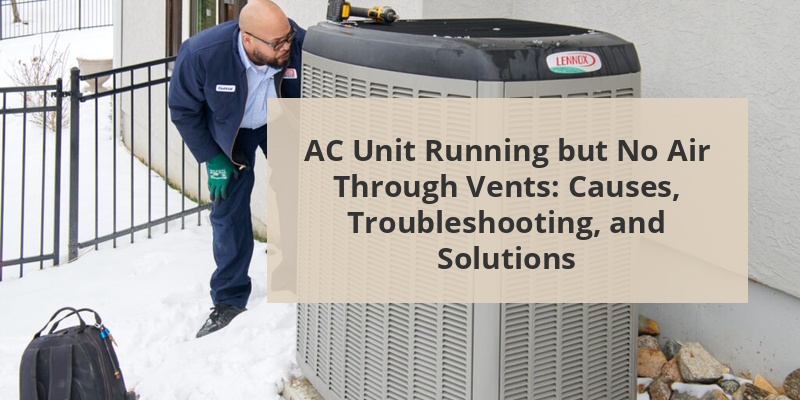
When your AC unit is running but not blowing air through the vents, it can quickly turn from an inconvenience to a major comfort issue, especially during hot American summers. This guide explores the leading causes, provides expert troubleshooting steps, and outlines effective solutions for homeowners and renters. Whether you’re seeking DIY fixes or guidance for when to call a professional, this comprehensive article is designed to restore your home’s cooling system and peace of mind.
Content Navigation
- Common Reasons Your AC Is Running But No Air Is Coming Through Vents
- How Your Central Air Conditioning System Works
- Step-By-Step Troubleshooting: Why No Air Is Coming Out Of Vents
- When Should You Call A Professional HVAC Technician?
- Preventive Maintenance For Consistent Airflow
- Dealing With Room-Specific Or Zoned Airflow Problems
- Window And Portable AC Unit Issues: No Air Coming Out
- Energy Efficiency And Airflow: Why Maintenance Matters
- Frequently Asked Questions About AC Units Running But No Airflow
- What To Expect From A Professional HVAC Service Call
- Modern AC Systems: How Smart Thermostats And Zoning Affect Airflow
- How To Keep Your AC Airflow Strong All Season
- Resources For Further Reading
Common Reasons Your AC Is Running But No Air Is Coming Through Vents
It’s surprisingly common for an AC unit to be operating yet fail to deliver cool air through your vents. Below are frequent culprits behind this issue:
- Clogged air filters restricting airflow
- Blocked or closed supply/return vents
- Blower fan malfunction or motor failure
- Thermostat issues such as incorrect settings or faults
- Electrical or circuit problems interrupting system components
- Evaporator coil freezing or icing over
- Ductwork leaks, collapses, or disconnections
- Dirty or obstructed coils
Each of these scenarios can result in a situation where the outdoor or indoor AC unit is operational, yet little or no air is coming out of vents.
How Your Central Air Conditioning System Works
To better grasp why these problems occur, it helps to understand the key components of a residential central AC system:
| Component | Main Function |
|---|---|
| Thermostat | Signals unit to start or stop based on desired temperature |
| Air Handler/Blower | Pushes conditioned air through ductwork into rooms |
| Evaporator Coil | Cools and dehumidifies indoor air |
| Compressor & Condenser (Outdoor) | Releases absorbed heat outside the home |
| Ductwork | Carries cool air to and warm air away from living spaces |
| Air Filters | Trap dust and particulates to protect system and air quality |
Air must flow freely through this loop. Any blockage, malfunction, or disconnection interrupts delivery of cooled air.
Step-By-Step Troubleshooting: Why No Air Is Coming Out Of Vents
Check Your Thermostat
Surprisingly often, the culprit is your thermostat settings or battery. Confirm that the thermostat is set to “cool,” the temperature setting is lower than the current room temperature, and the fan is on “auto” or “on.” If the display is blank, replace batteries and re-test.
Call 888-896-7031 for Free Local HVAC Quotes – Compare and Save Today!
Inspect Air Filters
Dirty filters are a primary reason for reduced or blocked airflow. Locate your system’s air filter (often behind a grill in your wall, ceiling, or in the air handler itself). If it appears gray, dusty, or clogged, replace it with a correctly sized new filter. This alone may restore normal airflow.
Examine All Vents
Walk through each room and ensure no supply or return grilles are blocked or shut by furniture, dust, or decor. Open any closed vents fully. Clean away visible dust or debris from vent grates with a vacuum or soft brush.
Check For Frozen Evaporator Coils
If you find ice buildup on indoor components or the refrigerant line, your evaporator coil may be frozen—causing little or no airflow. This can be caused by low refrigerant, dirty coils, or extended fan usage. Turn off your system, allow it to thaw fully (which could take hours), then restart and check function. Persistent freezing signals the need for a professional inspection.
Blower Fan And Motor Issues
If your AC is running but the blower is silent, the fan motor, belt, or relay may have failed. Find your air handler and listen for fan operation. Lack of noise or vibration suggests blower problems. Replacing a motor or capacitor is a job best left to a certified HVAC technician.
Ductwork Damage Or Leaks
Duct deterioration can sharply reduce or eliminate airflow. Crawlspace or attic ducts may become disconnected, crushed, or torn—partly or fully blocking delivery of cool air to certain rooms. Inspect accessible ducts for gaps, kinks, or excessive dust. Significant issues require professional repair or sealing.
Electrical And Circuit Issues
If only part of your system comes on—for example, you hear the outdoor unit but not the blower indoors—electrical faults or tripped breakers may be to blame. Check your breaker box for tripped HVAC breakers and reset if needed. Persistent problems point to wiring or part failures needing expert attention.
Call 888-896-7031 for Free Local HVAC Quotes – Compare and Save Today!
When Should You Call A Professional HVAC Technician?
While some airflow issues are easy to remedy, professional repair is needed for complex, electrical, or persistent problems. Call an HVAC pro for:
- Repeated air handler or blower failure
- Severe freezing or leaks at the evaporator coil
- Damaged, collapsed, or inaccessible ductwork
- AC unit makes strange noises, emits unusual odors, or trips breakers
- Electrical issues (non-running motors, failed capacitors)
Attempting to repair high-voltage components, refrigerant lines, or sealed parts yourself can be hazardous and void equipment warranty.
Preventive Maintenance For Consistent Airflow
The most effective way to avoid future airflow problems in your AC system is with a robust maintenance routine:
- Replace or clean air filters monthly during heavy AC use
- Keep vents and return grilles open and unobstructed
- Schedule professional duct inspection every 2-3 years
- Clear debris from around outdoor condenser coils and unit
- Book an annual professional AC tune-up every spring
These steps dramatically reduce the risk of system breakdowns while also improving indoor air quality and efficiency.
Dealing With Room-Specific Or Zoned Airflow Problems
Sometimes, lack of airflow is isolated to one room or zone. In these cases, investigate the following:
- Is the vent grill fully open in the affected room?
- Could furniture or rugs be blocking vents or returns?
- Does the duct run to that room show signs of collapse or leaks?
- If the room is far from the air handler, are ducts sized appropriately?
- For zoned systems, are the zone dampers working and properly set?
If none of these steps restore airflow, consult an HVAC professional for further diagnosis.
Window And Portable AC Unit Issues: No Air Coming Out
This problem is not limited to central air conditioners. Window AC and portable units can also run with little or no air output. In these cases, check:
- Filter screens for dust or obstructions
- Fan impellers for accumulation of debris
- Ice forming on the cold coils or internal components
- Blocked or restricted exhaust ports (portable units)
- Proper fit and seal of window units in their frames
Most often, cleaning or changing the filter will restore normal air delivery. Mechanical failures like burned-out motors will require repair or replacement.
Energy Efficiency And Airflow: Why Maintenance Matters
A well-maintained AC system not only ensures consistent comfort, but also operates at lower energy cost. Dirty filters or blocked airways force your AC to work harder, shortening its lifespan and raising electricity bills. Scheduling routine maintenance each year just before cooling season is a smart investment that pays off in reliable performance and lower operating expenses.
Frequently Asked Questions About AC Units Running But No Airflow
Why Is My AC Working But No Air Coming Out?
The most common causes include clogged air filters, thermostat or blower issues, closed or blocked vents, frozen coils, or problems inside ductwork. Start your diagnosis with easy-to-check issues, and move to more technical ones if necessary.
Should I Turn Off My AC If No Air Comes Through Vents?
If you suspect freezing, immediately turn off the AC to avoid damaging internal parts. For electrical or blower issues, switch off the breaker for safety. After resolving the problem or thawing, restart and closely monitor performance.
Does A Dirty Filter Really Stop Airflow That Much?
Yes—restricted airflow from a dirty filter can rapidly cause coil freezing or even system shutdown. Replacing your filter is an inexpensive fix that can solve many performance problems instantly.
How Can I Tell If My Blower Motor Is Bad?
If you hear the outdoor AC running but no air comes from indoor vents and the air handler is unusually quiet, the blower motor may have failed. Burning smells, humming but no operation, or tripped breakers are strong clues.
What To Expect From A Professional HVAC Service Call
During a service visit for this issue, technicians will typically do the following:
- Test thermostat and electrical signals
- Visually inspect filters, vents, and coils
- Measure airflow at different points in the system
- Check blower motor, capacitors, and relays
- Inspect ductwork for damage or leaks
- Assess refrigerant pressures and for possible icing
Technicians often resolve common problems on the spot, but major repairs may require ordering parts or scheduling further work.
Modern AC Systems: How Smart Thermostats And Zoning Affect Airflow
Many American homes are upgrading to smart thermostats and advanced zoning controls. These features increase comfort but can introduce new variables to airflow:
- Improperly programmed smart thermostats may pause air circulation unintentionally
- Failed electronic dampers in zoned systems can close off vents in certain areas
- Network or sensor errors may prevent the AC from running as intended
For these systems, check manufacturer apps and manuals, and consider professional support for complex issues.
How To Keep Your AC Airflow Strong All Season
Promoting lasting air delivery requires a blend of routine homeowner care and expert servicing. Follow these best practices:
- Replace filters often—every 1-2 months in peak season
- Keep vents open and clear throughout the home
- Listen for unusual noises or observe drops in cooling performance
- Arrange annual professional inspections
With attention to these key maintenance steps, you’ll minimize the risk of your AC running without delivering cool air to the spaces where you need it most.
Tips for Getting the Best HVAC Prices
- Prioritize Quality Over Cost
The most critical factor in any HVAC project is the quality of the installation. Don’t compromise on contractor expertise just to save money. - Check for Rebates
Always research current rebates and incentives — they can significantly reduce your overall cost. - Compare Multiple Quotes
Request at least three estimates before making your choice. You can click here to get three free quotes from local professionals. These quotes include available rebates and tax credits and automatically exclude unqualified contractors. - Negotiate Smartly
Once you've chosen a contractor, use the proven strategies from our guide — How Homeowners Can Negotiate with HVAC Dealers — to get the best possible final price.