

When you notice water dripping or pooling around your air filter, it’s a sign that something isn’t functioning properly in your HVAC system. This common problem affects many homeowners and can lead to significant damage if left unaddressed. An air filter leaking water typically indicates issues with condensation, drainage systems, or component malfunctions. Understanding the causes behind this issue is crucial for implementing the right solutions and preventing potentially costly water damage, mold growth, or system failures.
When water appears around your air filter, several underlying issues could be responsible. Identifying the specific cause is essential for proper repairs and preventing further damage to your HVAC system.
Content Navigation
Condensation Problems
Air conditioners naturally produce condensation as they cool warm air. This moisture normally drains away through a dedicated system. When the temperature around your air handler drops below the dew point, excessive condensation can form on the air filter and surrounding components, leading to water accumulation and eventual leakage.
Clogged Drain Lines
Your HVAC system includes a condensate drain line designed to carry away water produced during operation. Over time, these lines can become clogged with dirt, algae, mold, or debris, preventing proper drainage and causing water to back up and leak through or around the air filter. This is among the most common causes of water leakage problems.
Frozen Evaporator Coils
When evaporator coils freeze due to restricted airflow, refrigerant issues, or extremely low thermostat settings, the ice eventually melts and can create excess water that overwhelms the drainage system. A dirty air filter often contributes to this freezing problem by restricting airflow across the coils.
Damaged Components
Cracked drain pans, damaged seals, or disconnected drain lines can all lead to water leaking around the air filter area. These physical defects allow water to escape from its intended path and collect in undesirable locations, often appearing as if the air filter itself is leaking.
Potential Damage from Water Leaking Issues
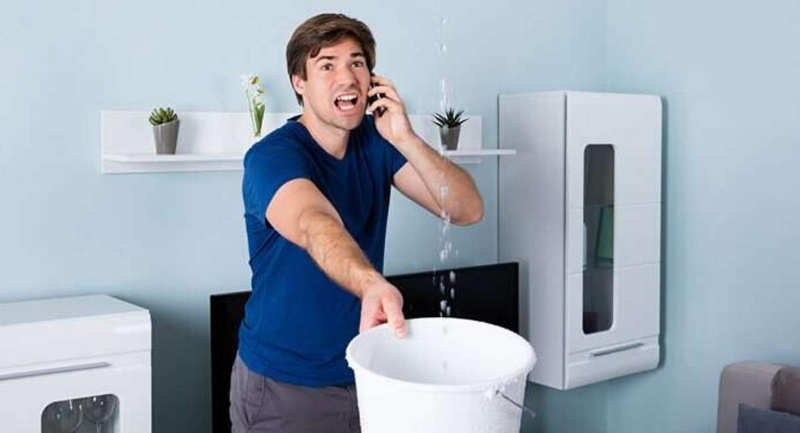
Water leaking from an air filter may seem minor initially, but can lead to significant problems if not addressed promptly. Understanding these potential consequences helps emphasize the importance of timely repairs.
- Structural damage to ceilings, walls, and flooring near the HVAC system
- Mold and mildew growth, which can spread through ductwork and affect indoor air quality
- Electrical hazards when water comes into contact with wiring or electrical components
- Reduced system efficiency and higher energy bills
- Premature system failure requiring costly replacements
Types of Air Filters and Their Susceptibility to Leaks
Different types of air filters and systems have varying levels of susceptibility to water leakage issues. Understanding your specific system helps in diagnosing and preventing problems.
Call 888-896-7031 for Free Local HVAC Quotes – Compare and Save Today!
| System Type | Leak Susceptibility | Common Leak Causes |
|---|---|---|
| Central HVAC Systems | High | Condensate drain issues, frozen coils, improper installation |
| Window AC Units | Medium | Improper tilt, clogged drains, seal failures |
| Portable Air Conditioners | Low-Medium | Internal drain pan issues, condensate pump failures |
| Heat Pump Systems | High | Defrost cycle issues, drain problems, coil freezing |
| Mini-Split Systems | Medium | Condensate line blockages, improper installation angles |
How to Diagnose Water Leaking Issues
Proper diagnosis is crucial before attempting any repairs. Follow these steps to identify the source of water leaking around your air filter:
Visual Inspection Methods
- Turn off your HVAC system completely before inspection
- Remove the air filter and check for water accumulation or moisture
- Inspect the drain pan beneath the evaporator coil for standing water
- Check condensate drain lines for visible clogs or damage
- Look for ice formation on evaporator coils (if accessible)
- Examine surrounding components for cracks or damage
Signs and Symptoms of Leaks
Several indicators can help confirm water leakage problems beyond just visible water. Look for water stains on ceilings or walls near your HVAC equipment. Unusual musty odors often indicate hidden moisture problems. Reduced cooling efficiency or system short-cycling can also suggest issues with frozen coils that later melt and cause leaks.
DIY Solutions for Air Filter Water Leaks
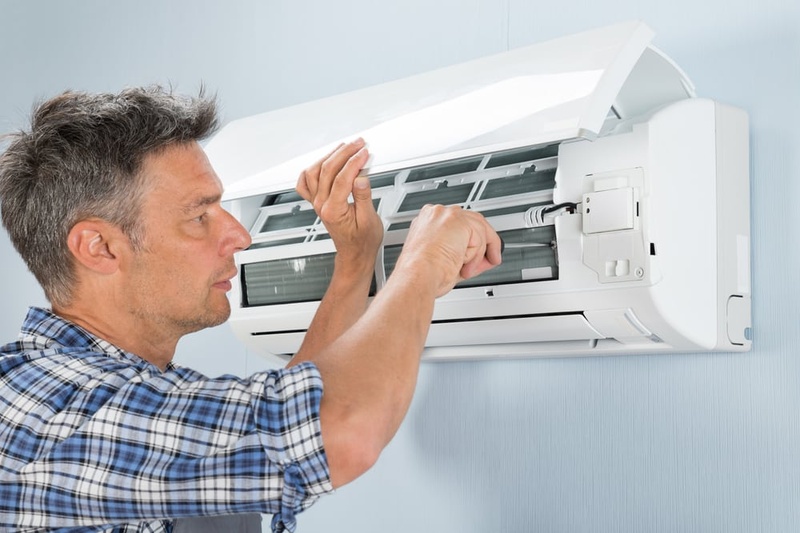
Many common water leak issues can be resolved without professional help. These DIY solutions address the most frequent causes of water leaking from air filters.
Cleaning Drain Lines
Clogged drain lines are often responsible for water backup and leakage. To clean them:
- Locate the access point to your condensate drain line (typically a T-shaped vent with a cap)
- Turn off your HVAC system
- Remove the cap and pour in 1 cup of white vinegar or 1/4 cup of bleach mixed with water
- Allow the solution to sit for 30 minutes to dissolve buildup
- Flush with clean water
- For stubborn clogs, use a wet/dry vacuum at the outdoor drain line exit point
Addressing Condensation Problems
Excessive condensation often results from improper insulation or air leaks around your system. Ensure all ductwork is properly sealed and insulated, especially in humid areas like attics or crawlspaces. Adjust your fan settings to continue running briefly after the cooling cycle ends to help dry remaining condensation.
Replacing Damaged Components
If inspection reveals cracked drain pans or damaged seals, replacement may be necessary. For accessible components, DIY replacement is possible:
Call 888-896-7031 for Free Local HVAC Quotes – Compare and Save Today!
- Purchase the correct replacement part for your specific model
- Turn off power to the unit at the breaker
- Follow manufacturer instructions for accessing and replacing components
- Ensure proper installation and sealing of new parts
- Test the system with careful monitoring after repairs
When to Call a Professional
While many water leakage issues can be addressed by homeowners, certain situations warrant professional intervention to prevent further damage or safety hazards.
Professional Service Cost Comparison
| Service Type | Average Cost Range | What’s Included |
|---|---|---|
| Diagnostic Visit | $75-$150 | Inspection, problem identification, basic recommendations |
| Drain Line Clearing (Professional) | $100-$250 | Thorough drain cleaning, system check, minor adjustments |
| Drain Pan Replacement | $250-$500 | Parts, labor, testing |
| Condensate Pump Replacement | $150-$350 | New pump, installation, testing |
| Major Component Repair | $400-$1,200+ | Complex repairs, multiple part replacements, full system check |
Serious Leak Indicators
Call a professional immediately if you observe any of these warning signs that indicate more serious problems:
- Water leaking near electrical components
- Persistent leaking after DIY attempts at resolution
- Signs of mold growth inside the system or ductwork
- Unusual sounds (gurgling, hissing) from the drain system
- Multiple components showing damage or corrosion
- Significant water volume (more than a few drops)
Prevention Strategies

Preventing water leakage problems is far easier and less costly than addressing them after damage occurs. Implement these preventive measures to minimize the risk of future issues.
Regular Maintenance Schedule
Proactive maintenance significantly reduces the likelihood of water leaks. Change air filters every 1-3 months depending on usage and filter type. Schedule professional HVAC maintenance annually, ideally before peak cooling season. Clean visible portions of condensate lines quarterly with vinegar to prevent buildup.
Environmental Controls
Managing your home’s humidity levels can prevent excessive condensation. Maintain indoor humidity between 30-50% using dehumidifiers if necessary. Ensure adequate ventilation in areas where HVAC equipment is located. Address any water intrusion issues in your home promptly, as general moisture problems can contribute to HVAC condensation issues.
Installation Best Practices
If replacing your system or components, proper installation is crucial for preventing leaks. Ensure your HVAC system is correctly sized for your home – oversized units cycle frequently and create excess condensation. Verify that condensate drains have the proper slope (minimum 1/4 inch per foot) for effective drainage. Install secondary drain pans and overflow switches in attic installations to catch leaks before they cause damage.
Tips for Getting the Best HVAC Prices
- Prioritize Quality Over Cost
The most critical factor in any HVAC project is the quality of the installation. Don’t compromise on contractor expertise just to save money. - Check for Rebates
Always research current rebates and incentives — they can significantly reduce your overall cost. - Compare Multiple Quotes
Request at least three estimates before making your choice. You can click here to get three free quotes from local professionals. These quotes include available rebates and tax credits and automatically exclude unqualified contractors. - Negotiate Smartly
Once you've chosen a contractor, use the proven strategies from our guide — How Homeowners Can Negotiate with HVAC Dealers — to get the best possible final price.